
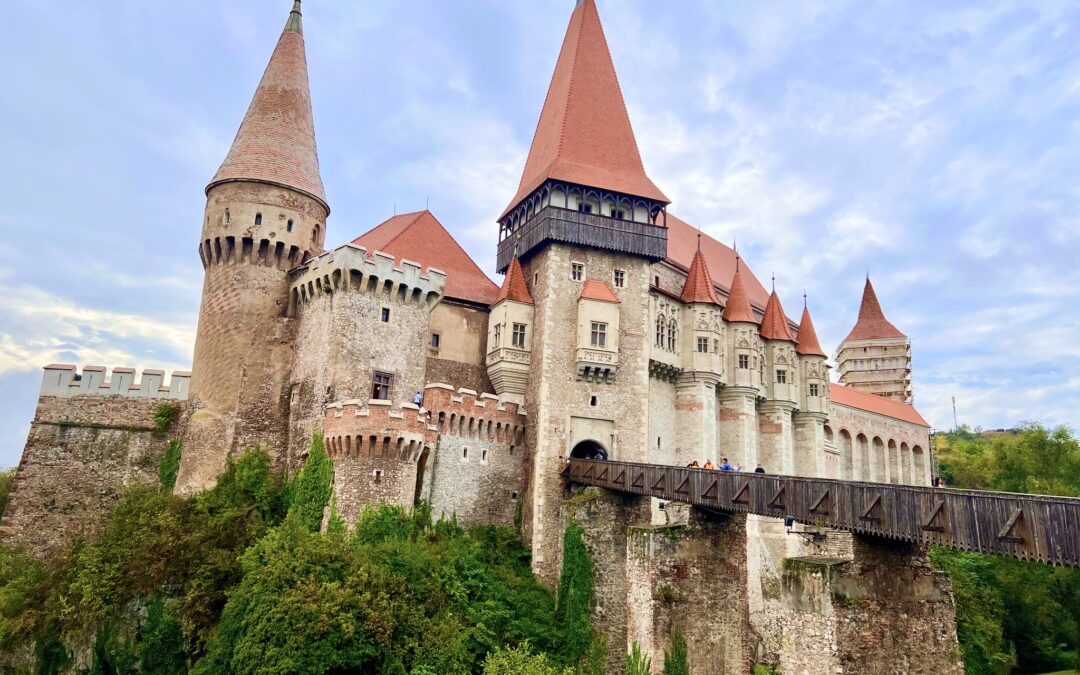
It all started in May 1897, when the English novelist Bram Stoker published his gothic novel Dracula. Since then, more than a thousand novels and 200 films surfaced about the infamous Count vampire of Transylvania.
As you read this, I bet you’re thinking of at least two or three films you’ve seen about Dracula.
The most famous vampire of all
However, before delving into detail, I would like to emphasise the importance of effective storytelling. Dracula is a classic, a masterpiece, a story that stood the test of time, and yet, it’s just a story. Take it from someone born and raised in Transylvania: there are no vampires.
However, Bram Stoker put Transylvania on the map. Not everyone knows where Romania is, and that’s due to its entangled history. But when you mention Transylvania, everyone thinks of Dracula. The infamous count from Eastern Europe, known for its lavish parties, unorthodox way of life and, of course, possibly for its supernatural attributes.
Have I got your attention? Then let’s discuss some details.
For those of you who haven’t read the book, the plot consists of journal entries belonging to Jonathan Harker. Jonathan is a London lawyer who takes a business trip to Transylvania to meet the count. While travelling, Jonathan documents his journey and keeps in touch with his wife, Mina Harker. Gradually, their friends, Dr Van Helsing, Dr Seward, and Lucy Westenra, are introduced in the story through their correspondence with the main characters.
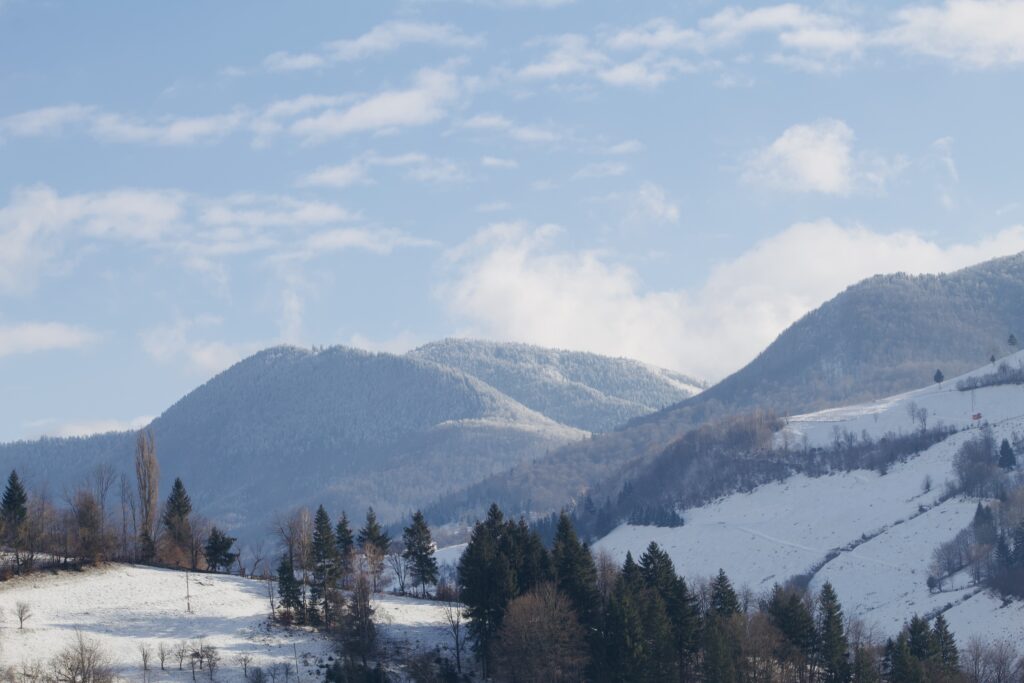
The author never set foot in Transylvania
Bram Stoker never visited Transylvania, yet wrote a story in excellent detail. The novel stays relevant to this day because, in terms of topographic accuracy. You can closely follow Jonathan Harker’s steps to Transylvania and find an actual castle that still stands and a legend still very much alive.
Although the author never visited Transylvania, he wrote a timeless novel based on stories he heard about the immortal monster. Stocker’s imagination knew no limits for someone who spent his life between Dublin (his birthplace) and London.
The landscape that inspired the legend
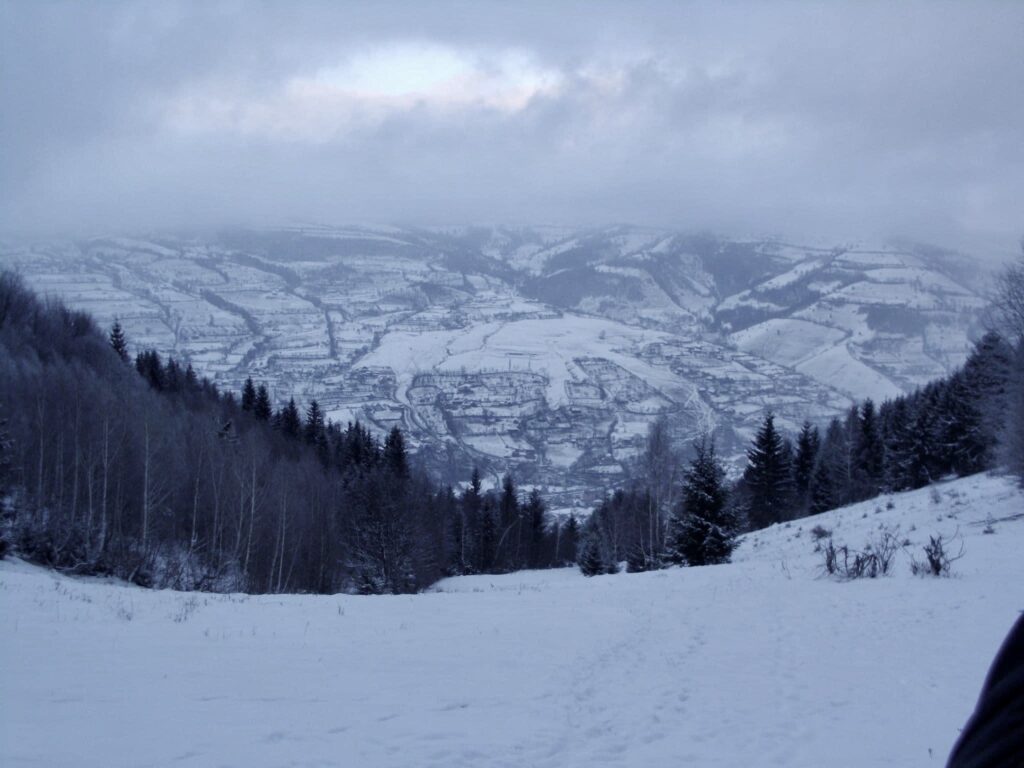
In the 19th century, Transylvania had dense forests and a large wolf population. At the time, hunting was a very usual activity among the locals; therefore, close encounters with the wolves. Wolves are one of the smartest wild animals; they live and hunt together and look after each other.
We must consider the mystical, supernatural beliefs of that time; werewolves, witches, and wizards, so just another mythical creature (the vampire) specific to this region made total sense.
People noticed the smart behaviour of the wolves. Hiding in the forests and attacking at certain times, and that’s the main reason why they started to believe there had to be more to it. Wolves are terrible predators; they move and hunt mostly at night, especially in areas populated by humans. So the myth of the undead, being afraid of the daylight and burning in the sun, was born.
Ovwer the years, the locals explored the forests of Transylvania. They came to understand that the horror stories were just stories. But the myths were already born and widely spread. That’s how Bram Stoker caught wind of the stories and legends.
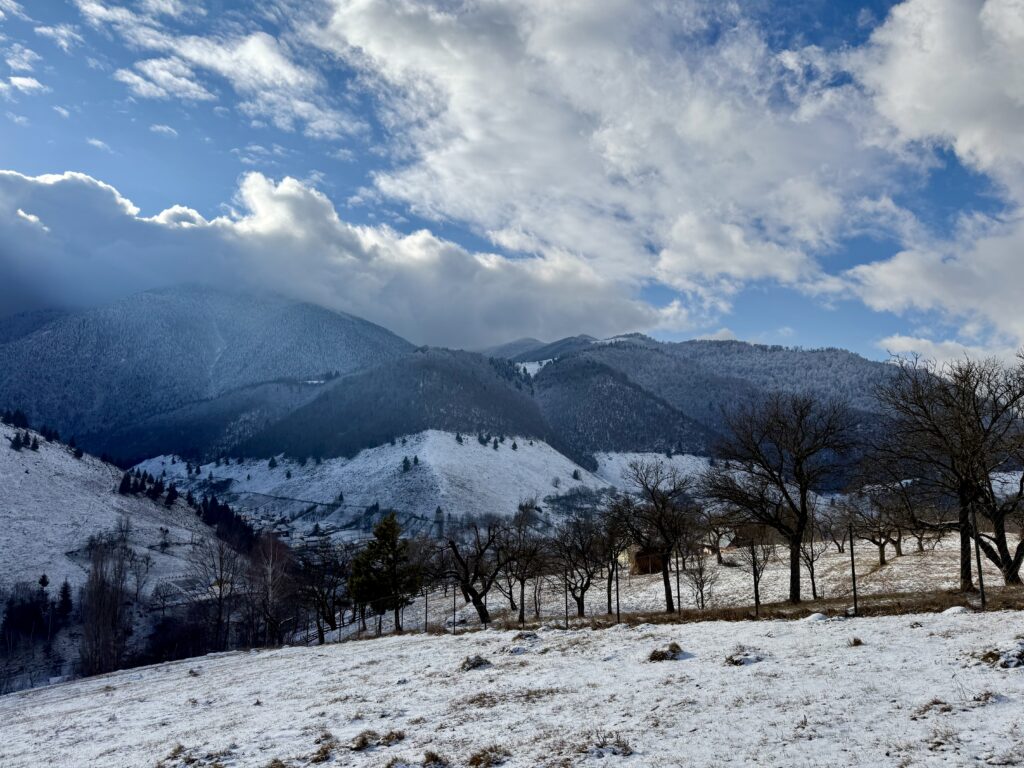
Transylvania is a land of castles
There are more than ten castles in Transylvania that claim to be Count Dracula’s genuine castle. Naturally, for tourism purposes, every castle in Transylvania claims to be Dracula’s Castle. If it were to follow Jonathan Harker’s journey, he travelled from London to Munich, Vienna, and then Budapest by train.
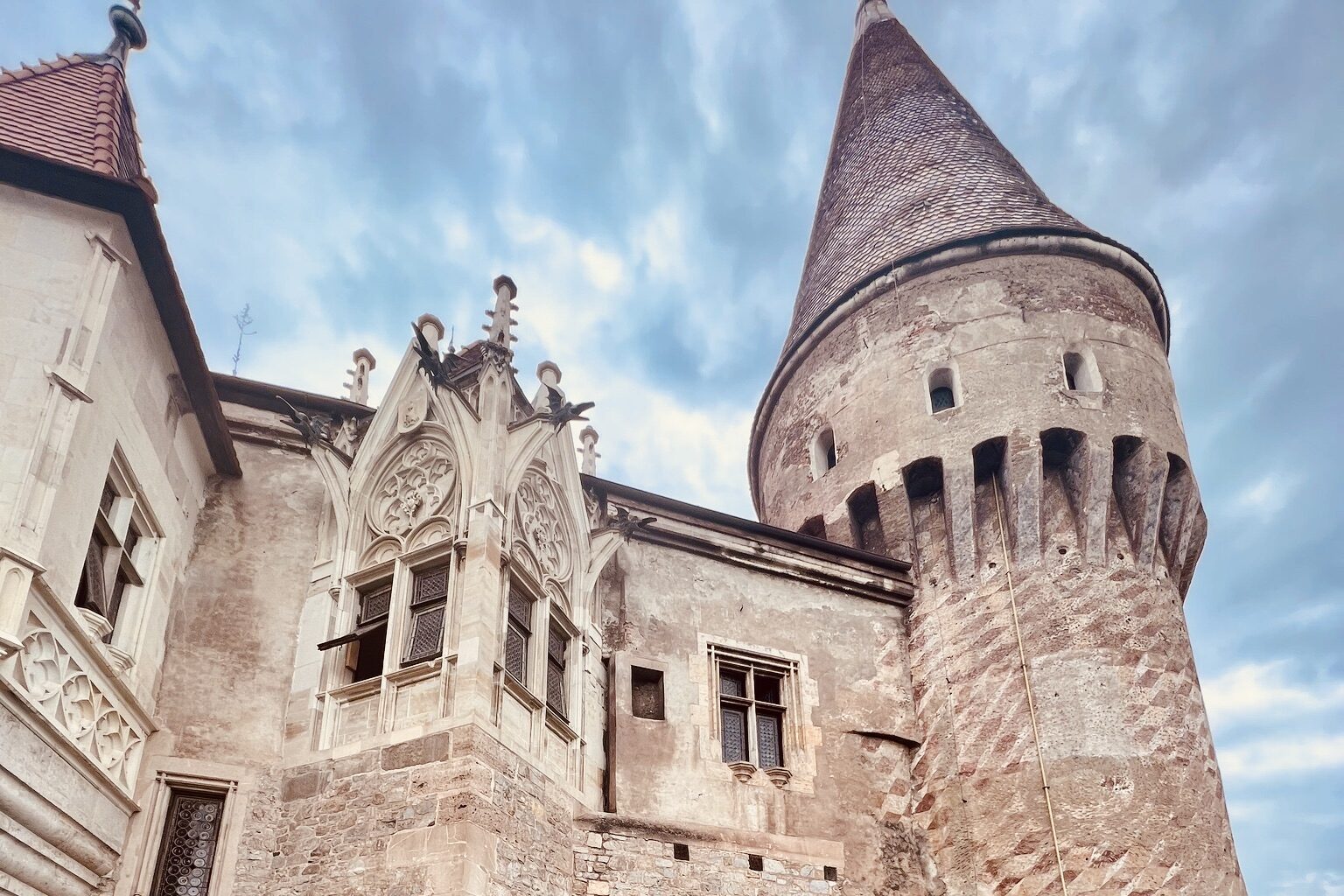
From Budapest, by train again, he headed about 200 miles East to a small town called Bistritz. In Bistritz Jonathan had to meet the Count. He couldn’t find the Count in Bistritz because his castle was outside the city walls, about 30 miles up in the mountains.
Nowadays, Transylvania has considerably fewer forests. However, if you head 30 miles East from Bistritz, you will find a welcoming hotel built like a castle with great entertainment when it comes to the legend.
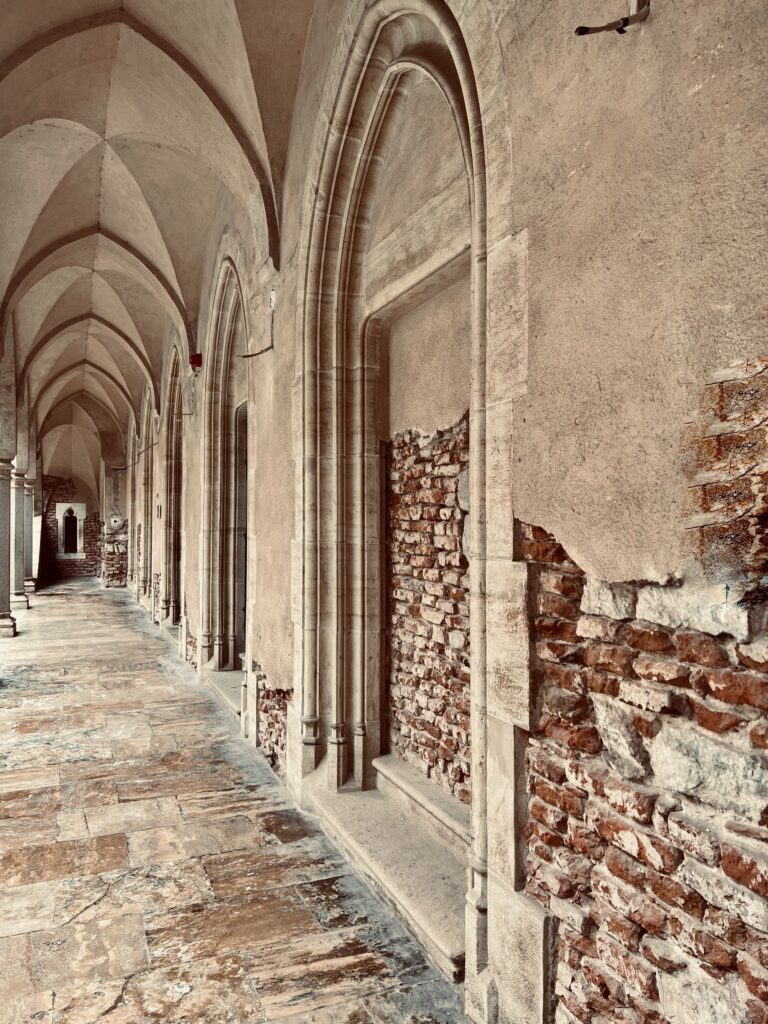
The Hotel Castel Dracula has 66 rooms and can host about 140 people. The journey from Bistritz to the castle is pretty scenic.
Was there a real Dracula?
There’s a very good chance the mysterious “Count Dracula” existed in real life. Except he wasn’t called Dracula (probably a local name), and he wasn’t a vampire, just a “humble” human being. He liked lavish parties with young girls, which raised suspicions about the rich’s lifestyle.
Rumour has it that the extravagant parties at the castle used to attract some other rich landlords from the country, who arrived accompanied by beautiful young ladies so that Count Dracula could pick his victims.
Jonathan Harker took a trip to Transylvania to meet Count Dracula and discover the truth about the undead. Bram Stoker did such a great job in his masterpiece. It’s hard to believe the book is fiction, and that’s why, upon its release, the novel had a worldwide success.
Count Dracula, as described in the novel, didn’t exist, but a wealthy landlord did.
Not to be mistaken with Vlad the Impaler, which brings me to the next point.
Who is Vlad the Impaler?
Vlad the Impaler is always associated with the famous vampire.
There is no historical connection between the two characters. Count Dracula is a fictional character created by Bram Stoker. Vlad the Impaler was a 15th-century prince born in Transylvania, also known as Vlad Dracula of Wallachia.
He got his name Dracu / Dracula, not because he was believed to be a vampire, but because of his terrible way of punishment. The death penalty during his ruling was impaling, which created panic among his people.
He had no mercy, but it is well known that he never sent an innocent person to death.
The wealthy landlord who owned the castle near Bistritz, and inspired the infamous character was never involved in politics.
Conclusion
To sum up, Bram Stoker created a brilliant, timeless novel without setting foot in Transylvania. The story is based on legends and stories about vampirism and Vlad the Impaler’s cruelty.
Furthermore, the wildness of Transylvania and the stories about some wealthy landlord and his lavish lifestyle only encouraged/stimulated the author’s imagination.
For a good understanding of this classic masterpiece, we need to consider the time when the novel saw the light of day.
A legend like Dracula became a bestseller at a time when people didn’t know much about Transylvania, also a time when the World didn’t have the internet to fact-check if the legend of a mysterious count was real or just a legend.
-
Madeira: The Extraordinary Island You Need to Explore
Discover the extraordinary islands of Madeira, rich in culture, history and natural beauty. Explore enchanting villages, dramatic landscapes and unforgettable experiences.
4 min read
-
The city of lights – What makes Paris notoriously famous?
Paris is so much more than just a capital city. Paris is a feeling, a state of mind, a symbol, a fenomenon so let’s see how it became…
4 min read
-

The Best Reasons Why You Should Consider Minimalism
Embracing Minimalism: A Pathway to Personal Well-Being, Environmental Sustainability, and Financial Freedom In recent years, many people have started to embrace minimalism as a way of living. Simply…
4 min read
-
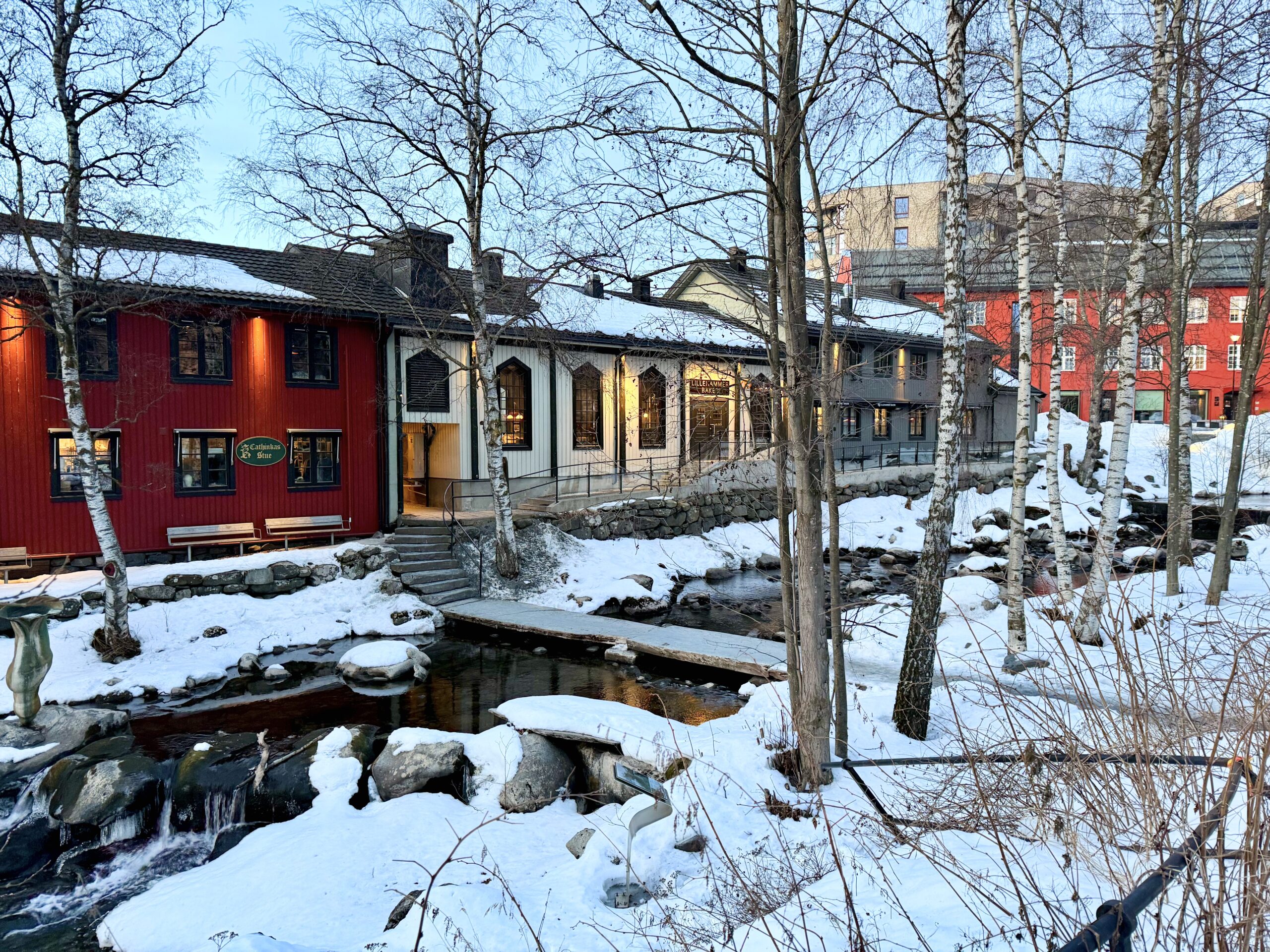
In the Land of Fjords – Discover Norway’s frozen beauty
“Only the one who wanders will find new paths” – Norwegian proverb Norway in winter feels like the world has chosen silence on purpose. Norway is often called the land of fjords, and for good reason. The cold doesn’t bite. It clarifies. Air turns sharp and honest, every breath a small awakening. Snow gathers softly […]
4 min read
-
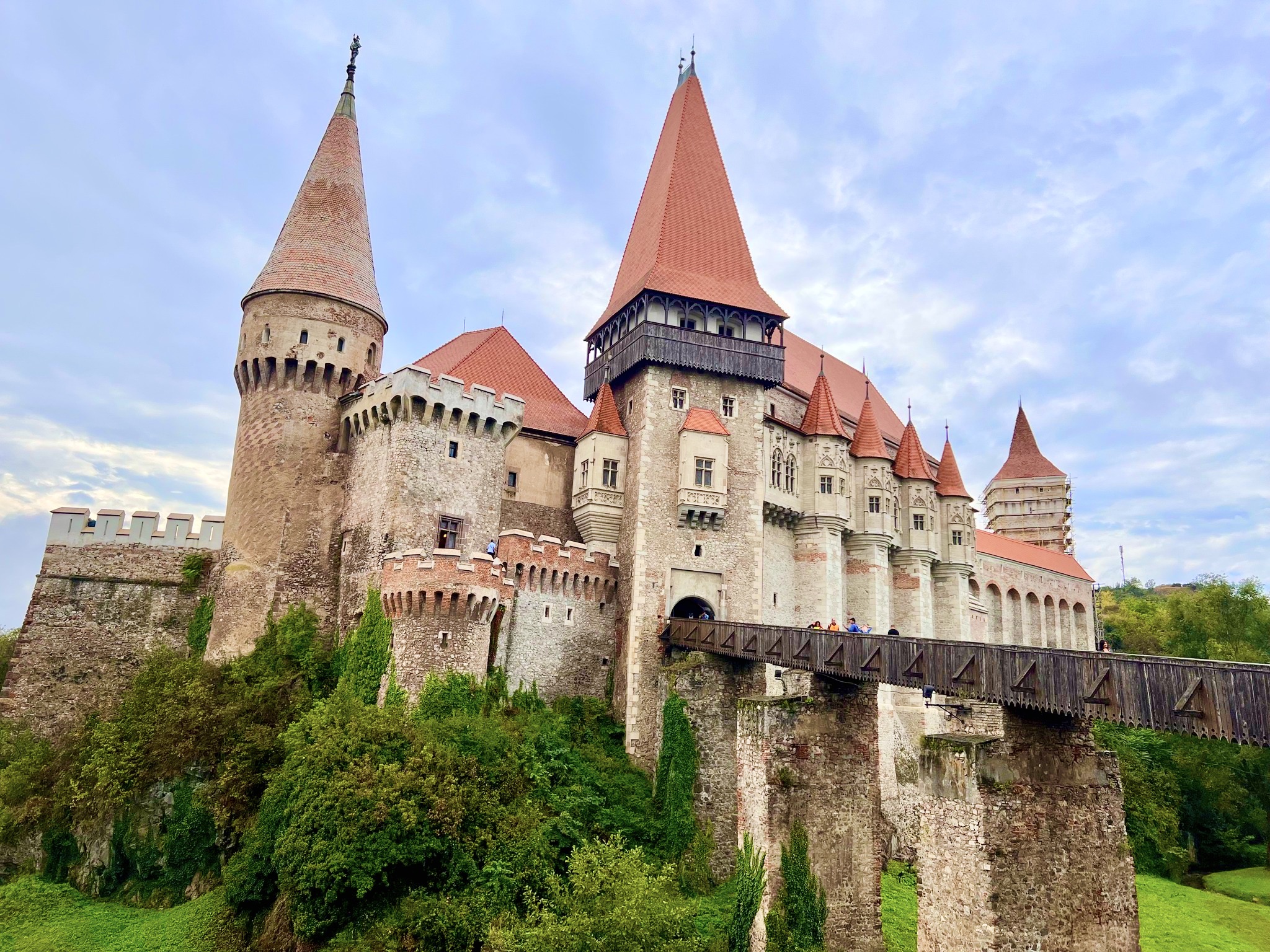
Dracula – how an english writer made Transylvania famous
Explore the legend of Dracula, the famous vampire of Transylvania, and uncover the secrets behind this iconic character
4 min read
-
![One hundred time-tested books [How many have you read?]](https://selfsoph.com/wp-content/uploads/2024/08/classic-book-scaled.jpeg)
One hundred time-tested books [How many have you read?]
Discover timeless wisdom with our collection of time-tested books. Dive into classic literature and explore the profound insights they offer.
4 min read