

Embracing Minimalism: A Pathway to Personal Well-Being, Environmental Sustainability, and Financial Freedom
In recent years, many people have started to embrace minimalism as a way of living. Simply put, minimalism means living with less. It’s not just about getting rid of things; it’s about choosing what truly matters in life. In our busy, often chaotic world, minimalism offers a refreshing perspective. It encourages us to focus on what brings us joy and fulfilment, rather than being weighed down by excess belongings.
Minimalism is relevant today because so many of us feel overwhelmed by the things we own. Our homes can become cluttered and chaotic, leading to stress and confusion. According to a study by Lloyd et al. (2020), when we intentionally simplify our environment, we can reduce anxiety and improve our mental health. Less clutter means less distraction, allowing us to concentrate on our passions and relationships. It helps clear our minds and creates a sense of calm.
Minimalism encourages us to rethink our values
Many people now recognise that experiences, like travel or time with loved ones, often bring more happiness than material possessions. This shift in focus can lead to deeper connections with others and a more fulfilling life. Instead of chasing after the latest gadgets or clothing, minimalists prioritise meaningful experiences that enrich their lives.
Another important aspect of minimalism is its impact on our finances. By buying less, we can save more money. Many minimalists choose to invest in quality items that last longer rather than continually purchasing cheaper, trendy goods. This shift leads to financial freedom—fewer expenses mean less stress about money. People can allocate their funds to savings, travel, or hobbies that truly matter to them.
Minimalism and the environmental benefits
Our consumer-driven society encourages overconsumption and waste. By adopting a minimalist lifestyle, we can reduce our impact on the planet. Buying less means producing less waste. Less packaging, fewer items in landfills, and a smaller carbon footprint contribute to environmental sustainability. More people are recognising the importance of protecting our Earth, making minimalism a valuable choice for those concerned about climate change.
Decluttering isn’t only about removing physical items from our lives. It also includes clearing mental space. The emotional and psychological aspects of minimalism are powerful. Letting go of things we no longer need or love can be liberating. It helps us to reassess what we value and often leads to greater self-awareness. Emotional attachment to possessions can weigh us down, so by decluttering our lives, we can foster a sense of freedom.
In summary, minimalism is not just a trend but a lifestyle that encourages intentional living. It offers benefits for personal well-being, environmental sustainability, and financial freedom.
By simplifying our lives, we find joy in what truly matters and reduce unnecessary stress. As the world continues to become more complex, embracing minimalism may provide the clarity and peace we seek., Living a minimalist lifestyle can greatly improve your personal well-being, especially when it comes to mental clarity and emotional health. When we have too much stuff around us, it can create feelings of stress and overwhelm.
Clutter can be distracting and make it hard to focus on what really matters. According to research by Kang et al. (2021), people who embrace minimalism tend to feel less anxious. They can reduce distractions in their environment, which helps them concentrate better on their priorities and emotions.
When we declutter our physical space, we also declutter our minds
A clean and simple environment allows for clearer thinking and decision-making. Instead of being bogged down by the weight of unnecessary possessions, we can think more freely about our needs and desires. Minter (2023) points out that living minimally can lead to a stronger sense of purpose. When we let go of items that don’t align with our core values, we can focus on what really brings us joy and fulfilment.
Minimalism encourages us to reflect on our lives and discover what truly matters to us. This reflection can lead to a better understanding of our emotional health. By focusing on fewer things, we can connect more deeply with those that do matter—like relationships, hobbies, and experiences. This deeper connection often leads to greater happiness and satisfaction.
Many people who adopt minimalism find they have more time and energy to spend on activities that improve their emotional well-being. For example, when you don’t spend hours cleaning and organising a cluttered space, you can use that time for self-care, such as exercising, meditating, or spending quality time with loved ones. This shift in focus from material goods to meaningful experiences can have lasting positive effects on your mental health.
Minimalism also helps reduce the feeling of being overwhelmed
When there are fewer items to choose from, decision-making becomes simpler and less stressful. This can lead to less mental fatigue and increased clarity. No longer feeling burdened by countless decisions allows us to feel more present and engaged in our daily lives.
In summary, embracing a minimalist lifestyle is not just about owning fewer things. It leads to a cleaner, more organised environment that actively supports our mental clarity and emotional health. As we let go of physical clutter, we create space for mental peace, stronger connections, and greater satisfaction in our everyday lives., Minimalism aligns perfectly with sustainability by encouraging mindful consumption and reducing waste. Many people today, including researchers such as GUREV et al. (2024), point out that adopting a minimalist lifestyle helps individuals think more carefully about what they buy. Rather than accumulating endless items that they may not really need, minimalists focus on choosing products that are meaningful and useful. This thoughtful decision-making can greatly lessen our impact on the environment.
When minimalists emphasise quality over quantity, they are supporting a circular economy
This means they are more likely to buy goods that last longer or can be recycled. Rather than contributing to the cycle of fast fashion or disposable products that often end up in landfills, minimalists prefer items that are made to last. By doing so, they help reduce the amount of waste that is generated each year. This shift in focus from having many possessions to limiting them can lead to less production, and in turn, lower resource consumption and pollution.
Moreover, the minimalist lifestyle can inspire others to follow suit. According to Chabot (2020), when more people adopt minimalism, the collective effect can yield significant environmental benefits. If everyone adopted a mindset of consuming less and choosing more sustainable options, it could help protect our planet for future generations. Small actions, such as buying fewer clothes or opting for local products, can collectively result in a more sustainable world.
Minimalism also plays a role in how we view material items
Instead of merely accumulating things for the sake of ownership, minimalists often prioritise experiences and relationships. This shift can lead to a deeper appreciation for the environment. When minimalists spend less on things and more on activities like hiking in nature or volunteering for environmental causes, they strengthen their connection to the planet and become stewards of sustainability. This emotional bond encourages them to advocate for policies and practices that protect natural resources, showing that a minimalist lifestyle can have both personal and broader environmental impacts.
Furthermore, by reducing the number of items they own, minimalists often find they spend less time managing and maintaining them. Less clutter means less stress, and this simplicity can lead to a more sustainable mindset. A cleaner space allows for a clearer mind, which can inspire further actions toward environmentally friendly living.
In summary, the minimalist approach to consumption not only promotes personal well-being but also significantly impacts environmental sustainability. By choosing wisely about what they bring into their lives, minimalists actively contribute to a healthier planet while enjoying the benefits of reduced waste and greater fulfilment.
Living a minimalist lifestyle can change your relationship with money in powerful ways. Often, people find that having fewer things can lead to more financial freedom. A 2022 study by Hardyansah and others shows that cutting back on unnecessary expenses makes it easier to save money. For example, if you stop buying things you don’t really need, you can set aside more cash for important goals like saving for a home or building an emergency fund.
Minimalism encourages smarter spending
Think of it this way: when you focus on quality over quantity, you are more likely to invest in experiences rather than in material items that may lose value over time. As discussed by Millburn and Nicodemus in 2014, many minimalists choose to spend their money on travel or personal development, such as taking classes or workshops. These experiences bring joy and growth, often providing much greater satisfaction than a new gadget or stylish clothes.
Another financial benefit of minimalism is reducing debt. People who embrace minimalism tend to avoid impulse buys, which can lead to high credit card balances. By clearing out excess stuff and focusing on what truly matters, they can resist the temptation to acquire more. This approach can lower stress levels, as carrying debt often adds to emotional strain.
With more disposable income comes greater flexibility. Minimalists often find that they can live on a lower income while still enjoying a fulfilling life. By choosing to live simply, they can work less if they wish, allowing more time to relax, spend time with family, or volunteer in their communities. This shift can lead to a healthier work-life balance, which is something many people seek but struggle to achieve in a fast-paced, consumer-driven society.
Minimalism also helps people develop better financial habits
Decluttering your home encourages you to be mindful of what enters your life. This practice carries over into your spending habits. Instead of making purchases out of habit or social pressure, minimalists start thinking carefully about each purchase. This thoughtful approach leads to wiser decisions about money and helps create a sense of control over finances.
Finally, by adopting a minimalist mindset, you can, over time, cultivate a different perspective on wealth. Rather than defining wealth as how much you own, you might start to see it as the freedom to live the life you love, free from the burden of excessive belongings and financial stress. This shift can create a stronger sense of personal empowerment, making it easier to align your spending choices with your true values.
In summary, minimalism offers much in terms of financial freedom. By reducing unnecessary expenses, prioritising meaningful experiences, and cultivating healthier financial habits, anyone can experience a more liberated and fulfilling life without the overwhelming weight of consumerism.
Decluttering is a key part of minimalism
Decluttering offers many emotional and psychological benefits. When people decide to let go of things they don’t need, they often feel a sense of relief and freedom. Newport (2019) says that releasing excess items can feel like shedding a weight. It can help people move on from emotional ties that hold them back, like memories tied to old clothes or broken furniture.
Having fewer belongings can lead to a clearer mind. When your space is tidy, it can create a calm atmosphere. Nguyen and Dela-Cruz (2016) found that living in a less cluttered environment can actually boost happiness levels. You feel more at peace when your home is organised, which in turn makes daily life feel less stressful.
The benefits of decluttering go beyond just having a clean space. It can also help people gain a sense of control over their lives. Many individuals feel stressed when confronted with chaos. By choosing to declutter, you consciously decide what stays and what goes in your life. This process gives a sense of empowerment, showing that you can shape your surroundings to suit your needs and preferences.
Decluttering can open space for new experiences
When your home is not filled with unnecessary items, you may find more room for activities that bring joy, like inviting friends over, practising hobbies, or simply enjoying a quiet space to relax. The emotional weight of clutter can sometimes leave people feeling stuck or overwhelmed, but letting go can allow new, positive experiences to enter their lives.
Additionally, decluttering can help people reconnect with themselves. As you sort through your belongings, you have the chance to reflect on what truly matters to you. You might discover that you’ve been holding onto items that no longer serve a purpose in your life. Letting go can be a powerful reminder of your values and what you want to focus on moving forward. This introspection can lead to personal growth, as it encourages you to think deeper about your choices and lifestyle.
Finally, decluttering can foster mindfulness. By being present in each decision—whether an item stays or goes—you practice being aware of your feelings and thoughts. This mindfulness is an essential part of emotional well-being. It encourages a shift in perspective, allowing you to appreciate what you have instead of always wanting more.
In summary, the emotional and psychological aspects of decluttering are extensive. From liberation and empowerment to increased happiness and mindfulness, the benefits touch various facets of personal well-being. Minimalism through decluttering not only changes your physical space but also transforms your mental state, nurturing a healthier and more fulfilling life.
Minimalism is not just about having fewer things, it’s a way of life that encourages people to focus on what truly matters to them
When we embrace minimalism, we start to notice a positive change in our personal well-being. By clearing our physical space of clutter, we also free up mental space. This leads to less stress and anxiety, allowing for a clearer mind. Many people find that with fewer distractions, they can enjoy the little moments in life more deeply, whether it’s spending time with loved ones or pursuing hobbies that bring joy.
Minimalism is closely linked to environmental sustainability
The less we consume, the less waste we produce. When people choose to practice minimalism, they often become more aware of their daily habits. This awareness can lead to better choices, such as buying only what is necessary, opting for quality over quantity, and choosing sustainable products. By reducing our demand for new items, we contribute to less pollution, less resource use, and a healthier planet overall. This mindset encourages us to consider the impact of our actions on the environment, fostering a sense of responsibility towards future generations.
Financial freedom is probably the most significant benefit of minimalism
By simplifying our lives and focusing on what we truly need, we often spend less money. Decluttering can lead to selling items we no longer use, giving us a financial boost. Moreover, when we stop buying unnecessary items, we can save more money. This can help us pay off debts faster, save for emergencies, or invest in experiences that enrich our lives rather than filling them with possessions. The financial stress many experience can be significantly lightened when we adopt a minimalist approach, allowing us to make choices that align with our values.
On an emotional and psychological level, decluttering can be incredibly freeing
Many people feel tied down by their belongings, and the process of letting go can feel like shedding a weight. As we clear out what doesn’t serve us, we create space for what does, leading to increased feelings of empowerment and control over our lives. This process can also spark joy, as we begin to realise that happiness does not come from possessions but from experiences, relationships, and personal growth.
Embracing minimalism is a journey that can lead to a richer, more fulfilling life. It encourages us to rethink our priorities, focusing on experiences and relationships instead of material possessions. By understanding how minimalism affects our well-being, the environment, and our finances, we can make informed choices that align with our true desires and values. In this way, minimalism is not just a trend or a fad; it is a transformative lifestyle that can lead to a deeper sense of contentment and purpose in our modern world.
-

Madeira: The Extraordinary Island You Need to Explore
Discover the extraordinary islands of Madeira, rich in culture, history and natural beauty. Explore enchanting villages, dramatic landscapes and unforgettable experiences.
4 min read
-
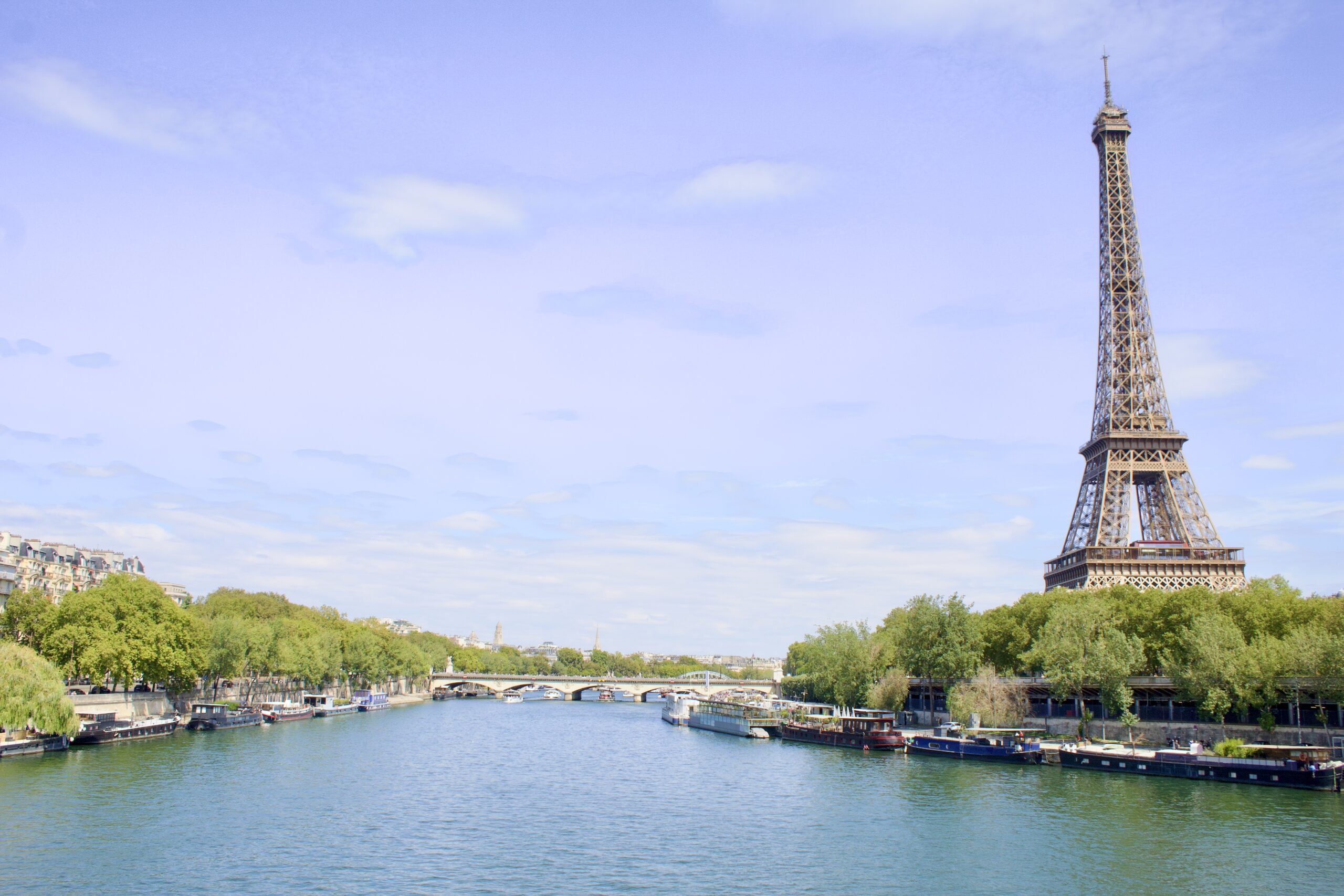
The city of lights – What makes Paris notoriously famous?
Paris is so much more than just a capital city. Paris is a feeling, a state of mind, a symbol, a fenomenon so let’s see how it became…
4 min read
-

The Best Reasons Why You Should Consider Minimalism
Embracing Minimalism: A Pathway to Personal Well-Being, Environmental Sustainability, and Financial Freedom In recent years, many people have started to embrace minimalism as a way of living. Simply…
4 min read
-
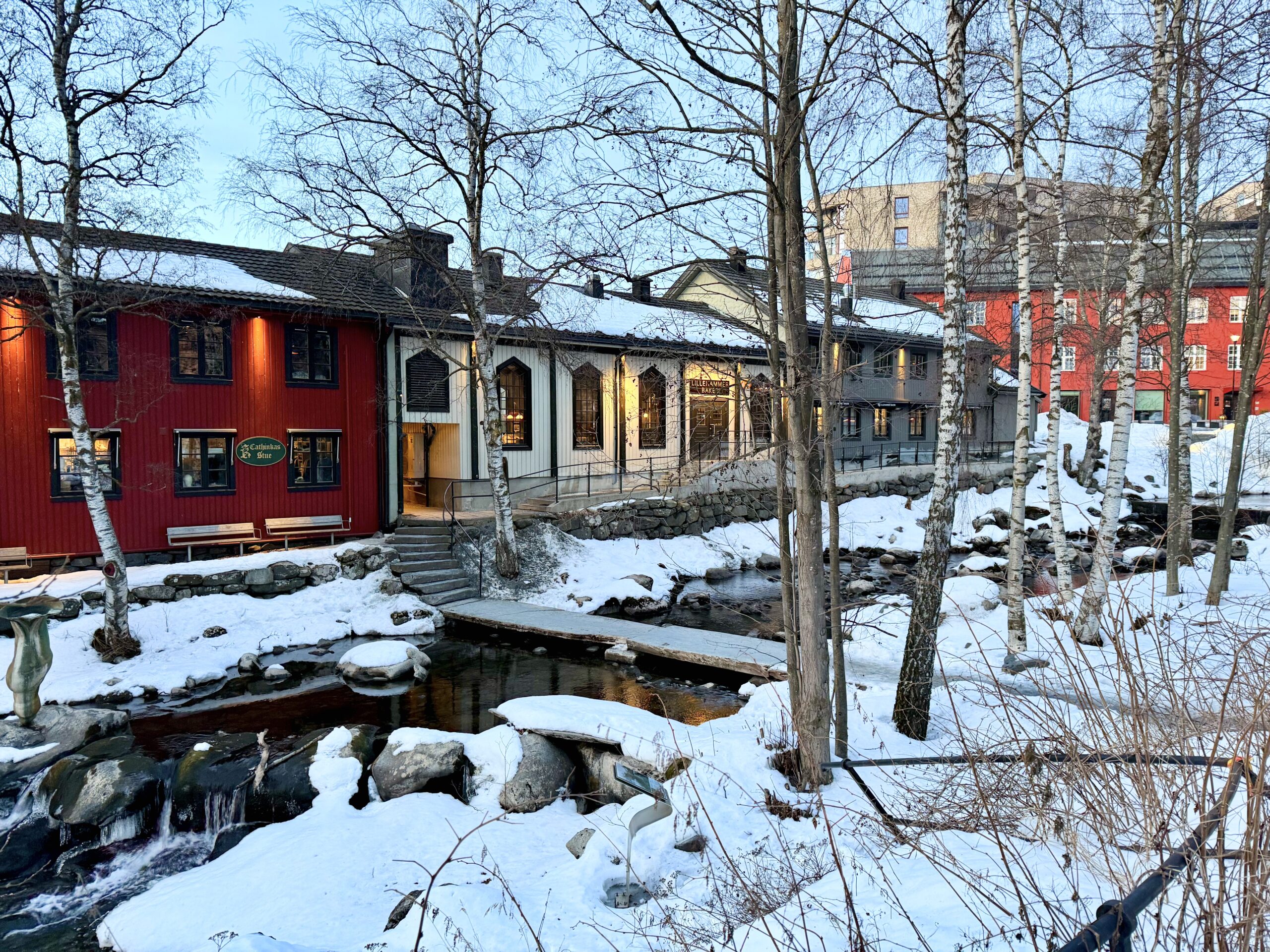
In the Land of Fjords – Discover Norway’s frozen beauty
“Only the one who wanders will find new paths” – Norwegian proverb Norway in winter feels like the world has chosen silence on purpose. Norway is often called the land of fjords, and for good reason. The cold doesn’t bite. It clarifies. Air turns sharp and honest, every breath a small awakening. Snow gathers softly […]
4 min read
-

Dracula – how an english writer made Transylvania famous
Explore the legend of Dracula, the famous vampire of Transylvania, and uncover the secrets behind this iconic character
4 min read
-
![One hundred time-tested books [How many have you read?]](https://selfsoph.com/wp-content/uploads/2024/08/classic-book-scaled.jpeg)
One hundred time-tested books [How many have you read?]
Discover timeless wisdom with our collection of time-tested books. Dive into classic literature and explore the profound insights they offer.
4 min read