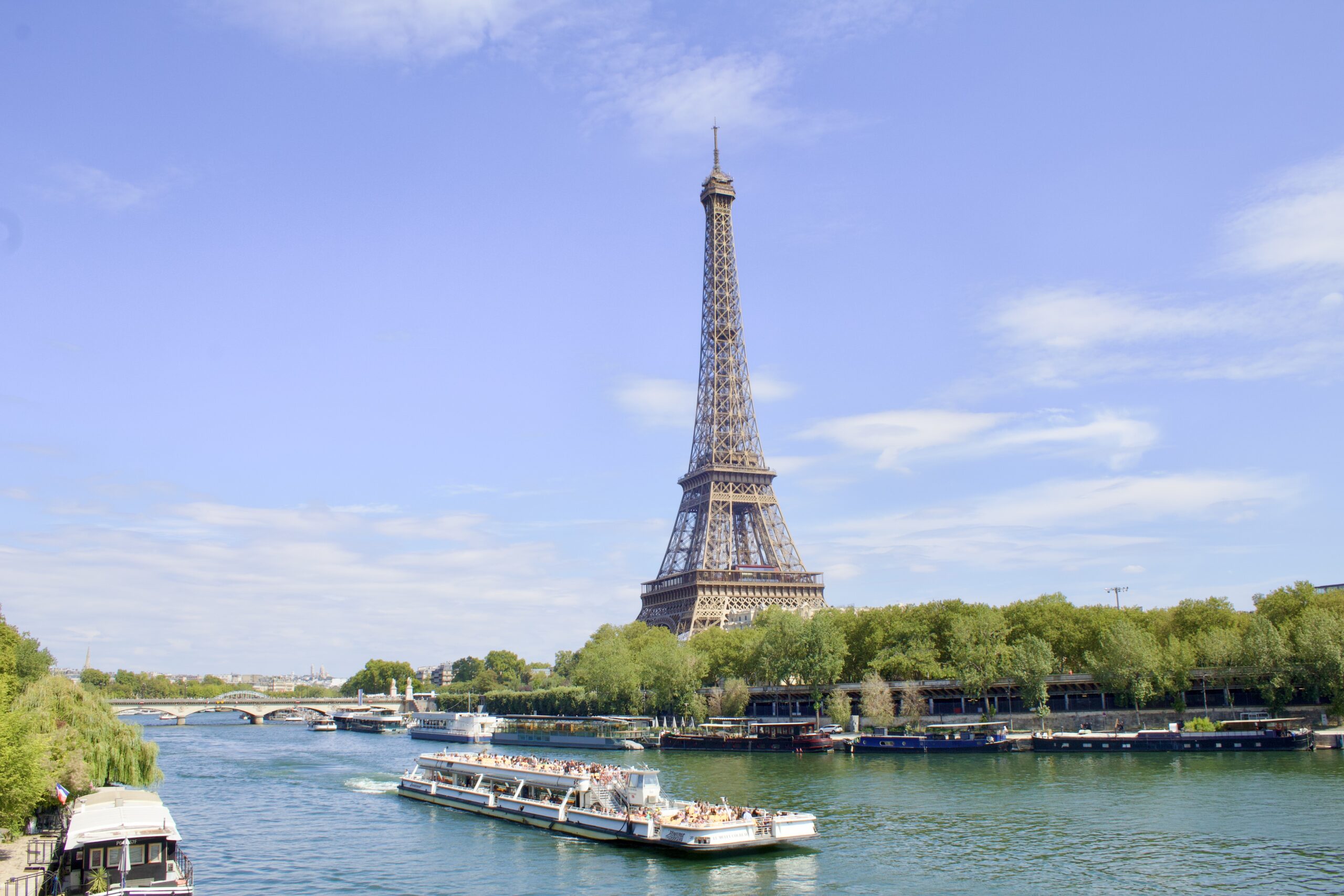
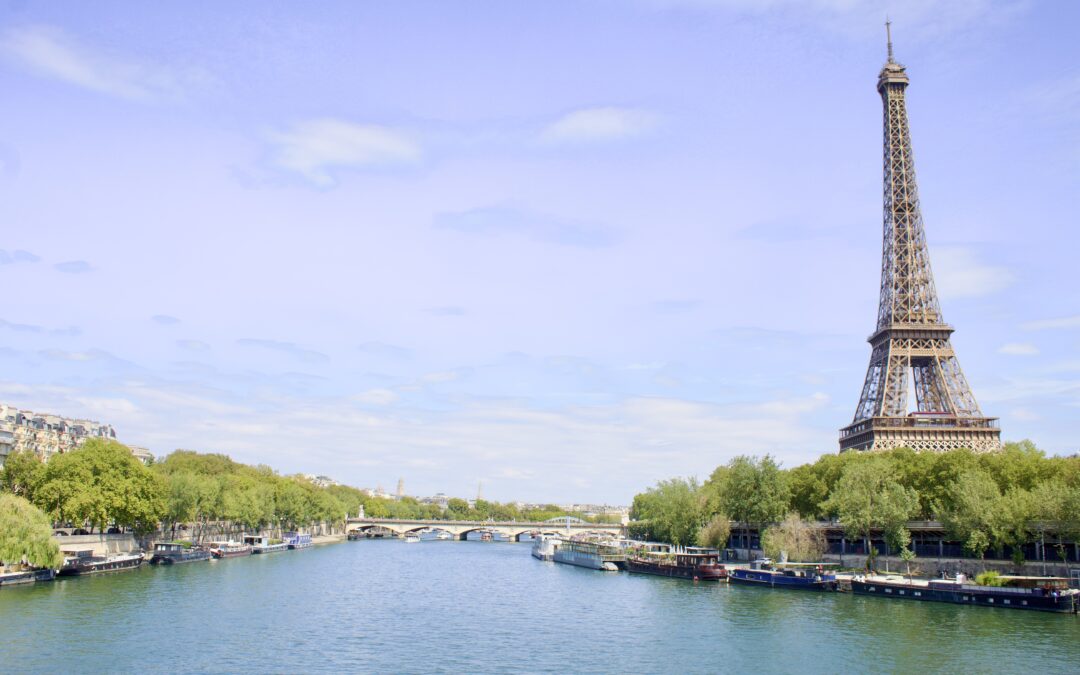
Paris is so much more than just a capital city. Paris is a feeling, a state of mind, a symbol, a phenomenon, so let’s see how it became notoriously famous.
The capital of France holds a timeless allure that has captivated the world for centuries. Renowned for its rich history, unparalleled art scene, and romantic ambience, Paris stands as a beacon of culture and sophistication.
From iconic landmarks like the Eiffel Tower and Notre Dame Cathedral to its culinary excellence and fashion prowess, the City of Light continues to leave an indelible mark on visitors.
Delving into the reasons behind Paris’s notorious fame unveils a tapestry of historical significance, artistic legacy, and cultural influence that have cemented its position as one of the most beloved cities on the global stage.
The River Remembers: Paris Awakens
The Seine wakes before the city does.
Long before footsteps strike the cobblestones, before bells begin their ancient conversations with the sky, the river stirs — a slow, deliberate breath beneath the pale veil of dawn. Its waters glide like liquid memory, carrying centuries in their currents, whispering stories to the bridges that lean over it like ageing guardians.
Paris is not yet visible.
It is only a silhouette — a suggestion of rooftops, a murmur of stone, a promise suspended in the cool morning air.
But the river remembers everything.
It remembers the Roman soldiers who once marched along its banks, their armour catching the first light like shards of fire. It remembers the fishermen of Lutetia, casting nets into waters that held more hope than fish. It remembers the monks who prayed in silence, believing the river carried their words toward heaven.
It remembers kings.
It remembers beggars.
It remembers revolutions.
And now, as dawn stretches its golden fingers across the horizon, the Seine prepares to awaken the city that has grown around it like a crown.
The first light touches the Île de la Cité — a small island that has held the weight of empires. Its ancient stones absorb the warmth like a creature stirring from sleep. Shadows retreat into alleyways, revealing the outlines of medieval walls, the remnants of fortresses, the bones of a city that has survived fire, flood, and fury.
A single gull cries overhead, slicing through the silence.
The sound echoes against the facades of old buildings, bouncing from window to window until it dissolves into the morning air.
Paris opens its eyes.
The rooftops shimmer with dew, each tile catching the light like a thousand tiny mirrors. Chimneys stand like watchtowers, guarding secrets whispered by generations. The narrow streets, still empty, seem to hold their breath — waiting for footsteps, for voices, for life to spill into them once more.
The city does not rush.
Paris never rushes.
It awakens with the confidence of a place that knows it has nothing to prove.
It has already conquered centuries.
On the Pont Neuf, the oldest bridge in the city, the stone arches glow with a soft amber hue. They have seen kings ride across them in gilded carriages, lovers carve initials into their railings, and revolutionaries march with fire in their eyes. Now, in the quiet of dawn, the bridge stands alone — a sentinel watching the river’s slow procession.
A breeze rises, carrying the scent of wet stone and distant bread ovens beginning their morning ritual. The air tastes like history — dense, layered, alive.
The river responds, rippling gently as if acknowledging the city’s awakening.
Farther along the Seine, the water reflects the faint outline of the Louvre. At this hour, the palace is a sleeping giant — its vast wings wrapped in shadow, its glass pyramid still dark. But even in slumber, it radiates authority. The Louvre has worn many faces: fortress, palace, museum, monument. It has survived kings, revolutions, and wars. It has watched Paris transform again and again, yet it remains, unshaken.
The river remembers when the Louvre was young — when its walls were rough and its towers sharp, when archers stood guard and banners snapped in the wind. It remembers the day the palace became a sanctuary for art, when canvases and sculptures arrived like pilgrims seeking refuge.
Now, the Seine carries the Louvre’s reflection with reverence, as if transporting its image gently downstream.
The sun climbs higher, and Paris begins to reveal itself more boldly.
The façades along the riverbank glow with warm tones — ochre, cream, pale rose. Balconies adorned with wrought iron curl like delicate handwriting against the stone. Windows blink awake, catching the light and throwing it back in shimmering fragments.
A baker opens his shutters.
A street sweeper begins his slow, rhythmic dance with the cobblestones.
A café owner arranges chairs outside, each one facing the river as if preparing an audience for the day’s performance.
Paris is a stage, and dawn is its overture.
On the Quai des Orfèvres, the old police headquarters looms with stoic dignity. Its walls have heard confessions, lies, and truths that could topple kingdoms. The river remembers the footsteps of detectives, the whispers of conspirators, the cries of the condemned. It remembers the weight of justice and the shadow of corruption.
But now, in the early light, the building seems almost gentle — softened by the glow of morning, humbled by the river’s eternal presence.
Across the water, the spire of Sainte‑Chapelle pierces the sky like a shard of stained glass. Inside, the chapel holds a universe of colour — windows that ignite with fire when sunlight touches them. But at dawn, the glass is quiet, waiting for the sun to rise high enough to awaken its brilliance.
The river remembers the day Sainte‑Chapelle was consecrated — the procession of clergy, the murmured prayers, the awe that swept through the crowd as the windows blazed with celestial light. It remembers the centuries of devotion, the wars that threatened its existence, the restoration that saved it from ruin.
Now, the Seine carries the chapel’s reflection like a jewel floating upon its surface.
The city grows louder.
Footsteps echo along the embankments.
Bicycles hum across bridges.
Voices rise in fragments — greetings, laughter, the first arguments of the day.
Paris is fully awake.
But the river remains calm, steady, ancient. It has seen this awakening thousands of times. It knows the city’s rhythm better than any clock. It knows when the streets will fill, when the markets will open, when the bells will ring.
It knows when Paris will roar.
It knows when Paris will weep.
It knows when Paris will burn.
And it knows that every day, no matter what happens, the city will return to the river — to remember, to reflect, to breathe.
As the sun reaches its full height, the Seine glitters like a blade of light cutting through the heart of Paris. Boats begin their slow glide across its surface, leaving ripples that distort the reflections of bridges and buildings. The river accepts these distortions without complaint. It has learned to bend without breaking.
The city hums with life now — a symphony of motion and sound.
But beneath it all, the river continues its quiet journey, carrying the weight of centuries with effortless grace.
Paris has awakened.
The day has begun.
And the Seine, ancient and eternal, flows on — ready to witness whatever story the city chooses to write next.
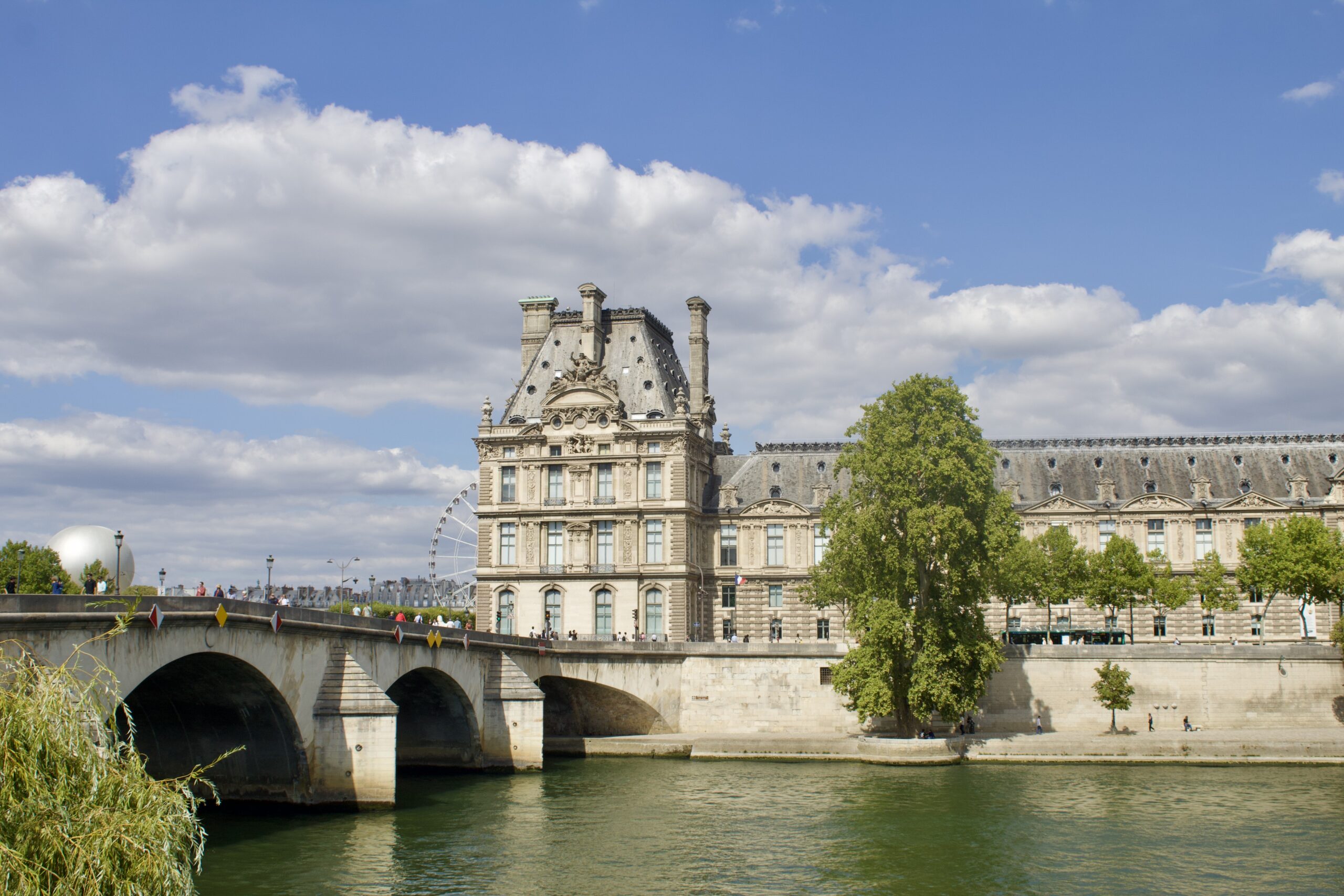
THE ISLAND OF KINGS: POWER ON THE ÎLE DE LA CITÉ
The island rises from the river like a throne.
At the heart of Paris, the Île de la Cité sits heavy with centuries, its stones thick with memory, its narrow streets coiled like veins carrying the lifeblood of a kingdom. The Seine embraces it on all sides, not gently, but possessively — as if the river knows that without this island, Paris would lose its spine.
Morning light spills across the water, climbing the island’s ancient walls, revealing the contours of a place that has worn crowns, carried burdens, and survived storms that would have broken lesser cities.
This is where Paris began.
This is where power learned to speak.
The first footsteps of the day echo beneath the arches of the Pont au Change. Merchants preparing their stalls, clerks hurrying toward offices, priests crossing toward the cathedral — their movements weave together like threads forming the tapestry of a city awakening.
But beneath these modern rhythms lies something older, deeper, more commanding.
The island remembers kings.
It remembers the Capetians, who chose this patch of land as the seat of their dynasty. It remembers the medieval courts, the royal decrees, the whispers of intrigue that slithered through corridors lit by flickering torches. It remembers the clang of armor, the rustle of velvet, the murmur of prayers offered in desperation or ambition.
The Palais de la Cité still stands, though transformed by time. Its façade, once a fortress bristling with battlements, now carries the elegance of centuries of reconstruction. But if you listen closely — truly listen — you can hear the echo of iron striking stone, the distant roar of medieval crowds, the heartbeat of a monarchy that once ruled from this very ground.
The Conciergerie looms like a shadowed sentinel.
Its towers rise with grim authority, their pointed roofs piercing the sky like accusations. The stone is dark, worn, and heavy with the weight of history. This was once the palace’s guardroom, then its prison — a place where fate was decided with brutal efficiency.
The river remembers the prisoners who walked through its doors.
It remembers their fear.
It remembers their defiance.
Among them was a queen — Marie Antoinette — who waited here for the blade that would end her reign. The walls still hold her silence, a silence so profound it seems to seep into the air around the building, chilling it even in summer.
Now, in the morning light, the Conciergerie appears almost peaceful. But the river knows better. It knows that beneath the calm façade lies a history that trembles with violence and sorrow.
Farther along the island, the Sainte‑Chapelle rises like a miracle carved from stone.
Its spire catches the sunlight, sending a sharp gleam across the rooftops. The exterior is modest compared to the grandeur within, but even from outside, the chapel radiates a sense of sacred intensity — as if it is holding its breath, waiting for the sun to climb high enough to ignite its stained‑glass universe.
Inside, the windows will soon blaze with color — ruby, sapphire, emerald, gold — each pane telling stories of kings, saints, and divine right. But for now, the chapel stands quiet, its brilliance dormant, its glory folded like wings at rest.
The river remembers the day Sainte‑Chapelle was consecrated.
It remembers the procession of clergy, the shimmering robes, the murmured prayers.
It remembers the awe that swept through the crowd as the windows erupted in celestial fire.
The island has always been a stage for spectacle — political, spiritual, and sometimes catastrophic.
As the sun climbs higher, the medieval streets of the Île de la Cité come alive.
Vendors set up stalls along the Quai de la Corse, their voices rising in rhythmic calls. The scent of fresh bread drifts from nearby bakeries, mingling with the aroma of roasted chestnuts and the faint perfume of river mist. Tourists begin to gather, their footsteps tapping against the cobblestones like a chorus of curiosity.
But beneath the bustle lies a tension — a sense that the island is watching, judging, remembering.
The buildings lean inward, their façades close enough to touch, as if they are whispering secrets to one another. The narrow alleys twist and turn, guiding visitors through shadows that feel older than the city itself. Every corner holds a story. Every stone holds a memory.
The island is not merely a place.
It is a witness.
At the western tip of the island stands the Place Dauphine — a quiet triangle of elegance framed by uniform façades. The square feels like a pause in the city’s heartbeat, a moment of calm amid centuries of turmoil. Its trees sway gently in the breeze, their leaves catching the light like tiny flames.
But even here, history lingers.
The river remembers duels fought at dawn, pistols drawn beneath the shade of these trees. It remembers lovers who met in secret, revolutionaries who plotted in whispers, poets who scribbled verses on scraps of paper while watching the world unfold around them.
Place Dauphine is a sanctuary, but it is also a stage — one where countless dramas have played out beneath the watchful gaze of the river.
The bells of the island begin to ring.
Their sound rises like a command, echoing across the water, bouncing off bridges, weaving through streets. It is a sound that has marked time for centuries — calling kings to council, summoning crowds to worship, warning citizens of danger.
The river listens, as it always has.
The bells are not merely instruments.
They are voices — voices of the island, voices of Paris, voices of history itself.
By midday, the Île de la Cité is fully awake.
The sun glints off the river, turning the Seine into a ribbon of molten gold. Boats glide past, their wakes rippling across the reflections of towers and spires. The island hums with life — modern, vibrant, restless.
But beneath the surface, the ancient heartbeat continues.
This island has carried crowns.
It has carried prisoners.
It has carried revolutions.
It has been the cradle of power, the stage of justice, the sanctuary of faith.
And now, as the river flows around it with steady determination, the Île de la Cité stands as it always has — a throne carved from stone, a monument to the city’s origins, a reminder that Paris was born not from chance, but from destiny.
The river remembers.
The island remembers.
And Paris, awakened and alive, prepares to write the next chapter of its story.
THE CATHEDRAL’S CRY: NOTRE‑DAME’S ASCENT
The island grows quiet as the sun climbs higher, as if preparing itself for a revelation.
Shadows retreat toward the riverbanks.
Light gathers in the centre of the Île de la Cité, pooling like molten gold at the foot of a structure that seems to breathe with the weight of centuries.
Notre‑Dame rises.
Not suddenly, not violently — but with the slow, deliberate majesty of something that has always existed, waiting only for the world to notice.
Its towers pierce the sky like twin declarations.
Its façade stretches upward in a symphony of stone, each arch, each carving, each gargoyle a note in a composition that took generations to complete.
The cathedral does not merely stand.
It ascends — eternally, defiantly, magnificently.
The river watches, its surface trembling with reflected light.
The island listens, its stones humming with memory.
Paris holds its breath.
Long before the cathedral became a symbol, it was a dream—a dream born in the minds of men who believed stone could touch heaven.
The first foundation stones were laid in 1163.
The river remembers the day well.
It remembers the procession of clergy, their robes sweeping across the ground like waves of colour.
It remembers the murmured prayers, the solemn chants, the scent of incense drifting through the air.
It remembers the moment when the bishop raised his hand, blessing the earth where the cathedral would rise.
The island trembled then — not with fear, but with anticipation.
For centuries, Paris had been a city of kings and courts, of markets and monasteries. But Notre‑Dame promised something different. It promised a monument not to power, but to faith. Not to wealth, but to wonder. Not to the fleeting ambitions of men, but to the eternal.
And so the cathedral began its slow ascent.
The construction took nearly two hundred years.
Generations of craftsmen worked on its walls — men who would never see the finished structure, yet carved their devotion into every stone. Their hands shaped the arches, lifted the vaults, sculpted the saints and monsters that cling to the façade like guardians.
The river remembers their sweat.
It remembers their songs — rhythmic, steady, rising with the sound of chisels striking stone.
It remembers the scaffolding that wrapped the cathedral like a cocoon, the cranes that creaked beneath the weight of ambition, the wooden beams that groaned as the towers climbed higher.
The island watched as the cathedral grew — slowly, steadily, impossibly.
At times, it seemed the structure would never be finished.
Wars interrupted construction.
Fires threatened the work.
Kings died.
Architects changed.
Styles evolved.
But Notre‑Dame did not falter.
It rose through chaos, through conflict, through centuries of uncertainty.
It rose because Paris needed it.
It rose because faith demanded it.
It rose because the river whispered encouragement, carrying the dreams of the builders downstream, reminding them that all great things begin with patience.
By the time the cathedral’s towers were completed, Paris had transformed.
The medieval city had grown denser, louder, more complex.
Markets spilled into streets.
Merchants shouted their wares.
Children ran across bridges.
Monks hurried between monasteries.
Kings issued decrees from the palace.
But Notre‑Dame stood above it all — serene, commanding, eternal.
Its bells began to ring, their voices rising like thunder across the island.
The sound echoed through the narrow streets, bounced off the palace walls, drifted across the river, and settled into the hearts of the people.
The bells did not merely mark time.
They marked destiny.
Inside the cathedral, light performed miracles.
Sunlight filtered through stained‑glass windows, transforming the interior into a kaleidoscope of colour.
Reds burned like embers.
Blues shimmered like deep water.
Gold flickered like fire.
The river remembers the first time sunlight touched the rose window — how the glass erupted in brilliance, how the colours danced across the stone floor, how the crowd gasped as if witnessing the birth of a star.
Notre‑Dame was not just a building.
It was a revelation.
Outside, the gargoyles watched.
Perched along the edges of the roof, they crouched like beasts ready to leap. Their faces twisted in grotesque expressions — snarling, grimacing, mocking. But beneath their monstrous forms lay purpose. They were guardians, protectors, storytellers carved from stone.
The river remembers the day they were lifted into place — the ropes straining, the workers shouting, the creatures rising slowly toward the sky.
It remembers the moment each gargoyle settled into its perch, as if claiming its rightful place in the cathedral’s mythology.
Now, in the morning light, the gargoyles seem almost alive.
Their shadows stretch across the façade like claws.
Their eyes glint with mischief.
Their mouths curl in silent laughter.
They have seen everything — the coronations, the funerals, the revolutions, the fires.
They have watched Paris change again and again, yet they remain, eternal witnesses carved from the imagination of men who understood that beauty must sometimes wear a monstrous face.
As the day unfolds, crowds gather before the cathedral.
Tourists lift cameras.
Locals pause in reverence.
Children stare upward, their eyes wide with wonder.
But beneath the surface, something deeper stirs.
Notre‑Dame is not merely admired.
It is felt.
Its presence presses against the air, heavy with centuries of devotion and defiance.
Its towers cast long shadows that stretch across the island like reminders of the past.
Its bells ring with a voice that seems to come not from metal, but from the very soul of Paris.
The cathedral is a cry — a cry carved in stone, a cry that has echoed across the city for nearly a thousand years.
A cry of faith.
A cry of power.
A cry of endurance.
By evening, the sun dips low, casting a warm glow across the façade.
The stone turns golden, then amber, then deep rose.
The towers blaze with colour, as if lit from within.
The river watches, mesmerised.
The island listens, humbled.
Paris stands still, captivated.
Notre‑Dame does not simply rise.
It ascends — again and again, every day, with every sunrise, with every bell, with every breath of wind that touches its ancient walls.
It is the heart of the island.
It is the soul of the city.
It is the cry of Paris — eternal, unbroken, unforgettable.
WHISPERS OF REVOLUTION: TENSION IN THE STREETS
Paris changes when the air changes.
It begins subtly — a shift in the way people walk, a new sharpness in their voices, a heaviness in the silence between sentences. The Seine feels it first, its waters darkening as clouds gather overhead. The river slows, as if listening. As if bracing.
The island feels it next.
The stones of the Île de la Cité, usually warm with the rhythm of daily life, begin to vibrate with something else — something restless, something rising.
And then the streets feel it.
The narrow medieval alleys, once filled with laughter and commerce, now carry whispers that cling to the walls like smoke.
Paris is changing.
Paris is preparing.
Paris is beginning to tremble.
It starts with bread.
Not the absence of it — not yet — but the fear of its absence.
Bakers open their shutters with anxious eyes. Flour sacks arrive late. Prices rise by a coin, then two. Women mutter beneath their breath as they wait in line, clutching baskets with knuckles white from worry.
The river hears their murmurs.
It carries them downstream, weaving them into a chorus of discontent.
“Too expensive.”
“Too little.”
“Too late.”
Bread is not just food in Paris.
Bread is survival.
Bread is dignity.
Bread is the difference between calm and chaos.
And chaos is beginning to stir.
In the markets along the Right Bank, tension coils like a serpent.
Merchants argue over taxes.
Fishmongers complain about shortages.
Butchers slam cleavers harder than necessary, their frustration echoing through the stalls.
Women gather in clusters, their voices sharp, their eyes fierce.
The whispers grow louder.
“Something must change.”
“They cannot keep taking from us.”
“We are starving while they feast.”
The river listens, its surface rippling with unease.
Across the city, in smoky taverns and cramped wine shops, men gather in tight circles. Their conversations are hushed, but their eyes burn with intensity. Tankards slam against wooden tables. Cards are forgotten mid‑game. The air thickens with the scent of sweat, ale, and rebellion.
Names begin to circulate — names spoken with caution, names spoken with hope.
Mirabeau.
Danton.
Desmoulins.
Men who speak boldly.
Men who challenge authority.
Men who ignite sparks.
The river carries their names like embers drifting across the water.
In the salons of the Left Bank, the whispers take a different shape.
Here, the air is perfumed, the furniture polished, the conversations refined. But beneath the elegance lies a dangerous electricity. Philosophers debate liberty with voices that tremble not from fear, but from excitement. Writers sharpen their words like weapons. Artists sketch visions of a world transformed.
Candles flicker as ideas ignite.
“What is the value of a king?”
“What is the meaning of equality?”
“What is the cost of freedom?”
The river hears these questions and shivers.
It knows that ideas, once spoken, cannot be unspoken.
They spread like fire.
The palace feels it too.
The Palais de la Cité, once a fortress of royal authority, now seems uneasy. Guards stand a little straighter. Courtiers speak in hushed tones. Messengers hurry through corridors with anxious expressions. The walls, thick with centuries of power, seem to absorb the tension like a sponge.
The king is not here — not on the island — but his presence lingers in every stone.
And the stones are beginning to feel heavy.
Notre‑Dame feels it most of all.
The cathedral’s towers loom over the island like watchful sentinels. Its bells, usually steady and serene, seem to ring with a new urgency. The gargoyles crouch along the roof, their stone faces twisted in expressions that look almost… amused.
They have seen unrest before.
They have seen riots, uprisings, rebellions.
They know the signs.
And they know that Paris is on the brink.
Inside, the stained‑glass windows glow with an eerie intensity, as if the colors themselves sense the approaching storm. The light shifts, flickering across the stone floor like restless spirits.
The cathedral does not tremble.
It waits.
By late afternoon, the tension becomes visible.
Crowds gather in the streets — not large crowds, not yet, but clusters of people drawn together by shared frustration. Their conversations grow louder. Their gestures sharper. Their faces harder.
A soldier passes by, and the crowd falls silent.
But the silence is not respect.
It is resentment.
The soldier feels it.
He quickens his pace.
On the Pont Neuf, a young man climbs onto a bench. His clothes are worn, his hair disheveled, his eyes blazing with conviction. He raises his voice, shouting words that slice through the air like blades.
“They starve us!”
“They tax us!”
“They ignore us!”
People stop.
People listen.
People nod.
The river hears his voice and carries it downstream, amplifying it, spreading it.
By evening, the whispers have become murmurs.
The murmurs have become conversations.
The conversations have become arguments.
Paris is no longer calm.
Paris is simmering.
The sky darkens, clouds gathering like a curtain drawn before a performance. The wind picks up, swirling through the streets, carrying dust, leaves, and tension in its wake.
The river grows restless, its surface rippling with agitation.
The island feels heavier, as if bracing for impact.
Notre‑Dame’s bells ring again — not for prayer, not for ceremony, but as if warning the city that something is coming.
Something inevitable.
Something unstoppable.
Something that will change Paris forever.
Night falls.
The whispers do not fade.
They grow louder in the darkness.
In taverns, men speak boldly now.
In markets, women plan.
In salons, ideas sharpen.
In the streets, crowds gather.
Paris is no longer trembling.
Paris is awakening.
The Revolution has not yet begun.
But its shadow stretches across the city like a storm cloud.
And the river, ancient and knowing, flows on — carrying whispers, carrying tension, carrying the first fragile sparks of a fire that will soon engulf the world.
THE DAY THE BASTILLE FELL
The morning of July 14th, 1789, does not arrive quietly.
It breaks over Paris like a drumbeat — heavy, insistent, impossible to ignore. The sky is a dull, oppressive gray, the kind that presses down on rooftops and squeezes the breath from the air. Clouds churn above the city like smoke rising from an unseen fire.
The Seine feels it first. Its waters churn with agitation, slapping against the embankments as if trying to warn the city of what is coming.
The river is restless.
The river is afraid.
The river is ready.
Paris wakes with clenched fists.
The streets fill quickly.
Not with merchants or bakers or children chasing one another — but with men and women whose faces are carved with determination. Their eyes burn with sleepless nights, their steps strike the cobblestones with purpose. They move like a tide, gathering strength as they surge through the city.
The whispers of the previous days have become shouts.
The murmurs have become demands.
The tension has become fury.
Paris is no longer simmering.
Paris is boiling.
The Bastille rises at the eastern edge of the city — a hulking fortress of stone, its towers thick and brutal, its walls stained with centuries of fear. It looms over the district like a beast crouched in the shadows, watching, waiting, daring anyone to challenge it. For generations, the Bastille has been a symbol of royal authority — a place where prisoners vanish, where secrets are buried, where the monarchy’s iron fist tightens around dissent.
But today, the fortress feels different.
It feels vulnerable.
It feels mortal.
The crowd approaches like a storm.
At first, it is only a few hundred people — armed with sticks, knives, and whatever weapons they can find. But as they march, the crowd grows. Men join from taverns, women from markets, children from alleyways. The sound of their footsteps becomes a thunderous rhythm, echoing through the streets like the heartbeat of a giant.
“À la Bastille!”
“To the Bastille!”
“To freedom!”
The river hears their cries and shivers.
The fortress guards watch from the ramparts, their faces pale beneath their helmets. They have seen unrest before, but nothing like this. Nothing so large. Nothing so determined. Nothing so inevitable.
The crowd stops before the gates.
A silence falls — heavy, suffocating, electric.
Then a single voice rises.
“We want the gunpowder!”
The demand slices through the air like a blade.
The Bastille holds stores of gunpowder — enough to arm a revolution. Enough to ignite a war. Enough to change the world.
The governor hesitates.
The crowd does not.
The first shot rings out.
It is unclear who fires it — a guard, a protester, a nervous hand trembling with fear. But the effect is immediate. The crowd erupts, surging forward with a roar that shakes the very foundations of the fortress.
Gunfire cracks through the air. Smoke billows from the ramparts. Men fall. Women scream. Children scatter. But the crowd does not retreat. It advances — again and again, wave after wave, driven not by weapons but by fury. Paris has chosen its enemy.
Paris will not be denied.
The battle becomes chaos.
Streets fill with smoke so thick it blinds.
Gunshots echo like thunder.
Shouts rise and fall like waves crashing against cliffs.
The smell of gunpowder mixes with sweat, blood, and fear.
The river watches helplessly, its waters trembling with each explosion.
The Bastille fires cannons into the crowd.
The crowd fires back with stolen muskets.
Men climb the walls, slipping on blood‑slick stone.
Women drag the wounded to safety.
Children throw stones at the fortress, their faces twisted with rage.
Hours pass.
The sun climbs higher.
The heat becomes unbearable.
But the crowd does not break.
Paris refuses to break.
Inside the fortress, the governor paces, his face pale, his hands shaking. He knows the truth — the Bastille cannot hold. The crowd is too large. The fury too great. The moment too powerful. He orders a ceasefire. He orders negotiations. He orders surrender. But it is too late. The crowd has become a force of nature — unstoppable, unyielding, inevitable.
The gates fall.
The roar that erupts from the crowd shakes the city.
It shakes the river.
It shakes the island.
It shakes the cathedral.
Notre‑Dame’s bells begin to ring — not for prayer, not for ceremony, but in response to the thunder rising from the east. The sound echoes across the rooftops, bouncing from tower to tower, weaving through streets like a cry of triumph.
Paris has done the impossible.
Paris has taken the Bastille.
The crowd floods into the fortress.
They tear down walls.
They smash chains.
They free prisoners — only seven, but it does not matter.
The symbolism is greater than the reality.
The Bastille is not a prison. It is a message. A message to the king. A message to the world. A message carved in stone and shattered by the hands of the people.
Paris has risen.
Paris has rebelled.
Paris has declared itself.
By evening, the fortress is in ruins.
Smoke rises from its broken towers.
Debris litters the ground.
The crowd dances atop the rubble, waving flags, shouting victory, embracing strangers. Tears mix with laughter. Blood mixes with sweat. Hope mixes with fury.
The river carries the sound of celebration downstream, spreading it across the city like a blessing.
The Bastille has fallen.
The Revolution has begun.
And Paris, trembling with triumph, prepares for the fire that will reshape its destiny.
ASHES AND AMBITION: REBUILDING A NATION
Paris does not sleep after the Bastille falls.
It cannot.
The city is too alive, too electrified, too shaken by the magnitude of what it has done.
The night after the fortress collapses feels like a fever dream — a blur of firelight, shouting, singing, crying, and the relentless pounding of footsteps echoing through the streets.
The Seine reflects it all — flames flickering on its surface, shadows dancing across its currents, voices drifting like ghosts above the water. The river has witnessed uprisings before, but never one like this. Never one so vast. Never one so final.
Paris has crossed a threshold.
There is no going back.
By dawn, the smoke still rises from the ruins of the Bastille.
The fortress is no longer a monster of stone.
It is a carcass — broken, gutted, defeated.
Its towers lie in jagged heaps.
Its walls crumble beneath the weight of victory.
Its gates hang twisted, like ribs torn open.
Crowds gather again, drawn not by fury now, but by awe.
They walk among the rubble with reverence, touching stones that once symbolised oppression. Children climb the fallen towers, laughing as if reclaiming a stolen childhood. Women pick up fragments of iron and brick, holding them like relics. Men stand silently, their faces hard with determination.
The Bastille is gone. But its destruction is only the beginning. The city feels different. The air is sharper. The streets hum with purpose.
The people move with a new kind of confidence — not the confidence of victory, but the confidence of awakening.
Paris has realised its power. And power, once realised, cannot be forgotten.
In the National Assembly, voices rise like a storm.
The deputies, once cautious, now speak with fire.
They argue, shout, pound their fists on wooden desks.
They demand rights, reforms, justice.
They draft declarations with trembling hands, knowing the world is watching.
The Declaration of the Rights of Man and of the Citizen begins to take shape — a document born from smoke and fury, from hunger and hope, from the rubble of a fortress that once silenced dissent.
“Men are born free and equal in rights.”
The words echo through the chamber like thunder.
Outside, the river carries them downstream, whispering them to the city.
But Paris is not unified.
Not yet.
The victory at the Bastille has awakened ambition — but also fear.
The aristocracy trembles.
The clergy whispers.
The monarchy recoils.
In the halls of Versailles, the king paces with restless steps.
Louis XVI is not a tyrant by nature, but he is a man trapped in a role too large for him.
He hears the news of the Bastille’s fall and feels the ground shift beneath his feet.
He does not know whether to negotiate or resist.
He does not know whether to flee or fight.
He does not know whether he still has a kingdom.
The palace feels his uncertainty.
Its mirrors reflect a man losing control.
Its corridors echo with the whispers of courtiers who no longer trust the crown.
Its gardens, once symbols of royal perfection, now seem too quiet — as if waiting for footsteps that will never return.
Back in Paris, the people do not wait.
They march.
Thousands flood the streets, carrying banners, torches, and makeshift weapons. Their chants rise like a tidal wave, rolling through the city with unstoppable force.
“To Versailles!”
“To the king!”
“To justice!”
The river hears their cries and trembles.
The march is not a riot.
It is a pilgrimage — a pilgrimage of hunger, anger, and determination.
Women lead the way, their faces fierce, their voices sharp.
They carry knives, pikes, and empty baskets — symbols of the bread they cannot afford, the children they cannot feed, the promises the monarchy has broken.
Rain begins to fall, but the march does not slow.
The droplets mix with sweat and tears, streaking down faces carved with resolve.
Paris is moving.
Paris is demanding.
Paris is becoming a nation.
When the march reaches Versailles, the palace shudders.
The gates tremble beneath the weight of thousands.
The guards falter.
The king hesitates.
The crowd demands bread.
They demand justice.
They demand the king return to Paris — to face the people, to share their fate, to witness the world he has helped create.
Louis XVI agrees. Not out of courage. Not out of conviction. But out of fear.
The king returns to Paris, escorted by a river of citizens whose chants drown out the clatter of carriage wheels. The monarchy is no longer above the people.
It is surrounded by them.
In the months that follow, Paris becomes a forge.
Ideas clash like iron against iron.
Debates spark like flint.
Laws are hammered into existence.
The old world melts away, replaced by something new — something raw, something uncertain, something powerful.
The river watches as the city transforms.
Churches lose their authority.
Nobles lose their privileges.
The king loses his crown — slowly, painfully, inevitably.
Paris is not gentle in its rebirth.
It is fierce.
It is relentless.
It is determined to carve a nation from the ashes of the past.
But ambition is a dangerous fire.
It burns bright.
It burns hot.
It burns without mercy.
And soon, the flames begin to consume not only the old world, but the new one as well.
Factions rise.
Leaders clash.
Allies become enemies.
The Revolution begins to devour itself.
The river feels the shift — the water darkening, the currents quickening, the air thickening with dread.
Paris has rebuilt itself.
But the cost of rebirth is never small.
The city stands on the edge of a blade — balanced between hope and terror, between freedom and chaos, between ambition and destruction.
The Bastille has fallen.
The nation has risen.
And Paris, trembling with possibility, prepares for the next storm.
THE EMPEROR’S CITY: PARIS UNDER NAPOLEON
Paris does not heal quickly after the Revolution. It smoulders. It broods. It rebuilds itself with trembling hands, unsure whether to fear the future or embrace it.
The Seine carries ashes for years — ashes of decrees, ashes of broken symbols, ashes of a monarchy that dissolved beneath the weight of its own history.
But from the smoke, a new figure rises. Not a king. Not a revolutionary. Something else entirely. A man carved from ambition. A man sharpened by war. A man whose footsteps strike the cobblestones like drumbeats announcing a new era.
Napoleon Bonaparte enters Paris not as a visitor, but as destiny.
The city feels him before it sees him.
Whispers ripple through taverns.
Rumors drift across markets.
Soldiers straighten their posture.
Merchants pause mid‑transaction.
Women lean closer to one another, their voices dropping to excited murmurs.
“The general has returned.”
“They say he never loses.”
“They say he commands armies like a conductor commands music.”
The river listens, its currents tightening with anticipation.
Paris has known kings.
Paris has known rebels.
But it has never known a man like Napoleon.
He arrives at dusk.
The sky burns with streaks of crimson and gold, as if the heavens themselves are saluting him. His horse moves through the streets with steady confidence, hooves striking sparks from the stone. Crowds gather along the boulevards, their faces illuminated by torchlight, their eyes wide with awe.
Napoleon does not wave.
He does not smile.
He does not acknowledge the adoration.
He simply rides — focused, silent, unstoppable.
Paris watches him with a mixture of fear and fascination.
This is not a man who seeks approval.
This is a man who seeks history.
In the months that follow, Paris transforms.
Napoleon does not rebuild the city with gentle hands.
He reshapes it with precision, discipline, and the cold logic of a strategist.
Institutions rise like soldiers standing at attention.
Schools, courts, ministries — each one crafted to serve the new order.
The Napoleonic Code emerges, a legal structure forged with the clarity of steel.
It cuts through chaos, carving order from the remnants of revolution.
The river carries copies of the Code downstream, its pages fluttering like wings of a new era.
Paris feels the shift.
The city becomes sharper, cleaner, more controlled.
The wild energy of revolution is replaced by the disciplined march of empire.
Napoleon’s presence is everywhere.
In the barracks, soldiers train with relentless intensity.
In the streets, posters announce victories from distant lands.
In salons, conversations revolve around strategy, conquest, ambition.
In cafés, men argue over maps, tracing the lines of Europe with trembling fingers.
Paris becomes a capital not of rebellion, but of domination.
The city’s heartbeat syncs with the rhythm of marching boots.
The monuments begin to rise.
Napoleon understands the power of stone — how architecture can shape memory, how monuments can immortalise ambition. He commissions structures that speak not of humility, but of glory.
The Arc de Triomphe begins its ascent, its foundations sinking deep into the earth like roots of victory. Workers toil day and night, lifting massive blocks of stone, carving inscriptions that celebrate battles fought and battles yet to come.
The river watches the arch grow, its reflection shimmering on the water like a promise.
Paris has seen monuments before.
But never one so bold.
Never one so unapologetic.
The city becomes a stage for spectacle.
Military parades thunder through the streets, drums pounding like war itself. Horses snort clouds of steam into the cold morning air. Flags snap in the wind, their colors bright against the gray sky. Cannons roll past, their wheels groaning beneath the weight of empire.
Crowds gather, cheering as Napoleon rides at the head of his troops.
His uniform gleams.
His posture is perfect.
His gaze is sharp enough to cut stone.
He does not smile.
He does not need to.
Paris adores him.
Paris fears him.
Paris belongs to him.
But beneath the surface, tension coils. Not the tension of revolution — that fire has burned out. This is a different tension. A quieter one. A tension born from ambition that grows too large, too fast, too bright.
Napoleon’s victories stretch across Europe like a shadow. His armies march farther and farther from Paris. His demands grow heavier. His expectations rise.
The city begins to feel the strain. Bread becomes scarce again. Taxes increase. Families lose sons to distant wars. Whispers return — not of rebellion, but of exhaustion. The river hears them, its currents slowing with concern.
Paris has given itself to Napoleon. But the cost is rising. In the Tuileries Palace, Napoleon stands before a massive map of Europe. Candles flicker, casting shadows across his face.
His eyes burn with calculation.
His fingers trace borders like a sculptor shaping clay.
He does not see the city outside.
He does not hear the murmurs of the people.
He does not feel the weight of the sacrifices.
He sees only conquest.
He hears only ambition.
He feels only destiny.
Paris is his capital.
But Europe is his stage.
The empire expands.
The empire strains.
The empire cracks.
Defeats begin to whisper through the streets — first quietly, then louder.
The Russian winter devours his army.
Allies turn into enemies.
Victories fade into memories.
Paris feels the shift.
The city grows anxious.
The river grows cold.
Napoleon returns — not as a conqueror, but as a man chased by the ghosts of his own ambition. Crowds gather again, but their cheers are softer. Their eyes are wary. Their hearts are uncertain. The emperor rides through the streets, but the sparks beneath his horse’s hooves seem dimmer now.
Paris watches him with a new emotion. Not awe. Not fear. But sorrow.
The empire collapses.
Napoleon abdicates.
He leaves Paris — the city he shaped, the city he commanded, the city he loved in his own fierce, flawed way.
The river watches him go, its waters dark with reflection.
Paris stands silent.
The emperor is gone.
The city remains.
And the next chapter waits, rising like a new dawn over the boulevards he left behind.
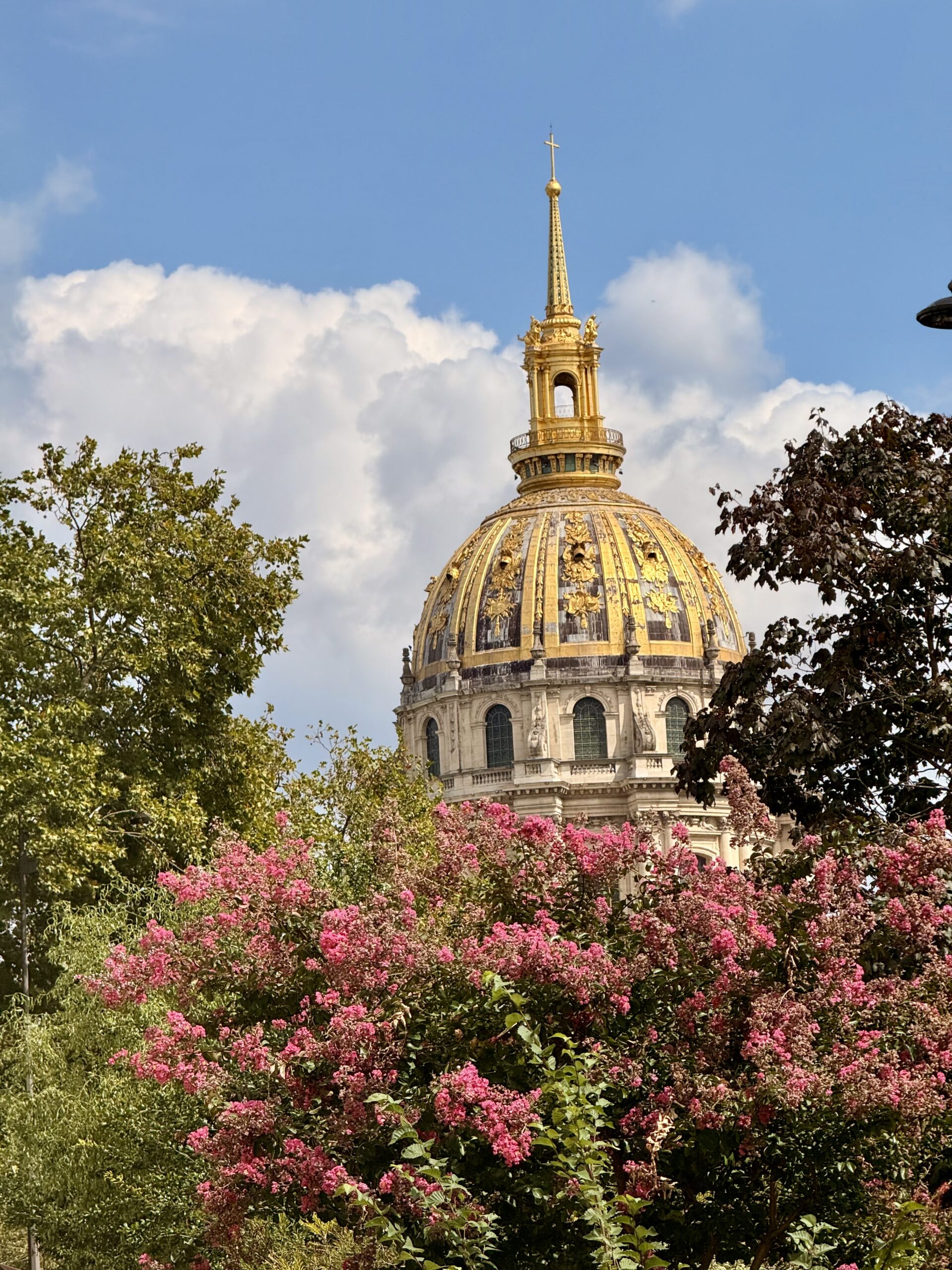
BOULEVARDS OF DESTINY: HAUSSMANN’S PARIS
Paris stands in the aftermath of empire like a wounded giant.
The Revolution has carved scars into its streets. Napoleon has left monuments of ambition scattered across its landscape. The monarchy has returned, then faltered, then fractured again.
The city is restless — too cramped, too chaotic, too fragile to carry the weight of modernity.
The Seine feels the tension in its currents. The river knows Paris is on the brink of another transformation — not one born of fire or fury, but of vision.
A new figure steps into the city’s story. Not a king. Not a general. Not a revolutionary. A planner. A man with maps instead of muskets. A man with blueprints instead of banners. A man whose ambition is not conquest, but reconstruction.
Georges‑Eugène Haussmann.
He arrives with quiet authority. No parades. No fanfare. No thunderous applause.
But Paris feels him immediately — in the way officials straighten their posture, in the way architects whisper his name, in the way the river’s surface ripples with anticipation.
Haussmann does not seek attention.
He seeks transformation.
He walks through the city with a gaze sharp enough to cut stone.
He sees not what Paris is, but what it could be.
He sees not the medieval labyrinth, but the future capital of the world.
And he intends to carve that future into existence.
The city he inherits is beautiful — but broken.
Its streets are narrow, tangled, suffocating.
Its buildings lean inward like conspirators whispering secrets.
Its air is thick with smoke, disease, and the stench of overcrowding.
Its neighborhoods are divided by poverty and privilege, shadow and light, hope and despair.
Paris is a masterpiece trapped in a cage of its own history.
Haussmann intends to break the cage.
He begins with maps.
Massive maps that stretch across tables like battle plans.
Maps that show every alley, every courtyard, every crooked street.
Maps that reveal the city’s flaws with brutal clarity.
He studies them with the intensity of a general preparing for war.
Because this is war — a war against disorder, against stagnation, against the past.
Haussmann’s weapon is geometry.
His strategy is symmetry.
His battlefield is the city itself.
The plan is radical.
Boulevards — wide, straight, unstoppable — will slice through medieval neighborhoods like blades.
Squares will open like lungs, giving the city room to breathe.
Parks will bloom like green sanctuaries amid the stone.
Bridges will stretch across the Seine like elegant strokes of ink.
Buildings will rise in perfect harmony, their façades aligned like soldiers standing at attention.
Paris will be reborn — not through revolution, but through design.
But rebirth requires destruction.
The demolition begins.
Entire neighborhoods fall beneath the weight of Haussmann’s vision.
Streets that have existed for centuries crumble into dust.
Homes collapse in clouds of debris.
Shops vanish.
Courtyards disappear.
Memories dissolve.
The sound of hammers and saws fills the air — relentless, echoing, merciless.
The river watches as rubble is carted away, its waters carrying fragments of the old city downstream.
Paris mourns.
Paris protests.
Paris resists.
But Haussmann does not stop.
He cannot stop.
His vision is too vast, too precise, too necessary.
The boulevards rise.
Boulevard Saint‑Germain stretches across the Left Bank like a golden ribbon.
Boulevard Haussmann cuts through the Right Bank with imperial confidence.
Avenue de l’Opéra marches toward the Palais Garnier like a ceremonial procession.
These are not streets.
These are declarations.
Declarations of order.
Declarations of beauty.
Declarations of power.
Paris begins to breathe again.
The architecture transforms.
Haussmann’s buildings rise with disciplined elegance — cream‑colored stone, wrought‑iron balconies, mansard roofs that curve like the brim of a hat. Their façades align perfectly, creating corridors of harmony that stretch toward the horizon.
The city becomes a symphony of geometry.
Light floods the boulevards, bouncing off windows, illuminating faces, revealing details once hidden in shadow.
Trees line the streets, their branches forming green canopies that sway in the breeze.
Cafés spill onto sidewalks, their tables arranged like invitations to linger.
Paris becomes not just a city, but a stage.
The parks bloom.
The Bois de Boulogne and Bois de Vincennes expand like emerald kingdoms.
The Parc Monceau becomes a garden of whimsy and wonder.
The Jardin du Luxembourg flourishes with statues, fountains, and pathways that curve like whispered secrets.
Children run through the grass.
Lovers stroll beneath the trees.
Artists sketch the play of light on leaves.
Paris becomes a place where nature and architecture dance together.
The river transforms too.
New quays rise along its banks, elegant and accessible.
Bridges stretch across its waters with graceful arches.
The Seine becomes not a barrier, but a spine — connecting neighborhoods, guiding movement, reflecting the city’s rebirth.
The river feels lighter, brighter, freer.
It has witnessed revolutions, coronations, uprisings, and empires.
But it has never witnessed a transformation so deliberate, so sweeping, so architectural.
Haussmann has not merely changed Paris.
He has redefined it.
But progress has a price.
Thousands are displaced.
Historic streets vanish.
Old communities dissolve.
The city’s soul shifts — not always gently, not always willingly.
Critics call Haussmann a tyrant.
Poets call him a destroyer.
Citizens call him ruthless.
But Paris — the city itself — understands.
It knows that rebirth requires sacrifice.
It knows that beauty requires discipline.
It knows that destiny requires vision.
And Haussmann’s vision is undeniable.
By the time his work is complete, Paris is unrecognisable.
The medieval labyrinth has become a modern metropolis.
The suffocating alleys have become grand boulevards.
The chaotic sprawl has become a masterpiece of urban design.
Paris stands taller.
Paris shines brighter.
Paris breathes deeper.
The city has become the Paris the world will fall in love with — the Paris of light, elegance, romance, and spectacle.
Haussmann steps back, his work done.
He does not seek applause.
He does not seek gratitude.
He does not seek immortality.
But Paris gives him immortality anyway.
Because the city he reshaped will stand for centuries — a testament to the power of vision, the courage of transformation, and the destiny of a city that refuses to remain ordinary.
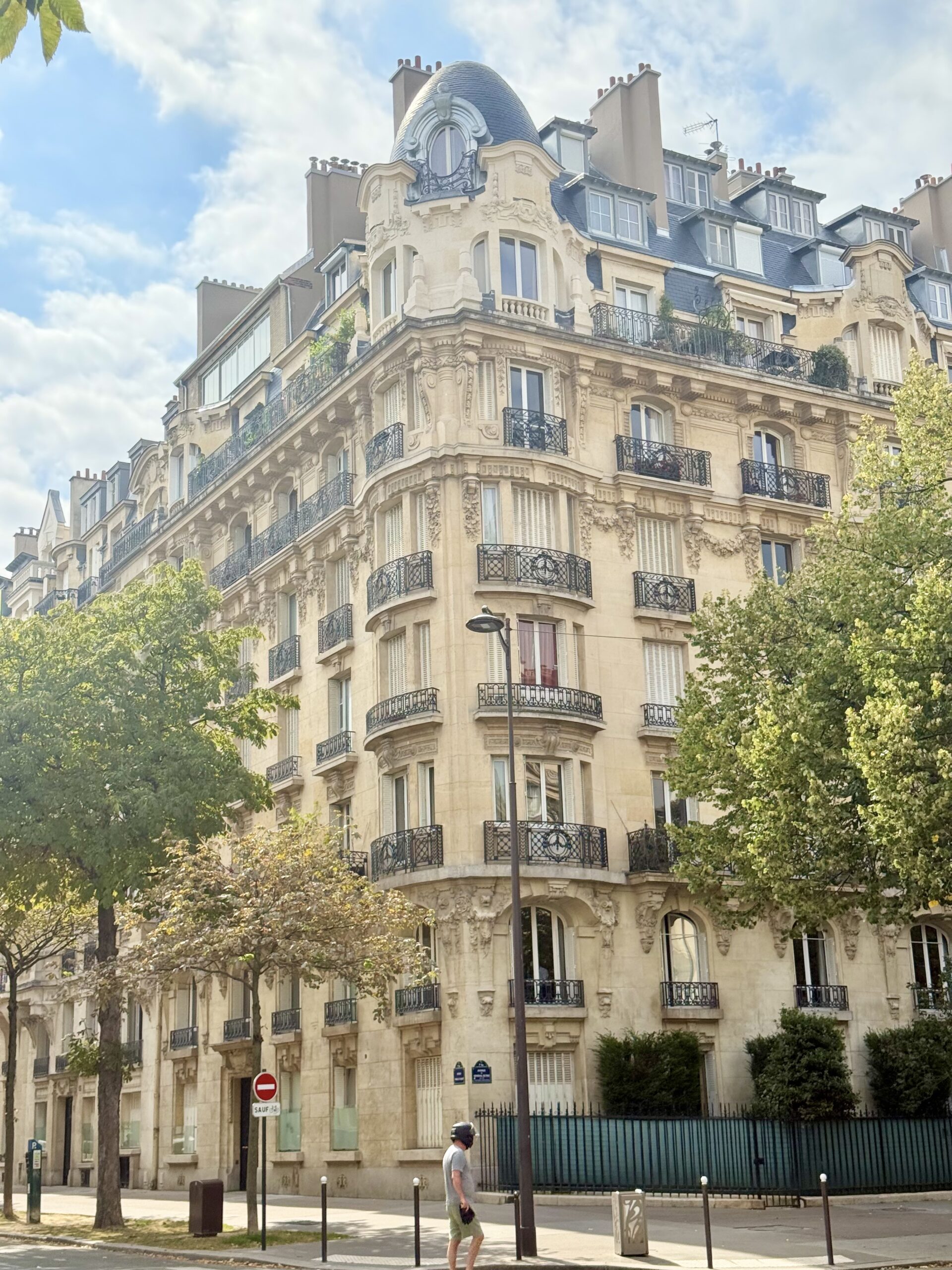
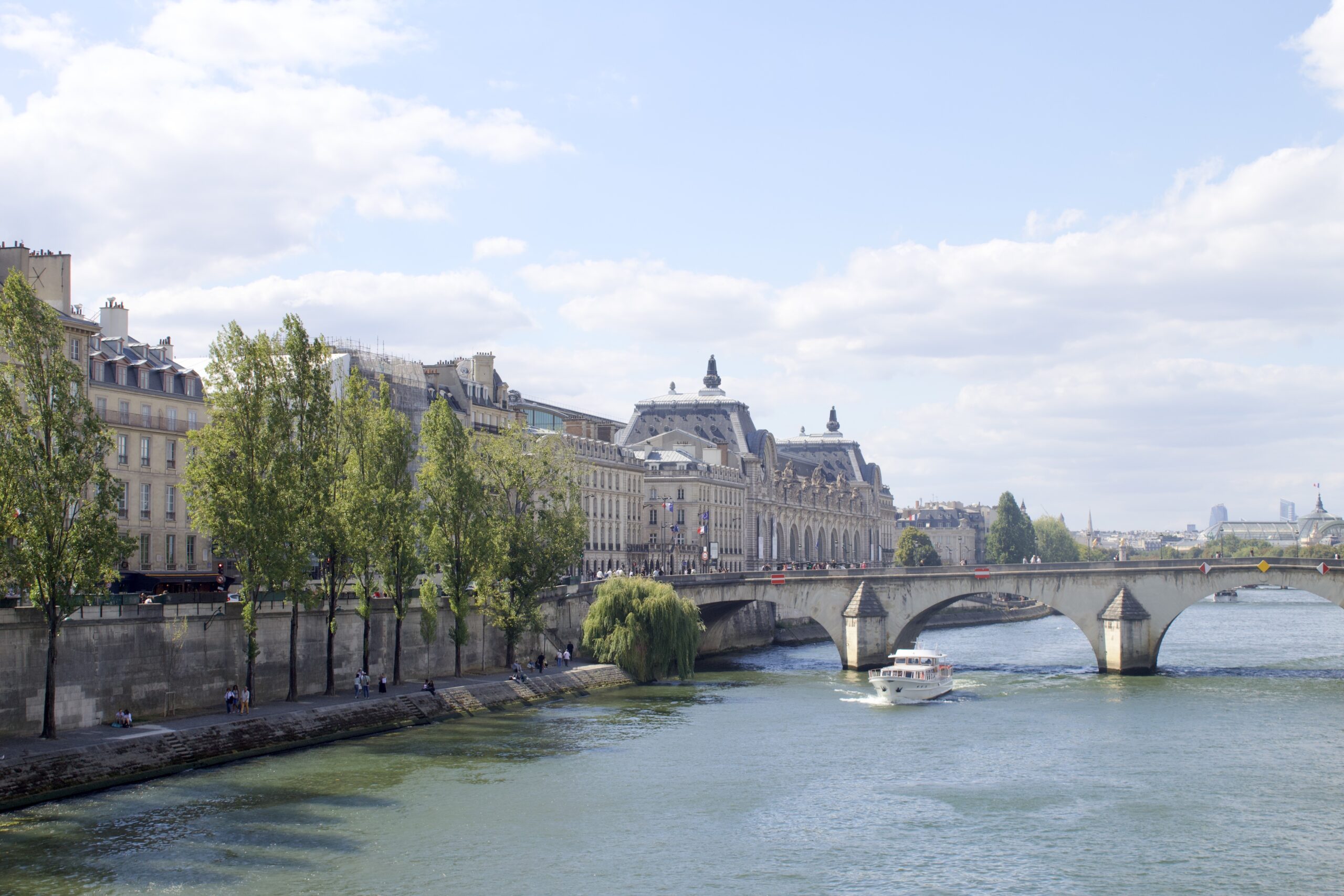
PAINTERS OF LIGHT: THE IMPRESSIONIST REBELLION
Paris exhales after Haussmann.
The boulevards stretch wide and bright, the parks bloom with deliberate elegance, and the river glides through the city with a new sense of openness. The chaos of revolution has faded. The thunder of empire has quieted. The dust of reconstruction has settled.
But beneath the calm surface, something stirs. Not anger. Not ambition. Not politics. Something softer. Something brighter. Something radical.
A rebellion of beauty.
It begins with light. Light that slips through the leaves of the Tuileries Gardens like golden threads. Light that dances across the Seine in shimmering fragments. Light that glows on Haussmann’s façades, turning stone into honey. Light that flickers across faces in cafés, revealing emotions too subtle for words.
Paris is drenched in light — and the artists feel it like a pulse beneath their skin.
They gather in studios that smell of turpentine and damp canvas.
They gather in cafés thick with smoke and debate.
They gather along the riverbanks, sketching the way sunlight breaks across water.
They are young.
They are restless.
They are defiant.
And they are ready to change the world.
Claude Monet stands at the edge of the Seine, his eyes narrowed against the morning glare.
He sees what others do not.
He sees not the river, but the way the river moves.
Not the buildings, but the way the buildings glow.
Not the sky, but the way the sky breathes.
He lifts his brush and begins to paint — not with precision, but with sensation.
Colors blur.
Shapes dissolve.
Light becomes the subject.
The river watches, mesmerized.
It has seen kings, revolutions, empires, and reconstruction.
But it has never seen itself captured like this — not as water, but as emotion.
Across the city, other artists feel the same awakening.
Pierre‑Auguste Renoir paints laughter — the way it sparkles in the eyes of women at the Moulin de la Galette, the way it ripples through crowds dancing beneath lanterns. His brush strokes are soft, warm, alive.
Edgar Degas paints movement — dancers stretching backstage, horses racing at Longchamp, women bending over washbasins. His lines are sharp, his angles bold, his compositions electric.
Camille Pissarro paints the city itself — boulevards shimmering in rain, markets bustling with life, rooftops glowing beneath winter skies. His canvases breathe with the rhythm of Paris.
Berthe Morisot paints intimacy — quiet moments, gentle gestures, the softness of domestic life. Her work is delicate but fierce, a rebellion wrapped in elegance.
Together, they form a new army. Not of soldiers. Not of revolutionaries. But of visionaries. The salons reject them. The official art world — rigid, traditional, suffocating — looks at their paintings with disdain.
“Unfinished,” the critics sneer.
“Childish.”
“Chaotic.”
“Insulting.”
The artists do not bow. They do not apologize. They do not retreat. They create their own exhibition — the Salon des Refusés, the Salon of the Rejected.
Paris laughs at first. Then Paris attends. Then Paris gasps. Because the paintings do something no art has done before. They move. They shimmer. They flicker. They breathe. They capture not the world as it is, but the world as it feels.
Monet’s Impression, Sunrise hangs on the wall like a challenge.
A blur of orange.
A haze of blue.
A suggestion of boats drifting through mist.
A critic mocks it.
“An impression,” he scoffs.
“A mere impression.”
The artists smile.
The word becomes their banner.
Their identity.
Their rebellion.
Impressionists.
Paris becomes their studio.
They paint in the Luxembourg Gardens, capturing the way sunlight filters through chestnut trees. They paint along the Seine, capturing reflections that shift with every ripple.
They paint in Montmartre, capturing the bohemian chaos of cafés and cabarets. They paint in the countryside beyond the city, capturing fields that glow beneath the rising sun. They chase light like hunters. They chase color like lovers. They chase truth like rebels. The river watches them with admiration.
It has seen revolutions of politics, revolutions of architecture, revolutions of power.
But this — this revolution of beauty — feels different.
It feels gentle.
It feels profound.
It feels eternal.
The city changes around them.
Haussmann’s boulevards become runways for light.
The new parks become theaters for color.
The cafés become laboratories of ideas.
The river becomes a mirror for their visions.
Paris becomes not just a city, but a muse.
The Impressionists do not paint Paris.
They reveal Paris.
They reveal its softness.
They reveal its warmth.
They reveal its soul.
But rebellion is never easy. Money is scarce. Critics are cruel. Success is uncertain. Monet struggles to pay rent. Renoir sells paintings for coins. Pissarro works tirelessly, often in isolation. Morisot fights prejudice with every brushstroke. Yet they continue. Because they are not painting for approval. They are painting for truth. And truth, once seen, cannot be unseen.
By the time the movement reaches its height, Paris has transformed again — not through demolition or decree, but through perception.
The city looks different.
Feels different.
Lives differently.
Light has become its language.
Color has become its heartbeat.
Beauty has become its rebellion.
The Impressionists have not merely painted Paris.
They have redefined it.
They have given the city a new identity — one that will endure long after their canvases dry, long after their critics fade, long after their names become legends.
Paris stands beneath the glow of their vision, radiant and eternal.
The river carries their reflections downstream, shimmering with gratitude.
The city prepares for its next transformation.
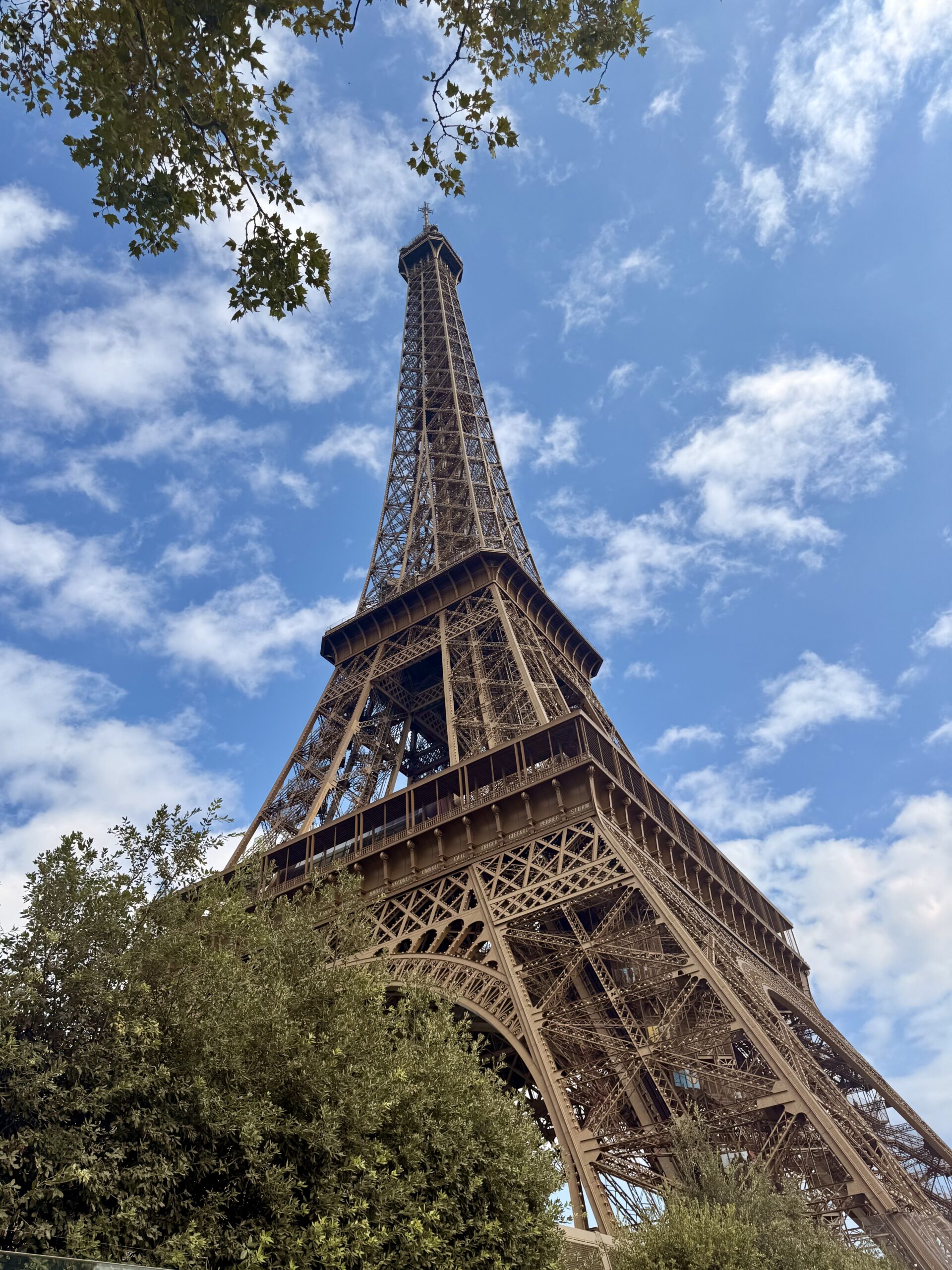
IRON GIANT: THE EIFFEL TOWER’S DEFIANT RISE
Paris enters the final decades of the 19th century with a new kind of confidence.
The Revolution has reshaped its soul.
Napoleon has reshaped its ambition.
Haussmann has reshaped its bones.
Now the city stands tall, elegant, modern — a masterpiece of boulevards, parks, and symmetry. But beneath the polished façade, a question stirs like a restless wind.
What comes next?
Paris has rebuilt itself. Paris has refined itself. Paris has declared itself. But Paris has not yet astonished itself. Not yet. The answer arrives in the form of a man with a mind made of steel.
Gustave Eiffel.
He is not a poet.
He is not a painter.
He is not a philosopher.
He is an engineer — a sculptor of iron, a dreamer of impossible structures, a man who sees beauty not in marble or canvas, but in rivets, beams, and the elegant mathematics of strength.
When he looks at Paris, he does not see a finished masterpiece. He sees a challenge.
The year is 1884.
Plans for the Exposition Universelle — the World’s Fair — begin to circulate. Paris wants a monument. Something bold. Something modern. Something that will declare to the world that France stands at the forefront of innovation.
Architects submit designs.
Artists propose sculptures.
Engineers sketch towers that reach modestly toward the sky.
Eiffel looks at them all and shakes his head.
Modesty is not what Paris needs.
Paris needs audacity.
He unfurls his design — a tower of iron, rising more than 300 meters into the air, taller than any structure humanity has ever dared to build. A tower that will pierce the clouds. A tower that will defy gravity. A tower that will change the skyline forever. Paris stares at the blueprint in stunned silence.
The backlash is immediate.
Writers call it monstrous.
Artists call it barbaric.
Architects call it an insult to beauty.
Newspapers publish furious letters.
“A giant smokestack.”
“A skeleton of iron.”
“A disgrace to Paris.”
The city that once embraced revolution now recoils from innovation.
But Eiffel does not flinch.
He stands before the critics with calm conviction.
“You will hate it now,” he says.
“But you will love it later.”
The river listens, intrigued.
Paris has seen many men with ambition.
But Eiffel’s ambition feels different — colder, sharper, more precise.
It feels inevitable.
Construction begins in 1887.
The Champ de Mars transforms into a battlefield of iron.
Workers swarm the site like ants, climbing scaffolds, hauling beams, hammering rivets with rhythmic intensity.
The sound of metal striking metal echoes across the city — a new kind of music, industrial and relentless.
The tower rises slowly at first.
A base of four massive legs, curved like the limbs of a titan, anchored deep into the earth.
Iron beams crisscross like veins.
Bolts tighten with the force of destiny.
Parisians gather at the edges of the construction site, watching with a mixture of horror and fascination. The tower grows. And grows. And grows.
By the time it reaches 100 meters, the critics fall silent.
By 150 meters, they begin to whisper.
By 200 meters, they begin to marvel.
By 250 meters, they begin to understand.
The tower is not a monster. It is a miracle. A miracle of engineering.A miracle of imagination. A miracle of courage. Paris has never seen anything like it. The river reflects its rising silhouette, shimmering with awe.
The final rivet is hammered into place in March 1889.
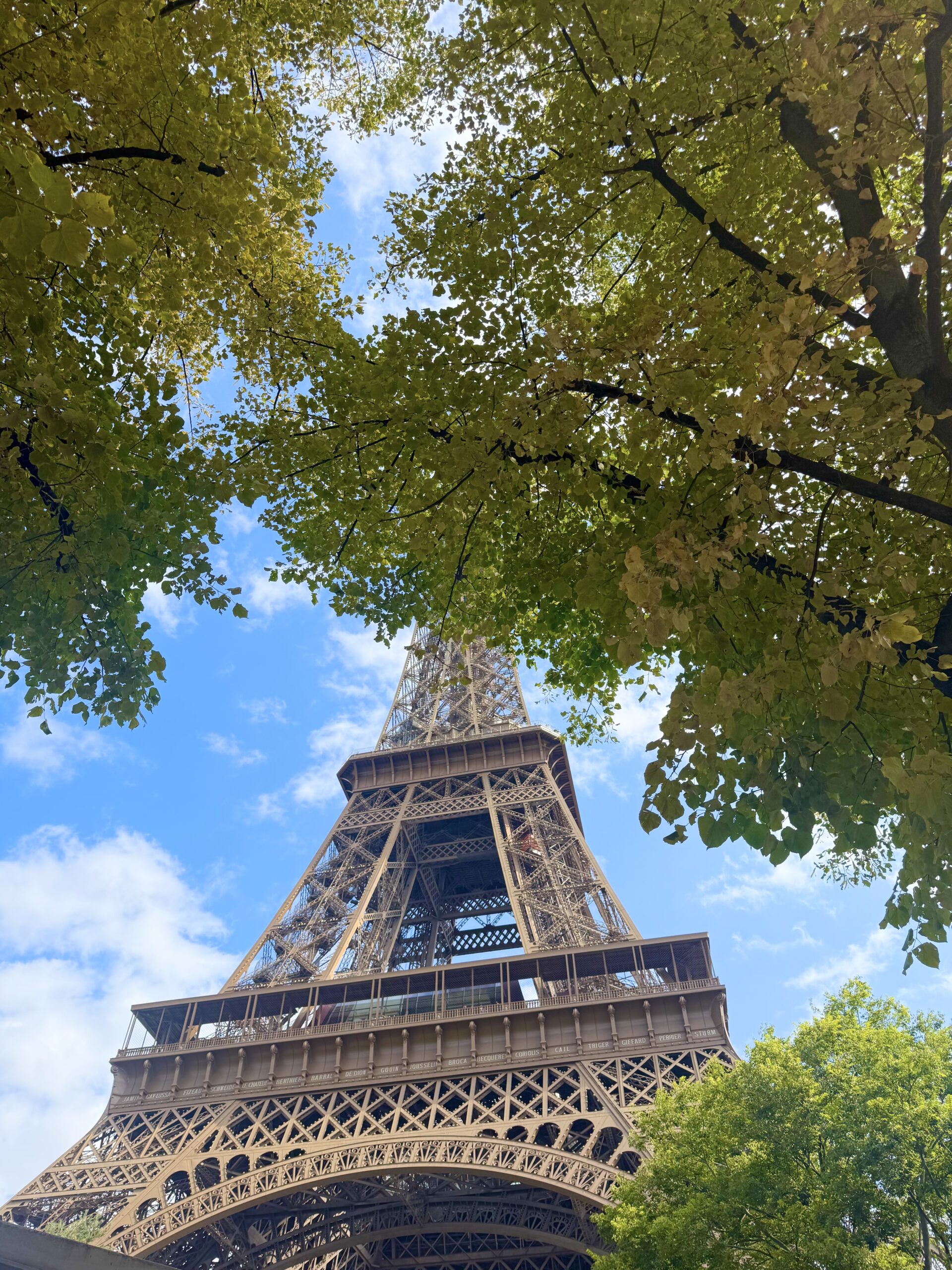
The Eiffel Tower stands complete — a colossal iron giant, shimmering in the sunlight, its latticework delicate yet powerful, its form both graceful and defiant. It is not merely tall. It is transcendent.
The city gathers beneath it, thousands of people staring upward with mouths open, eyes wide, hearts pounding.
The tower seems to breathe. It seems to pulse. It seems to speak. It says:
Paris is not finished.
Paris will never be finished.
Paris will always rise.
The Exposition Universelle opens.
Visitors flood the Champ de Mars, their footsteps echoing beneath the iron arches.
They ascend the tower’s platforms, climbing higher and higher until Paris stretches beneath them like a living map — boulevards glowing, rooftops shimmering, the Seine winding like a silver ribbon through the heart of the city.
The view is breathtaking.
The tower is triumphant.
Paris is transformed.
The critics vanish.
The doubters fade.
The tower becomes beloved.
It becomes the symbol of Paris — not because it is beautiful, but because it is bold.
Paris has always been a city of defiance.
The Eiffel Tower is defiance made visible.
But the tower’s story does not end with admiration.
It becomes a beacon.
During storms, lightning strikes its peak, illuminating the sky with electric fire.
During wars, it stands unbroken, a sentinel watching over the city.
During celebrations, it glows with lights that shimmer like stars.
It becomes a stage for lovers.
A muse for artists.
A challenge for climbers.
A dream for children.
It becomes the heartbeat of Paris.
By the end of the century, the Eiffel Tower is no longer controversial.
It is inevitable.
It is eternal.
It is Paris.
The river carries its reflection downstream, shimmering with pride.
The city prepares for the next chapter — a chapter of shadows, courage, and liberation.
WAR SHADOWS: OCCUPATION AND LIBERATION
Paris enters the 20th century with elegance.
The Eiffel Tower rises like a beacon of modernity.
The boulevards pulse with life. Artists fill Montmartre with colour. Writers fill cafés with smoke and ideas.
Jazz drifts through the night like a whispered promise. Paris feels invincible. But invincibility is an illusion. And illusions shatter.
The first shadow falls in 1914. War erupts across Europe with a roar that shakes nations. Paris braces itself, its streets filling with soldiers marching toward the front. Women wave handkerchiefs from balconies. Children cheer with innocent excitement. The river carries their reflections downstream, shimmering with hope and fear.
The city prepares for siege.
Barricades rise.
Lights dim.
Church bells toll with solemn urgency.
But the German advance halts at the Marne. Paris is spared. The city exhales — but not fully. The shadow remains.
The second shadow arrives in 1940. This time, Paris cannot escape. The German army marches toward the city with terrifying precision. Tanks roll across fields. Planes roar overhead. Soldiers advance like an unstoppable tide. Paris trembles.
The government flees.
Citizens panic.
The river grows dark, its currents heavy with dread.
On June 14th, German troops enter Paris.
The occupation begins.
The city falls silent.
The cafés close early.
The theatres dim their lights.
The boulevards lose their laughter.
The Eiffel Tower stands tall but powerless, its iron bones cold beneath the gray sky. German flags hang from buildings like wounds. Soldiers patrol the streets with rigid steps. Checkpoints rise like scars across the city. Paris becomes a stage of fear.
But beneath the silence, something stirs. Not rebellion — not yet. Something quieter. Something sharper. Something dangerous.
Resistance.
It begins with whispers.
A message passed in a bakery.
A coded note slipped beneath a café table.
A radio broadcast hidden in the static of night.
The river hears these whispers and carries them gently, protectively.
Paris has been occupied before.
Paris has survived before.
Paris knows how to fight — even when fighting must be done in shadows.
The Resistance grows.
Students.
Workers.
Artists.
Priests.
Women who carry messages in baskets.
Men who sabotage rail lines under moonlight.
Children who deliver notes no one suspects they carry.
They move through the city like ghosts.
Silent.
Invisible.
Determined.
The Germans sense them but cannot catch them. The city protects its own. But occupation is cruel. Curfews choke the night. Rations starve families. Arrests tear loved ones from their homes. The Gestapo prowls the streets like predators. Notre‑Dame’s bells ring less often. The river flows more slowly, as if mourning. The Eiffel Tower stands in defiance, but even its iron seems dimmer.
Paris suffers.
Paris endures.
Then, in 1944, the tide turns. Allied forces advance across France. The Resistance grows bolder. Whispers become shouts. Sabotage becomes open defiance.
Paris feels the shift — a tremor of hope beneath the weight of fear.
On August 19th, the uprising begins.
Shots ring out near the Hôtel de Ville.
Barricades rise across boulevards.
Citizens flood the streets, armed with whatever they can find — rifles, pistols, kitchen knives, courage.
The city roars.
The battle for Paris is fierce. German tanks roll through the streets. Resistance fighters fire from windows. Smoke rises from burning vehicles. The river reflects flames that dance across its surface like ghosts of war. But Paris refuses to fall again. Not to fear.Not to tyranny. Not to silence.
The city fights with everything it has.
On August 25th, the Allies enter Paris.
The 2nd Armored Division marches through the Arc de Triomphe, its tanks rumbling like thunder.
Crowds surge forward, cheering, crying, embracing soldiers with desperate joy.
Flags wave from windows.
Church bells ring with wild abandon.
The Eiffel Tower glows with sunlight, brighter than it has in years.
General Charles de Gaulle walks through the city with unshakable resolve, his voice rising above the chaos.
“Paris! Paris outraged! Paris broken! Paris martyred! But Paris liberated!”
The words echo across the boulevards like a victory cry.
The river carries them downstream, triumphant. The occupation ends. The shadows lift. The city breathes again. The cafés reopen. Music returns. Laughter returns. Light returns.
Paris is wounded — deeply, painfully — but it is alive.
And survival is its greatest triumph. In the years that follow, the city rebuilds not just its streets, but its spirit.
Artists return to Montparnasse.
Writers fill Saint‑Germain with ideas.
Jazz pulses through smoky clubs.
Cinema blooms.
Fashion rises.
Culture explodes.
Paris becomes Paris again — not because it forgets the war, but because it remembers.
The city carries its scars with pride.
Its courage with dignity.
Its resilience with quiet strength.
The river flows on, reflecting a city reborn.
Paris has endured darkness.
Paris has reclaimed light.
Paris prepares for the next chapter — a chapter of beauty, elegance, and spectacle.
THE STAGE OF STYLE: FASHION’S REIGN
Paris enters the mid‑20th century with scars still visible, but its spirit unbroken.
The war has ended. The occupation has lifted.
The city breathes again — slowly at first, then with growing confidence, then with unmistakable flair.
The Seine reflects a new kind of light. Not the light of revolution. Not the light of empire. Not the light of reconstruction. A softer light. A glamorous light.
A light that glimmers on silk, dances on satin, and flickers across the polished windows of couture houses.
Paris is ready to reinvent itself once more. This time, through beauty.
It begins with a silhouette. A silhouette that curves like a whisper. A silhouette that defies the austerity of wartime. A silhouette that announces, boldly and unapologetically, that elegance has returned.
Christian Dior unveils his New Look in 1947.
The moment feels cinematic — a fashion show that becomes a revolution.
Models glide down the runway in skirts that bloom like flowers, waists cinched tight, shoulders soft, fabrics luxurious and abundant.
The audience gasps.
Some in admiration.
Some in shock.
After years of rationing, simplicity, and survival, Dior’s designs feel almost scandalous.
But Paris understands.
Paris has always understood beauty as rebellion.
The New Look spreads through the city like wildfire.
Women rush to ateliers, craving the return of femininity, luxury, and grace.
Men stare in awe as silhouettes transform the streets into runways.
Couture houses awaken from wartime slumber, their doors opening like portals to a world reborn.
The river watches the transformation with delight.
It has seen revolutions of politics, revolutions of architecture, revolutions of art.
Now it witnesses a revolution of elegance.
Fashion becomes the heartbeat of Paris.
The Rue du Faubourg Saint‑Honoré pulses with creativity.
The Avenue Montaigne glows with glamour.
The Place Vendôme shimmers with jewels that catch the sunlight like captured stars.
Designers rise like constellations.
Coco Chanel returns, her suits sharp, her pearls luminous, her vision timeless.
She rejects excess, embraces simplicity, and shapes a new kind of power — quiet, refined, unstoppable.
Givenchy emerges with silhouettes that float like dreams, dressing Audrey Hepburn in styles that become cinematic legends.
Balenciaga sculpts fabric like stone, creating shapes that defy gravity and expectation.
Yves Saint Laurent arrives with fire in his eyes, daring to blur boundaries, daring to challenge tradition, daring to make fashion dangerous again.
Paris becomes a kingdom of couture.
The fashion houses are not merely studios.
They are temples.
Inside, seamstresses work with the devotion of monks, stitching beads with trembling precision, shaping fabrics with reverence, whispering secrets to the garments they bring to life.
The sound of scissors slicing silk becomes a sacred rhythm.
The scent of new fabric fills the air like incense.
The mannequins stand like silent priestesses, waiting to be adorned.
Paris worships beauty — not as vanity, but as art.
The shows become spectacles.
Models glide through salons with the grace of dancers.
Cameras flash like lightning.
Critics scribble notes with frantic urgency.
Celebrities arrive in waves, their presence turning runways into stages of global attention.
The city transforms into a theatre.
Every street becomes a catwalk.
Every café becomes a meeting place for designers, editors, and muses.
Every night becomes a celebration of creativity.
Paris does not simply wear fashion.
Paris performs fashion.
But beneath the glamour lies something deeper.
Fashion becomes a language — a way for the city to express its resilience, its confidence, its identity.
After war, fashion becomes healing.
After occupation, fashion becomes defiance.
After darkness, fashion becomes light.
Paris uses beauty to reclaim its soul.
The 1960s arrive with a new kind of electricity.
Saint Laurent introduces Le Smoking, the tuxedo for women — sharp, bold, scandalous.
The city gasps again, but this time with admiration.
Women step into the night wearing suits that challenge tradition, power, and expectation.
Their heels click against the pavement like declarations.
Their silhouettes cut through the air like blades.
Paris watches, proud.
Fashion is no longer just elegance.
Fashion is liberation.
The decades that follow bring waves of transformation.
The 1970s shimmer with bohemian freedom — flowing fabrics, wild patterns, untamed silhouettes.
The 1980s explode with excess — bold shoulders, bright colors, unapologetic glamour.
The 1990s refine everything — minimalism, sophistication, quiet luxury.
Through it all, Paris remains the epicenter.
Designers come and go.
Trends rise and fall.
But the city’s influence never fades.
Paris is not just a capital of fashion.
Paris is fashion.
The river reflects it all.
The shimmer of sequins.
The glow of runway lights.
The elegance of silhouettes drifting along the boulevards.
The confidence of models striding across bridges during photoshoots.
The Seine becomes a mirror for beauty.
It carries the reflections of gowns, suits, jewels, and dreams downstream, whispering them to the rest of the city.
Paris listens.
Paris smiles.
Paris shines.
By the end of the century, fashion is no longer a chapter in Paris’s story.
It is the story.
The city has become a stage where beauty is power, elegance is rebellion, and style is destiny.
The Eiffel Tower glows during Fashion Week.
The Louvre hosts runway shows beneath its glass pyramid.
The streets fill with photographers, models, designers, and dreamers.
Paris stands at the center of the world — not because of its monuments, not because of its history, but because of its ability to transform itself again and again through the art of appearance.
Fashion is not superficial.
Fashion is survival.
Fashion is identity.
Fashion is Paris.
THE FEAST OF THE SENSES: PARISIAN GASTRONOMY
Paris wakes differently when food is involved. Not with bells. Not with footsteps. Not with the hum of traffic.
Paris wakes with aromas.
The scent of butter melting in copper pans.
The perfume of fresh bread rising from bakery ovens.
The whisper of coffee drifting through open windows.
The sweetness of fruit arranged in markets like jewels.
The Seine carries these scents across the city, weaving them into a tapestry of anticipation. Paris is hungry. Paris is ready. Gastronomy is not merely food in Paris. It is ritual. It is identity.
It is art.
And it begins at dawn. The boulangeries open first. Their lights flicker on like stars returning to the sky. Bakers emerge from the back rooms, faces dusted with flour, hands already moving with practiced grace.
They shape dough with reverence, folding, rolling, stretching, coaxing life into every loaf.
The first baguettes slide into ovens, their crusts crackling as they rise.
Croissants puff into golden crescents, layers crisp and delicate.
Pain au chocolat melts into decadence.
The smell drifts into the streets, irresistible.
People follow it like pilgrims.
The river inhales deeply, savoring the scent.
Next come the markets.
The Marché d’Aligre.
The Marché des Enfants Rouges.
The Marché Bastille.
Stalls burst into color — tomatoes glowing like rubies, apricots soft as velvet, herbs fragrant enough to make passersby pause.
Fish glisten on ice.
Cheeses sit in wheels and wedges, each one a universe of flavor.
Butchers arrange cuts with pride, their knives flashing like silver lightning.
Vendors shout greetings.
Customers laugh.
Children tug at sleeves, begging for samples.
The market is not commerce.
It is theatre.
Paris performs food.
By midday, the bistros awaken.
Small tables spill onto sidewalks.
Chalkboards list menus written in looping script.
Waiters glide between chairs with effortless choreography.
The dishes arrive like characters in a play.
Onion soup bubbling beneath a blanket of cheese.
Steak frites sizzling beside golden potatoes.
Duck confit glistening with crisp skin.
Salads tossed with mustard vinaigrette sharp enough to make eyes widen.
Wine glasses catch the sunlight, turning it into liquid fire.
The river watches, amused.
Paris does not simply eat.
Paris celebrates.
But the true magic happens behind closed doors — in the temples of haute cuisine.
Restaurants where silence is reverent.
Where chefs move like dancers.
Where plates are canvases.
Where flavors are symphonies.
Auguste Escoffier once ruled these kitchens, shaping modern French cuisine with discipline and imagination. His legacy lingers in every sauce, every garnish, every precise movement of a chef’s hand.
Later, Paul Bocuse brings revolution — lighter dishes, fresher ingredients, bold creativity.
Nouvelle cuisine rises like a new dawn. Paris embraces it all. In the kitchens, the atmosphere is electric. Copper pots gleam. Knives flash. Steam curls upward like ghosts escaping from boiling water. Chefs shout commands, their voices sharp but passionate. Plates emerge with breathtaking beauty.
Foie gras arranged like sculpture.
Bouillabaisse glowing with saffron.
Coq au vin dark and rich, its aroma deep as memory.
Tarte Tatin caramelized to perfection, its sweetness almost sinful.
Every dish tells a story.
Every flavor carries history.
Every bite is a moment of transcendence.
Paris tastes like emotion.
The cafés add another layer to the city’s feast.
Writers gather with notebooks.
Artists sketch strangers.
Students argue philosophy.
Tourists sip espresso with wide‑eyed wonder.
The clink of cups becomes a rhythm.
The hiss of steam becomes a melody.
The murmur of conversation becomes a soundtrack.
Café culture is not about caffeine.
It is about connection.
Paris drinks slowly, thoughtfully, beautifully.
As evening falls, the brasseries glow with warm light.
Red banquettes.
Mirrored walls.
Waiters in crisp aprons.
Menus filled with classics.
Choucroute garnie.
Sole meunière.
Escargots swimming in garlic butter.
Beef bourguignon simmered to tenderness.
The atmosphere is lively, loud, joyful.
Paris eats with laughter.
And then comes night.
The city transforms again.
The Seine reflects the lights of restaurants along its banks.
Couples dine on terraces overlooking the water.
Chefs prepare tasting menus that unfold like stories — course after course, flavor after flavor, revelation after revelation.
Champagne flows.
Candles flicker.
Desserts arrive with elegance — macarons, éclairs, mille‑feuille, chocolate mousse dark as midnight.
Paris indulges.
Paris surrenders.
Paris feasts.
Gastronomy is not a chapter in Paris’s story.
It is the story.
It is the way the city expresses love, memory, rebellion, joy, sorrow, and celebration.
It is the way Paris survives.
It is the way Paris seduces.
It is the way Paris shines.
The river carries the aromas downstream, whispering them to the night.
Paris listens.
Paris smiles.
Paris savours.
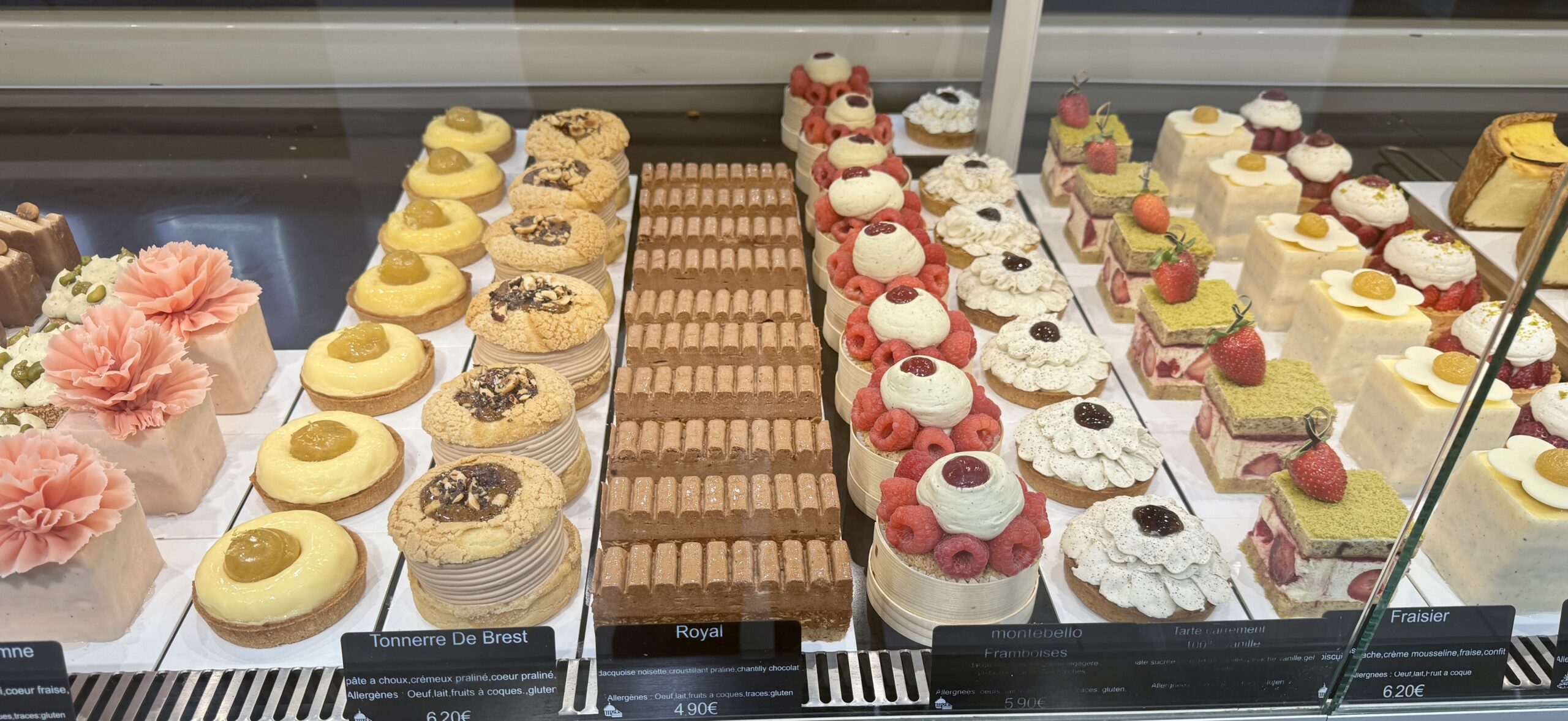
LOVE IN THE LAMPLIGHT: ROMANCE REIMAGINED
Paris changes when the sun sets.
The boulevards soften.
The river slows.
The city exhales, shedding the urgency of day and slipping into something gentler, quieter, more intimate.
Night in Paris is not darkness.
Night in Paris is glow.
A glow from streetlamps that curve like golden halos.
A glow from windows where laughter spills into the air.
A glow from cafés where candles flicker like tiny beating hearts.
A glow from the Seine, shimmering with reflections that look like memories drifting across water.
Paris becomes a city made for love.
Not loud love.
Not dramatic love.
But love that moves like a whisper.
It begins on the bridges.
The Pont des Arts, where footsteps echo softly against wooden planks.
The Pont Neuf, where shadows stretch long and elegant.
The Pont Alexandre III, where lamps rise like gilded sentinels guarding the night.
Couples walk slowly, their hands brushing, their voices low.
The river listens, carrying their murmured words downstream like secrets.
Paris does not rush romance.
Paris lets it unfold.
In Montmartre, the streets twist like threads of a story.
Artists pack away their brushes.
Musicians tune their instruments.
Cafés glow with warm light, their terraces filled with people leaning close, sharing wine, sharing stories, sharing glances that linger just a moment too long.
The Basilique du Sacré‑Cœur rises above the hill, white and luminous, watching over the city like a guardian of dreams.
Below it, love blooms quietly.
A woman sits at a café table, her fingers wrapped around a glass of red wine.
A man passes by, pauses, smiles.
She smiles back.
It is nothing.
It is everything.
Paris understands that love begins in moments like these — small, fragile, unexpected.
In Saint‑Germain‑des‑Prés, jazz drifts through the night.
The Café de Flore hums with conversation.
The Les Deux Magots glows with nostalgia.
The air tastes of espresso, cigarette smoke, and possibility.
Inside a dimly lit bar, a saxophone plays a slow, aching melody.
A couple dances in the corner, their movements soft, their bodies close, their eyes locked in a world where nothing exists except the rhythm between them.
Paris does not judge.
Paris does not intrude.
Paris simply watches, quietly proud.
On the Île Saint‑Louis, romance becomes stillness.
Narrow streets lined with old stone.
Balconies draped with flowers.
Shutters painted in soft pastels.
The sound of footsteps echoing gently against the quiet.
Here, love feels timeless — as if it has existed for centuries, as if the island itself remembers every kiss, every embrace, every whispered promise.
A couple sits on the riverbank, legs dangling over the edge.
They share ice cream from Berthillon, laughing as it melts too quickly.
The lamplight catches their faces, turning them into silhouettes of tenderness.
The river sighs, content.
But the true magic of Parisian romance happens not in grand gestures, but in small ones.
A hand brushing against another on a crowded metro.
A shared umbrella during a sudden rain.
A smile exchanged across a café.
A quiet walk through the Jardin du Luxembourg, where chairs sit scattered like invitations to linger.
Love in Paris is not a performance.
It is a presence.
It is the way two people lean toward each other without realizing it.
It is the way their voices soften.
It is the way the city seems to glow a little brighter around them.
Paris does not create love.
Paris reveals it.
The Seine becomes the city’s most intimate witness.
At night, its surface reflects the lamplight in shimmering ribbons.
Boats glide slowly, their lights casting warm halos across the water.
Couples stand along the quays, their silhouettes framed by the glow.
Some talk.
Some kiss.
Some simply stand together, silent, watching the river flow.
The Seine carries their reflections gently, protectively.
It has seen revolutions, empires, wars, and rebirth.
But nothing moves it more than two people standing close enough to feel each other’s heartbeat.
Romance in Paris is not always perfect.
Sometimes it is messy.
Sometimes it is complicated.
Sometimes it is fleeting.
A couple argues beneath a streetlamp, their voices sharp, their faces tense.
Another sits alone at a café, staring at an untouched drink.
A woman walks along the riverbank with tears in her eyes, the city’s glow blurring through them.
Paris does not hide heartbreak.
Paris embraces it.
Because love, even when painful, is still part of the city’s story.
The river carries sorrow as gently as joy.
But Paris always offers hope.
A new glance.
A new smile.
A new beginning.
Love in Paris is not a single moment.
It is a thousand moments.
It is a lifetime of moments.
It is the way the city holds you, softly, warmly, insistently, until you believe again.
By midnight, the city becomes quieter.
The bridges empty.
The cafés dim.
The music fades.
But the lamplight remains — soft, golden, eternal.
Paris glows for lovers.
Paris glows for dreamers.
Paris glows for anyone who has ever felt their heart quicken in the presence of another.
Love in Paris is not a chapter.
It is the essence.
It is the heartbeat.
It is the lamplight that never goes out.
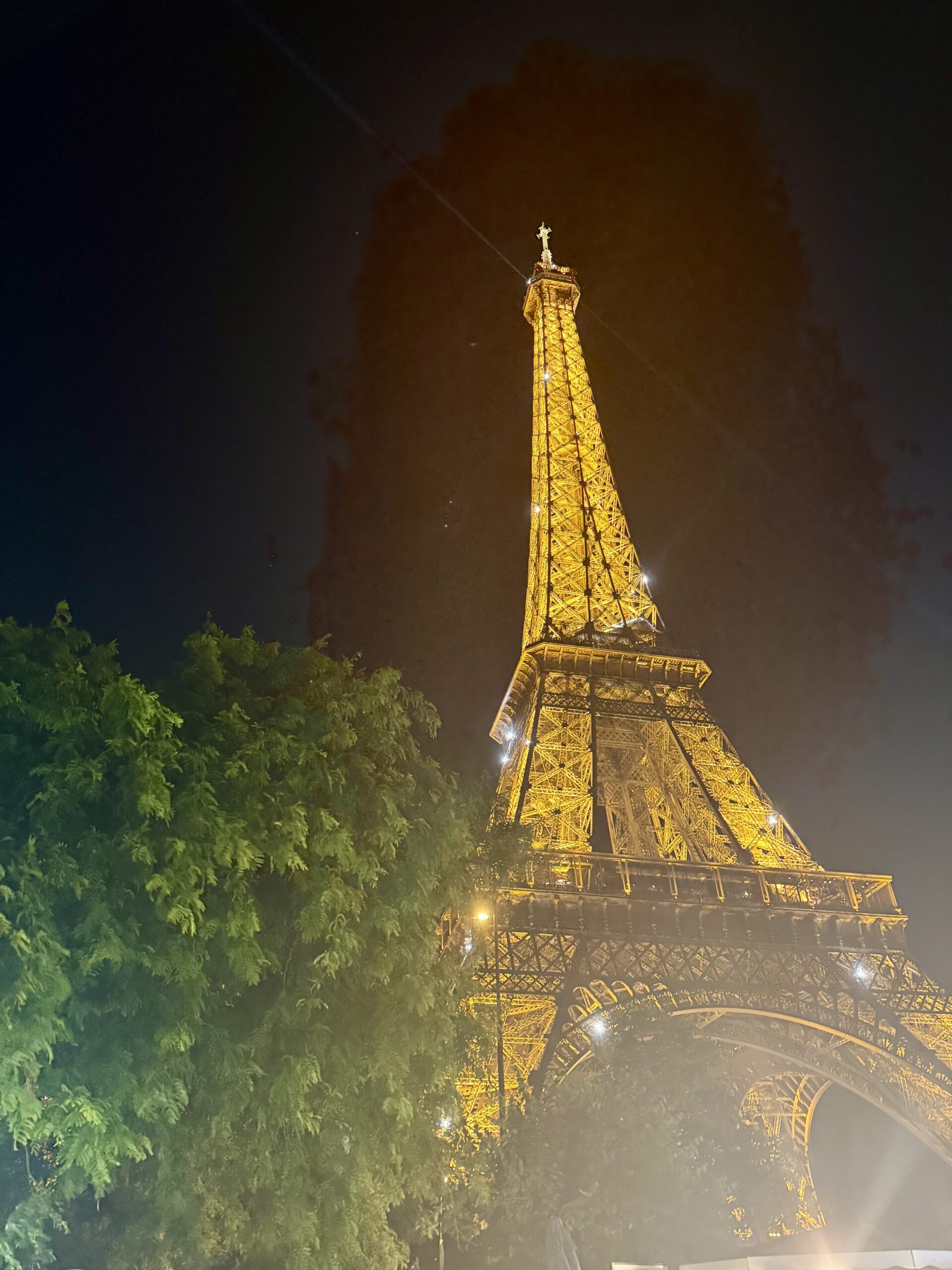
THE CITY ETERNAL: PARIS BEYOND TIME
Paris stands at the edge of the 21st century with a confidence earned through centuries of fire, beauty, ambition, and reinvention.
The Seine flows as it always has — steady, ancient, patient.
The boulevards stretch wide and elegant.
The monuments rise like chapters carved in stone.
The cafés hum with life.
The lamplight glows with quiet magic.
But something has changed.
Paris is no longer just a city.
Paris is a story — a story written across centuries, carried by the river, whispered by the stones, illuminated by the lights that never go out.
A story that refuses to end.
Morning arrives softly.
The sun climbs over the rooftops, turning chimneys into silhouettes and windows into mirrors of gold.
The river glitters.
The bridges stretch like arms welcoming the day.
The city awakens with a familiar rhythm — footsteps, laughter, the clatter of cups, the rustle of newspapers.
But beneath the everyday sounds lies something deeper.
A heartbeat.
Paris breathes with memory.
The past is everywhere.
In the shadow of Notre‑Dame, where centuries of devotion still echo.
In the arches of the Louvre, where kings once walked and masterpieces now live.
In the cobblestones of the Marais, where revolutionaries once marched.
In the iron bones of the Eiffel Tower, where ambition became architecture.
In the boulevards Haussmann carved with ruthless precision.
In the cafés where writers shaped ideas that changed the world.
In the ateliers where designers stitched dreams into fabric.
Paris carries its history not like a burden, but like a crown.
Yet the city does not remain still.
It evolves.
Glass towers rise in La Défense, gleaming like modern sentinels.
Electric scooters hum along the quays.
Tech startups fill old industrial buildings with new energy.
Artists paint murals on forgotten walls.
Chefs reinvent classics with daring creativity.
Fashion houses blend tradition with innovation.
Paris becomes a mosaic — old and new, past and future, memory and possibility.
The river watches, amused.
It has seen Paris reinvent itself countless times.
It knows reinvention is the city’s greatest talent.
At night, the transformation becomes luminous.
The Eiffel Tower sparkles, its lights flickering like stars caught in iron.
The Opéra Garnier glows with golden grandeur.
The Louvre Pyramid shines like a crystal heart.
The bridges shimmer with lamplight.
The Seine reflects it all, turning the city into a dream floating on water.
Paris at night is not darkness.
Paris at night is revelation.
People move through the city like characters in a film.
A woman walks along the riverbank, her coat trailing behind her like a shadow.
A man sketches the skyline from the Pont Neuf, his pencil capturing the glow of lamplight.
A couple sits on the steps of Montmartre, sharing a quiet moment as the city stretches beneath them like a living tapestry.
Friends laugh outside a café, their voices rising into the night like sparks.
Paris is not just a place.
Paris is an experience.
The city holds everyone differently.
For some, Paris is romance — soft, warm, glowing.
For others, Paris is ambition — sharp, electric, unstoppable.
For others still, Paris is memory — bittersweet, fragile, eternal.
But for all, Paris is possibility.
A place where dreams feel closer.
A place where beauty feels inevitable.
A place where time feels gentle.
The Seine flows through the city like a narrator.
It remembers everything — the triumphs, the tragedies, the revolutions, the rebirths.
It carries reflections of monuments and faces, blending past and present into a single shimmering story.
At night, the river whispers.
It whispers to the bridges.
It whispers to the stones.
It whispers to the city.
And the city listens.
Paris is eternal not because it refuses to change, but because it changes beautifully.
It grows without losing its soul.
It modernizes without forgetting its past.
It dazzles without becoming hollow.
It loves without fear.
Paris is a city that understands that time is not an enemy, but a collaborator.
Every century adds a new layer.
Every generation adds a new voice.
Every moment adds a new memory.
As dawn approaches again, the city glows with quiet anticipation.
The river shimmers.
The rooftops blush with early light.
The cafés prepare their first cups of coffee.
The boulevards stretch awake.
The monuments stand tall, ready to witness another day.
Paris breathes.
Paris waits.
Paris continues.
Because Paris is not a chapter.
Paris is not a story.
Paris is not a moment.
Paris is eternity.
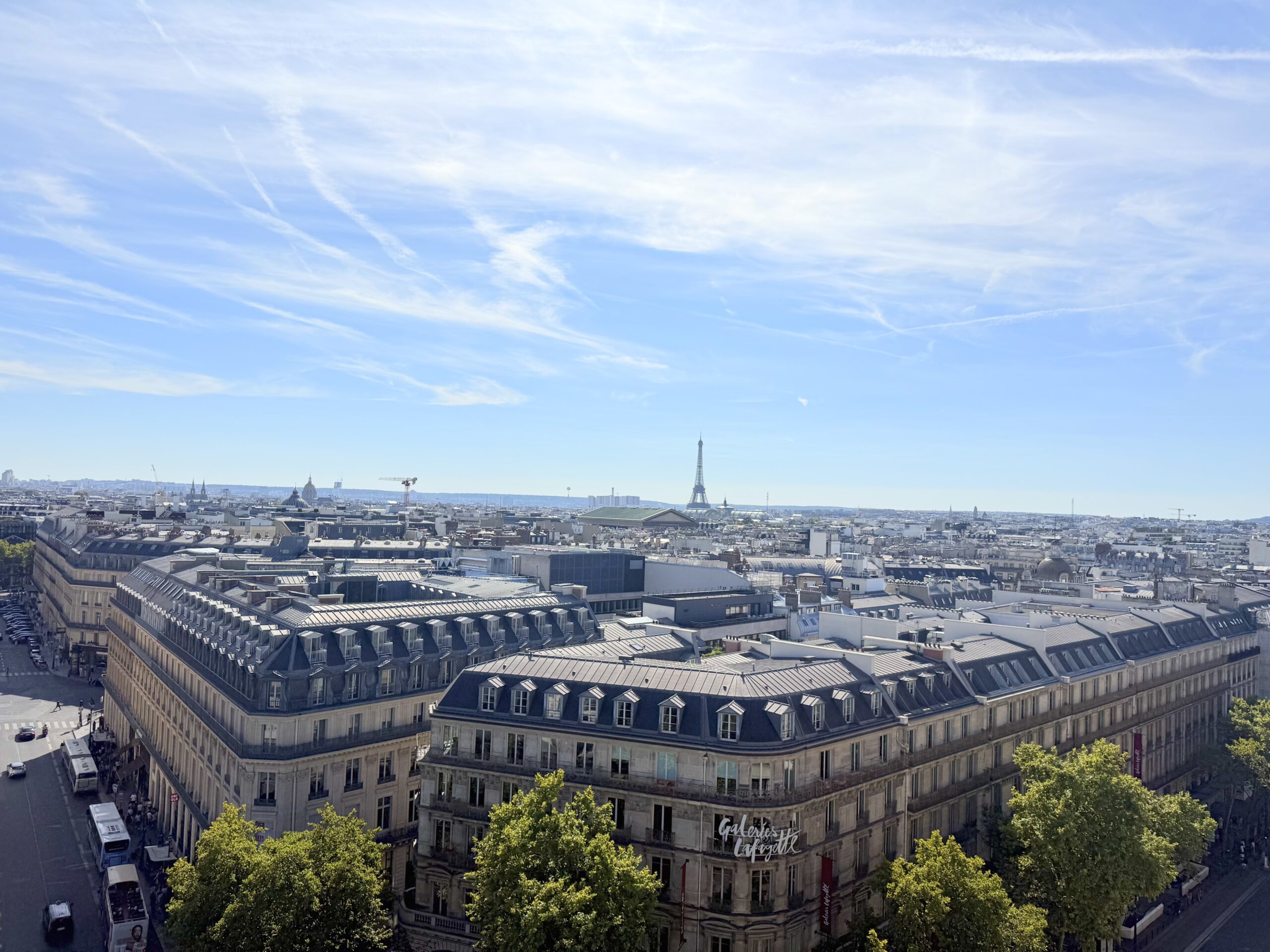
FINAL THOUGHT — THE CITY THAT REMEMBERS YOU
Paris does not end when the story ends.
It lingers.
In the mind.
In the memory.
In the quiet spaces between thoughts.
In the soft ache of longing that arrives unexpectedly, like the scent of bread drifting from an unseen bakery.
Paris is not a chapter you close.
Paris is a place that follows you.
The Seine flows as it always has — steady, ancient, unhurried.
Its waters carry reflections of centuries, blending past and present into a single shimmering ribbon.
The river remembers everything, but it never clings.
It simply moves forward, gently, gracefully.
Paris is the same.
It remembers you.
But it does not hold you back.
It waits.
The monuments stand tall, unchanged yet ever‑changing.
Notre‑Dame, scarred but unbroken, still rises with the quiet strength of faith.
The Eiffel Tower still glows at night, its lights flickering like stars caught in iron.
The Louvre still guards its treasures, whispering stories through marble and canvas.
The boulevards still stretch wide, welcoming footsteps from every corner of the world.
Paris is eternal not because it refuses to change, but because it changes beautifully.
But the true Paris — the Paris that stays with you — is not made of monuments.
It is made of moments.
A lamplight flickering against a rain‑soaked street.
A violinist playing beneath the arches of the Pont Saint‑Louis.
A waiter smiling as he sets down a cup of coffee.
A stranger offering directions with effortless warmth.
A breeze carrying the scent of river water and warm pastries.
A quiet heartbeat felt while standing on a bridge at dusk.
These moments are small.
But they are the ones that stay.
Paris is built from them.
And somewhere in the city — in a drawer of an archive, in a museum, in a memory — Étienne Morel’s maps still exist.
Maps not of streets, but of feelings.
Maps not of geography, but of time.
Maps not of Paris, but of the soul of Paris.
He is gone.
Claire is gone.
Generations have passed.
But the city they loved remains.
Paris remembers them.
Paris remembers everyone who has ever walked its streets with wonder.
Paris remembers you.
The city does not ask you to stay.
It simply asks you to return.
Not physically — though it welcomes that.
But in thought.
In imagination.
In the quiet moments when your mind drifts and you find yourself walking again along the Seine, hearing the soft murmur of water beneath the bridges.
Paris is not a destination.
Paris is a companion.
A presence.
A whisper.
A glow.
As the camera pulls back — slowly, gently — the city becomes a constellation of lights.
The river glimmers.
The rooftops stretch like waves.
The monuments rise like guardians.
The lamplight glows like memory.
And somewhere in the distance, a single streetlamp flickers — warm, golden, eternal.
Paris breathes.
Paris waits.
Paris continues.
And the story, though finished, never truly ends.
Because Paris is not a place you leave behind.
Paris is a place you carry.
THE CITY THAT WHISPERS YOUR NAME
Paris does not end.
It drifts.
Like lamplight on wet stone,
like a violin note that refuses to fall,
like a memory that returns without asking.
The Seine keeps flowing,
a silver thread stitching centuries together,
carrying reflections of bridges,
of footsteps,
of you.
Paris remembers.
It remembers the way you paused
on a quiet street
as if listening to something only you could hear.
It remembers the warmth of your breath
in winter air.
It remembers the soft ache
of your longing.
Cities forget many things.
Paris forgets nothing.
It keeps every whisper
tucked beneath its cobblestones.
Every heartbeat
folded into its river.
Every dream
woven into its lamplight.
And when you leave,
Paris does not close behind you.
It follows.
In the scent of bread
from a distant bakery.
In the echo of laughter
on an unfamiliar street.
In the sudden glow
of a sunset that feels too golden
to belong anywhere else.
Paris is not a place.
Paris is a pulse.
A quiet thrum beneath your ribs
whenever you think of beauty,
or courage,
or the way night can feel like a promise.
And someday,
when you return—
whether in footsteps
or in memory—
the city will open like a book
already knowing your hands.
Because Paris is eternal.
And eternity remembers you.