Madeira: The Extraordinary Island You Need to Explore
WHERE THE ATLANTIC INVENTS NEW COLORS
Nestled in the azure embrace of the Atlantic Ocean, Madeira, a gem of an archipelago, enchants travellers with its rugged elegance and serene beauty.
Officially part of Portugal, this volcanic sanctuary sits about 1,000 kilometres southwest of Lisbon and just over 600 kilometres from the northwestern coast of Africa. This idyllic positioning not only gives Madeira a mild subtropical climate but also offers a delightful escape for explorers seeking solace and inspiration.
Madeira, often lauded as the “Pearl of the Atlantic” includes an alluring tapestry of islands, each with its own charm and character, deeply woven into the fabric of both Portuguese heritage and the natural world.
Madeira does not simply rise from the Atlantic.
It erupts from it.
A volcanic spine thrust upward from the ocean floor, carved by wind, softened by forests, and wrapped in a cloak of cloud. When you first see it — whether from the window of a plane banking over the runway or from the deck of a ship approaching Funchal — the island feels like a revelation. A place that should not exist, yet does. A place that seems to have been shaped by competing landscapes, each insisting on its own beauty.
Madeira is not one island – BUT many islands stacked vertically
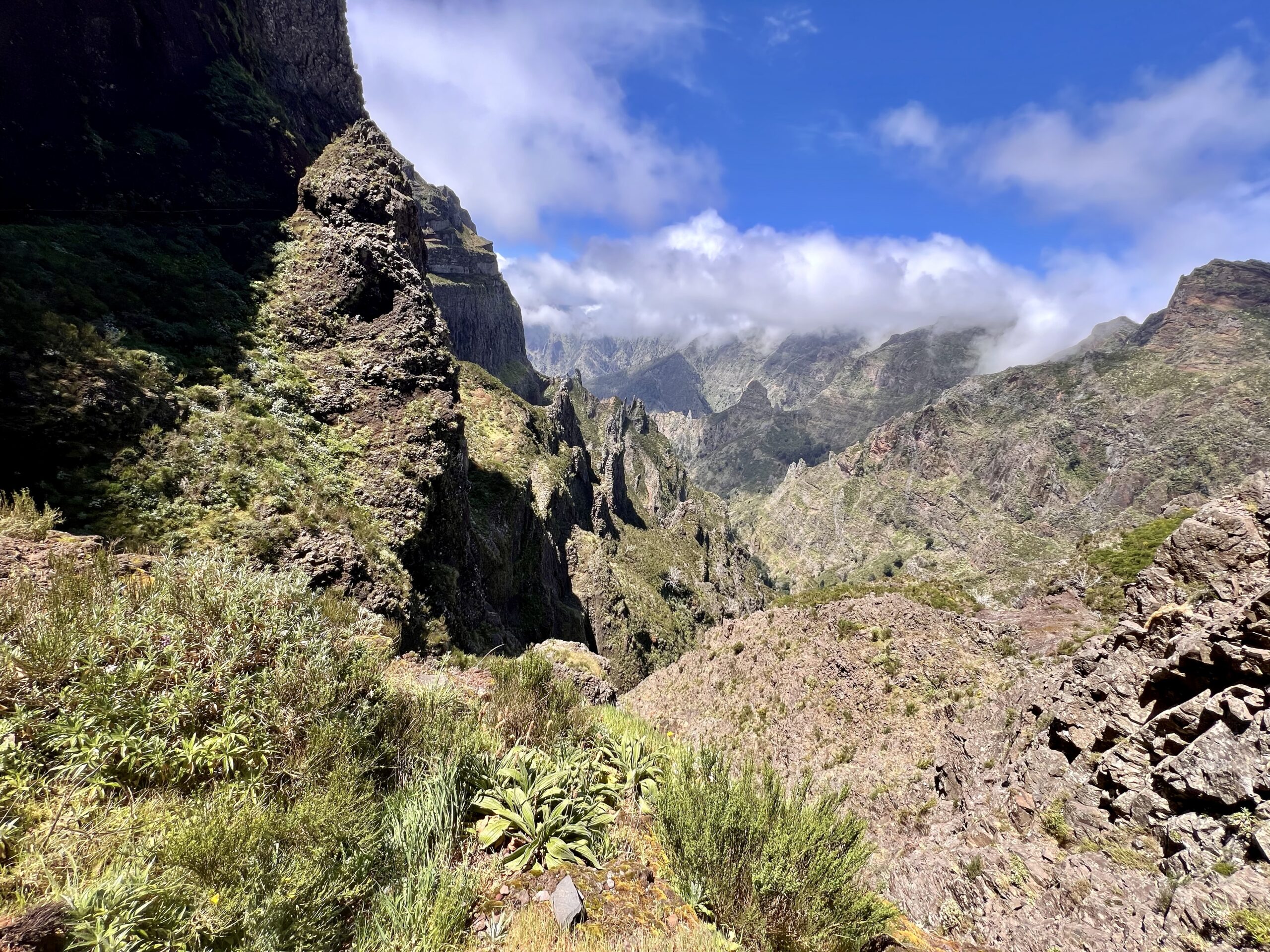
At sea level, fishing boats sway in small harbours, banana leaves tremble in warm breezes, and the Atlantic folds itself into natural pools carved by ancient lava. Higher up, the Laurissilva Forest breathes mist like an old creature waking from sleep. Higher still, volcanic ridges rise above the clouds, sharp as the bones of the earth.
Madeira is a world of contrasts: subtropical coastline, cloud forests, jagged mountains, gentle valleys, dramatic cliffs, and villages that cling to slopes so steep they seem to defy gravity. It is a place where water flows through levadas built centuries ago, where flowers bloom year‑round, where wine ages in barrels warmed by the sun, and where sunsets melt into the ocean like gold poured from the sky.
This article is your guide to Madeira — not as a checklist, but as a layered experience. It reveals the island the way Madeira reveals itself: slowly, generously, and with a kind of quiet magic.
THE ARCHIPELAGO — FOUR NAMES, FOUR SOULS
The intricate interplay of terrain and climate fosters a diverse array of landscapes that showcase each island’s uniqueness. The main islands — Madeira, Porto Santo, and the smaller islets of Desertas and Selvagens — comprise a rich mosaic teeming with flora, fauna, and cultural significance.
Madeira is part of an archipelago — a constellation of islands scattered across the North Atlantic, southwest of mainland Portugal and closer to Africa than Europe.
The Madeira archipelago is renowned for its dramatic volcanic landscapes, characterised by steep cliffs that cradle verdant valleys and cascading waterfalls.
1. Madeira — The Mountain Heart
The main island, 741 km² of volcanic drama.
A place of mountains, forests, waterfalls, levadas, villages, gardens, viewpoints, and Funchal — the cultural pulse.
2. Porto Santo — The Golden Whisper
A smaller island, 42.5 km², with a nine‑kilometre beach that glows like honey under the sun.
Where Madeira is vertical, Porto Santo is horizontal.
Where Madeira is adventure, Porto Santo is exhale.
3. Desertas — The Silent Guardians
Protected nature reserves, barren, dramatic, untouched.
Home to rare species and the feeling of being far from everything.
4. Selvagens — The Wild Frontier
Remote, windswept, fiercely protected.
A sanctuary for seabirds and the raw Atlantic.
Only Madeira and Porto Santo are inhabited, but all four shape the archipelago’s identity — a geography of contrasts, a story of land scattered across the ocean.
MADEIRA and PORTO SANTO
Madeira, often regarded as the crown jewel of the Atlantic, beckons travellers with its majestic beauty and rich cultural tapestry.
However, nestled nearby is Porto Santo, a lesser-known gem that offers a striking contrast to its more celebrated neighbour. The differences between these two islands are not only apparent in their landscapes but also in their accessibility and range of attractions (de Araújo, 2020).
Madeira’s landscapes are a tapestry woven from dramatic cliffs, verdant mountains, and daunting volcanic formations. This island thrives as a veritable garden paradise, where the vibrant bougainvillaea dances joyfully against the azure sky.
The levadas, ancient irrigation channels, carve pathways through lush forests, guiding wanderers to hidden waterfalls and breathtaking vistas. Each trail tells a storied tale, luring thrill-seekers and nature enthusiasts alike to wander through its verdant embrace.
In contrast, Porto Santo presents a canvas painted with golden sands and serene ocean vistas.
This neighbouring island boasts a softer allure—its 9 kilometres of sandy beaches, with calm, crystalline waters, create a welcoming haven for those yearning to bask under the sun’s gentle caress. While Madeira sings the praises of its towering peaks and lush hiking trails, Porto Santo whispers secrets of serene walks along the shoreline, perfectly suited for those seeking solace and tranquillity (de Araújo, 2020).
ACCESSIBILITY
Accessibility plays a pivotal role in the traveler’s experience of both islands. Madeira, with its bustling Funchal Airport, is easily reachable from major European cities, presenting a gateway to its vibrant culture and stunning geography.
Meanwhile, Porto Santo can be accessed through regular ferry services, a voyage that brings the allure of the ocean into focus. This difference in accessibility shapes how visitors explore the two islands.
Madeira, with its multitude of attractions and activities, often draws visitors for longer stays, while Porto Santo, with its emphasis on relaxation, invites a philosophy of slow travel—perfect for a quick getaway or a rejuvenating escape (de Araújo, 2020).
The attractions on each island further amplify their distinct characteristics. In Madeira, the botanical gardens, such as the vibrant Jardim Botânico and the famed Monte Palace, flourish, showcasing the incredible biodiversity.
Historical sites, such as the iconic São Tiago Fortress and the picturesque Old Town of Funchal, reflect the island’s rich heritage and invite visitors to step back in time. Countless festivals, from the flower festival to the Madeira Wine Festival, envelop visitors in the celebratory essence of local culture and community (de Araújo, 2020).
Conversely, Porto Santo is a treasure trove of natural beauty, inviting visitors to revel in its peaceful charm. Worthy attractions include the Christopher Columbus House, which tells tales of the island’s storied past, and the tranquil landscapes of the Ponta da Calheta, where the dramatic cliffs meet the vast expanse of the ocean. The island’s embrace of nature extends to its healing sands, reputed for their therapeutic qualities, drawing travellers seeking wellness and rejuvenation (de Araújo, 2020).
In summary, while Madeira and Porto Santo are part of the same family, they offer contrasting experiences that speak to different facets of the human spirit. Madeira, with its spirited hustle and natural marvels, invites exploration and adventure, while Porto Santo calls forth moments of peace and reflection.
Together, they create a harmonious balance, enriching the traveler’s journey in a land where nature and culture intertwine seamlessly.
In the heart of the Atlantic, where the ocean kisses the shores of a mystic island, Madeira emerges not just as a feast for the eyes but as a vibrant tapestry woven with a rich cultural heritage that beckons both travellers and locals alike. Celebrated for its lush landscapes and dramatic cliffs, the island is equally renowned for unique cultural expressions that echo the rhythms of its storied past.
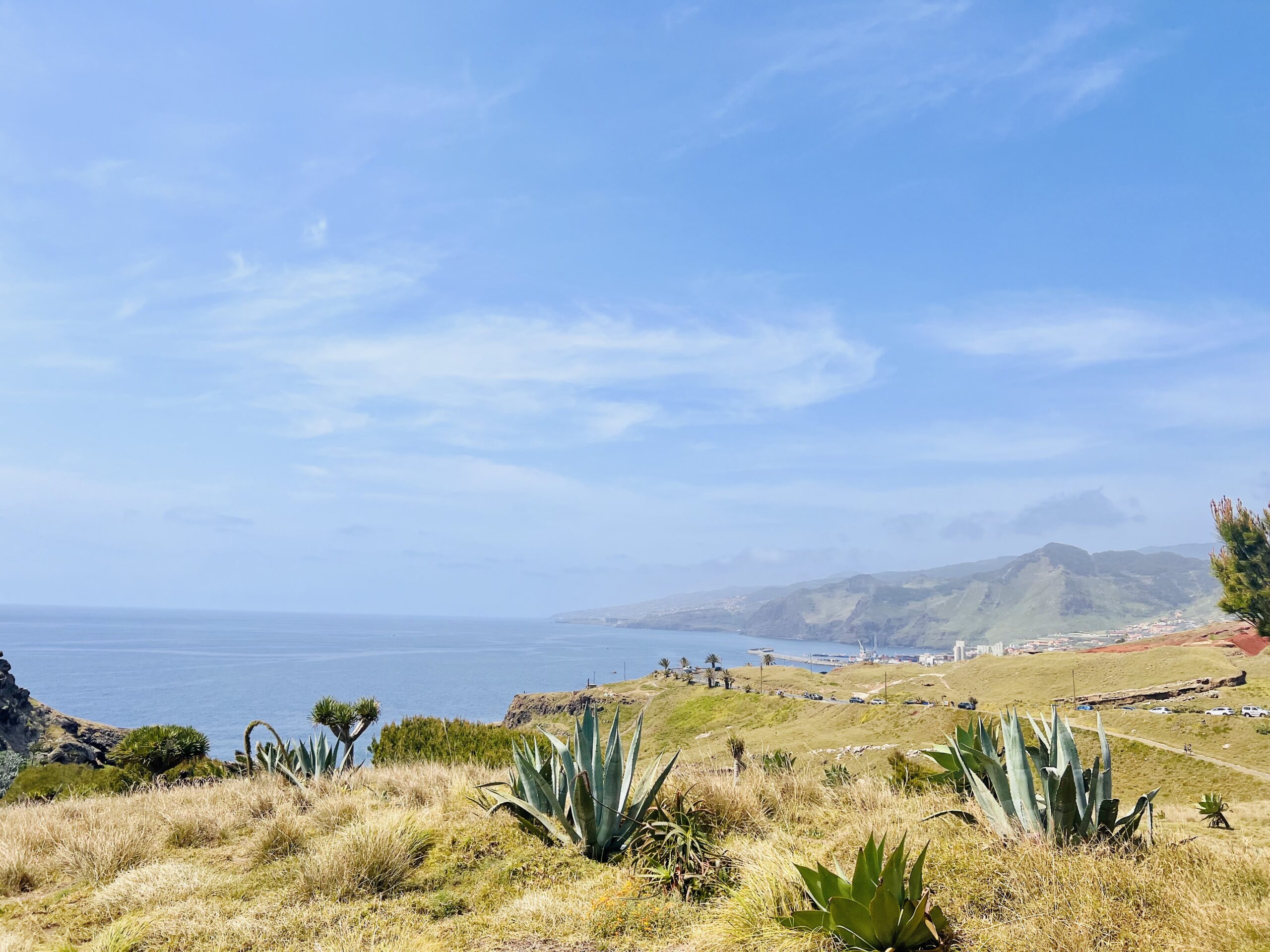
WHAT MADEIRA IS FAMOUS FOR — A TAPESTRY OF ELEMENTS
Madeira’s fame is not singular.
It is a mosaic of landscapes, traditions, and experiences.
- Laurissilva Forest (UNESCO)
- Volcanic mountains
- Levadas and waterfalls
- Natural swimming pools
- Madeira wine
- Flowers and gardens
- Banana plantations
- Whale and dolphin watching
- Mountain hiking
- Carnival and festivals
- Espetada and traditional cuisine
- Poncha
- Cable cars and viewpoints
- Porto Santo’s golden beach
- Funchal’s historic centre
Madeira is famous for being impossible to define.
It is not a beach island.
It is not a mountain island.
It is not a city break.
It is all three — and something more.
A BRIEF HISTORY — SUGAR, WINE, AND THE INVENTION OF A DESTINATION
Madeira’s story begins with Portuguese navigators who reached Porto Santo in 1418 and Madeira in 1419. They found forests so dense that the island was named Madeira — “wood.”
The Age of Sugar
In the 15th century, sugar cane transformed the island.
Madeira became a global sugar powerhouse, exporting what was then called white gold.
European nobility, merchants, and explorers all sought Madeira sugar.
The Rise of Wine
By the 17th and 18th centuries, Madeira wine became the island’s signature export — a fortified wine with a flavour shaped by heat, time, and ocean voyages.
Barrels were shipped worldwide, and the wine aged in ship holds, developing its unique character.
The Arrival of Tourism
In the 19th century, European aristocrats arrived seeking mild winters and mountain air.
Madeira became known as a place of healing, beauty, and gentle climate.
Tourism grew slowly, then steadily, until Madeira became the international destination it is today — a place where nature, culture, and hospitality intertwine.
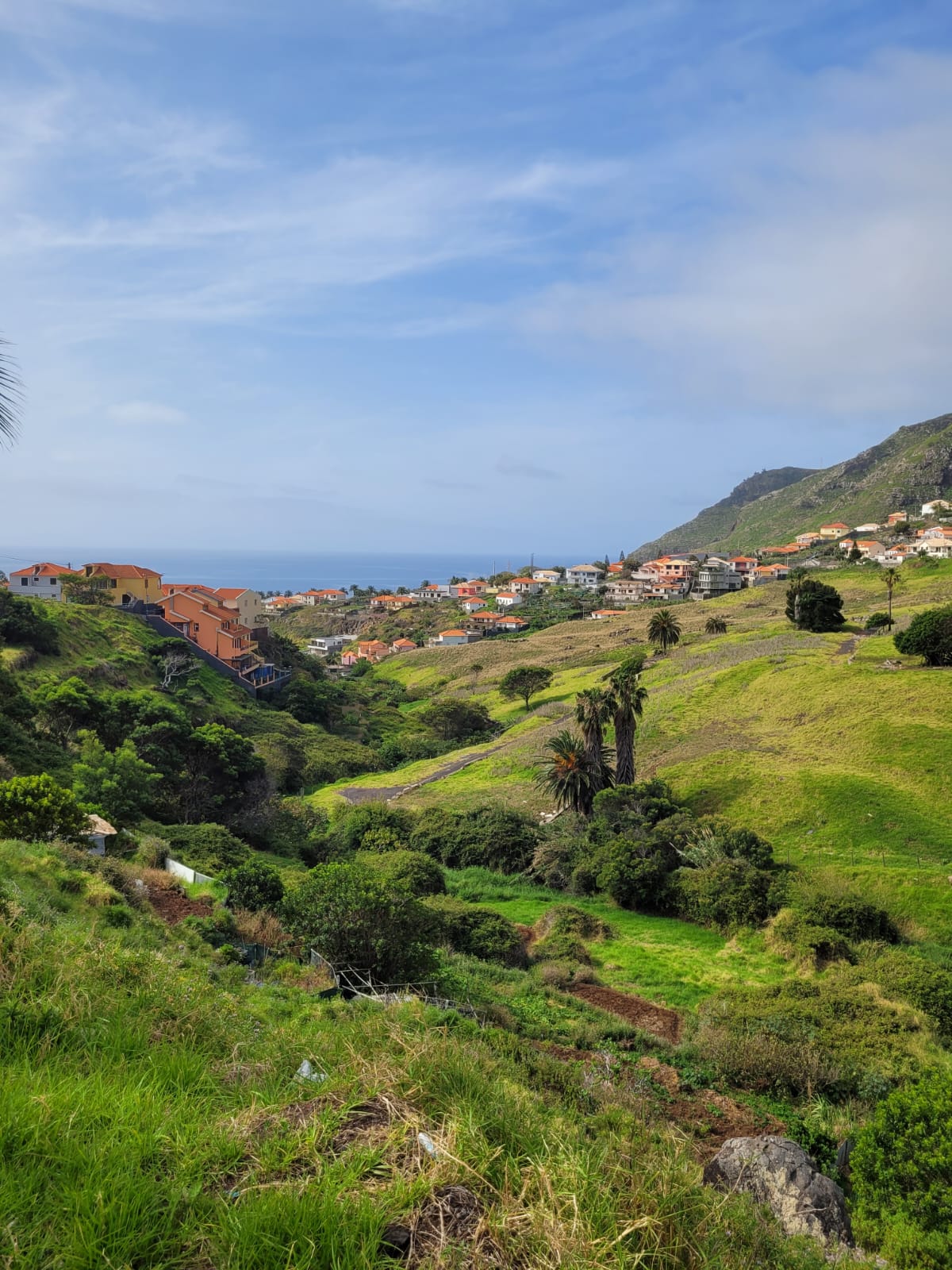
FUNCHAL — THE CITY WHERE THE ISLAND BREATHES
Funchal is not just the capital.
It is Madeira’s living room — a place where history, gardens, markets, cable cars, restaurants, and waterfront promenades gather in one luminous bowl between mountains and sea.
The Old Town (Zona Velha)
Narrow streets, painted doors, restaurants, art, atmosphere.
A place where history meets creativity.
Sé Cathedral
A quiet, elegant anchor of history — Gothic, Manueline, and serene.
Mercado dos Lavradores
Flowers, fruit, vegetables, fish — a sensory explosion.
Vendors call out, colours burst from stalls, and the smell of passion fruit fills the air.
Rua de Santa Maria
Colourful doors, street art, cafés — a living gallery.
Funchal Marina
Sunset strolls, boats rocking gently, the Atlantic glowing gold.
Monte
Reached by cable car, suspended between sea and sky.
Monte Palace Tropical Garden
A garden that feels like a dream — koi ponds, sculptures, exotic plants.
Madeira Botanical Garden
A celebration of the island’s botanical abundance — orchids, palms, hydrangeas.
Funchal is the perfect beginning — a soft landing before the island’s vertical drama unfolds.
CLIMATE — THE ISLAND OF MANY WEATHERS
Madeira’s climate is subtropical, with average temperatures around 17°C in winter and 25°C in summer.
But the truth is more complex. Madeira does not have one climate. It has dozens.
You can stand in sunshine in Funchal, drive twenty minutes, and find fog in the mountains, rain in the north, and warmth at the coast.
Microclimates are part of the island’s personality — unpredictable, dramatic, alive.
Sea temperatures remain mild, between 18°C and 24°C.
Madeira is a year‑round destination, but each season has its own poetry.
BEST TIME TO VISIT — FOUR SEASONS, FOUR MOODS
Spring — The Blooming Season
Flowers, gardens, hiking, photography, pleasant temperatures. The Flower Festival transforms the island into a celebration of colour.
Summer — The Bright Season
Swimming, boat trips, whale watching, long evenings, outdoor dining. The busiest period, but also the most luminous.
Autumn — The Golden Season
Warm days, fewer visitors, wine harvest traditions.
Winter — The Gentle Season
Mild temperatures, greenery, hiking, festive events. A refuge from northern European winter. Madeira is not a place you choose by season. It is a place you choose by desire.
LAURISSILVA — THE FOREST THAT REMEMBERS EVERYTHING
The Laurissilva Forest is one of Madeira’s greatest treasures — a UNESCO‑listed ancient laurel forest that feels like a portal to another world.
Fanal — The Enchanted Clearing
Here, ancient trees rise from mist, their branches twisted like old stories. Moss covers everything. Silence feels sacred. Walking through Laurissilva is not just hiking. It is communion.
The forest reminds you that Madeira’s beauty is not only visual — it is ecological, evolutionary, and deeply alive.
THE LEVADAS — WATER, HISTORY, AND THE ART OF WALKING
Levadas are Madeira’s veins — irrigation channels built to carry water from wet regions to dry ones. Over centuries, they became a network of paths that cross mountains, forests, valleys, and cliffs.
PR6 — Levada das 25 Fontes
4.3 km, lush scenery, waterfalls, springs.
A pilgrimage of green.
PR6.1 — Levada do Risco
1.5 km, ending at the Risco waterfall — a vertical ribbon of water.
PR18 — Levada do Rei
Dense vegetation, birdsong, serenity.
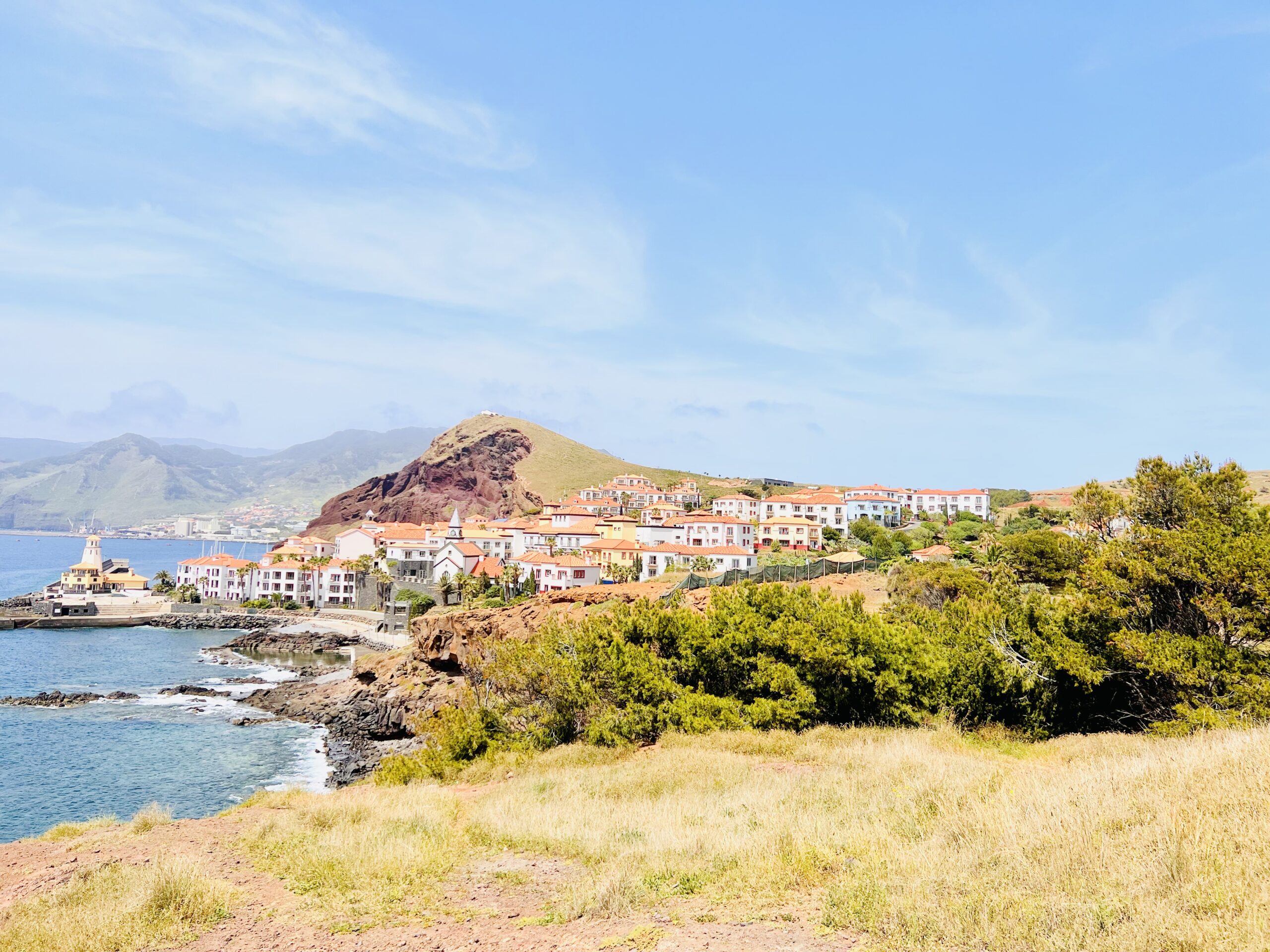
PR8 — Ponta de São Lourenço
Dry volcanic drama instead of greenery — a contrast that defines Madeira.
Important Update (2026)
Access to classified walking routes now requires reservations via the SIMplifica portal. Fees: €4.50 general / €3 with certified guides. Levadas are not just walks. They are stories carved into the land.
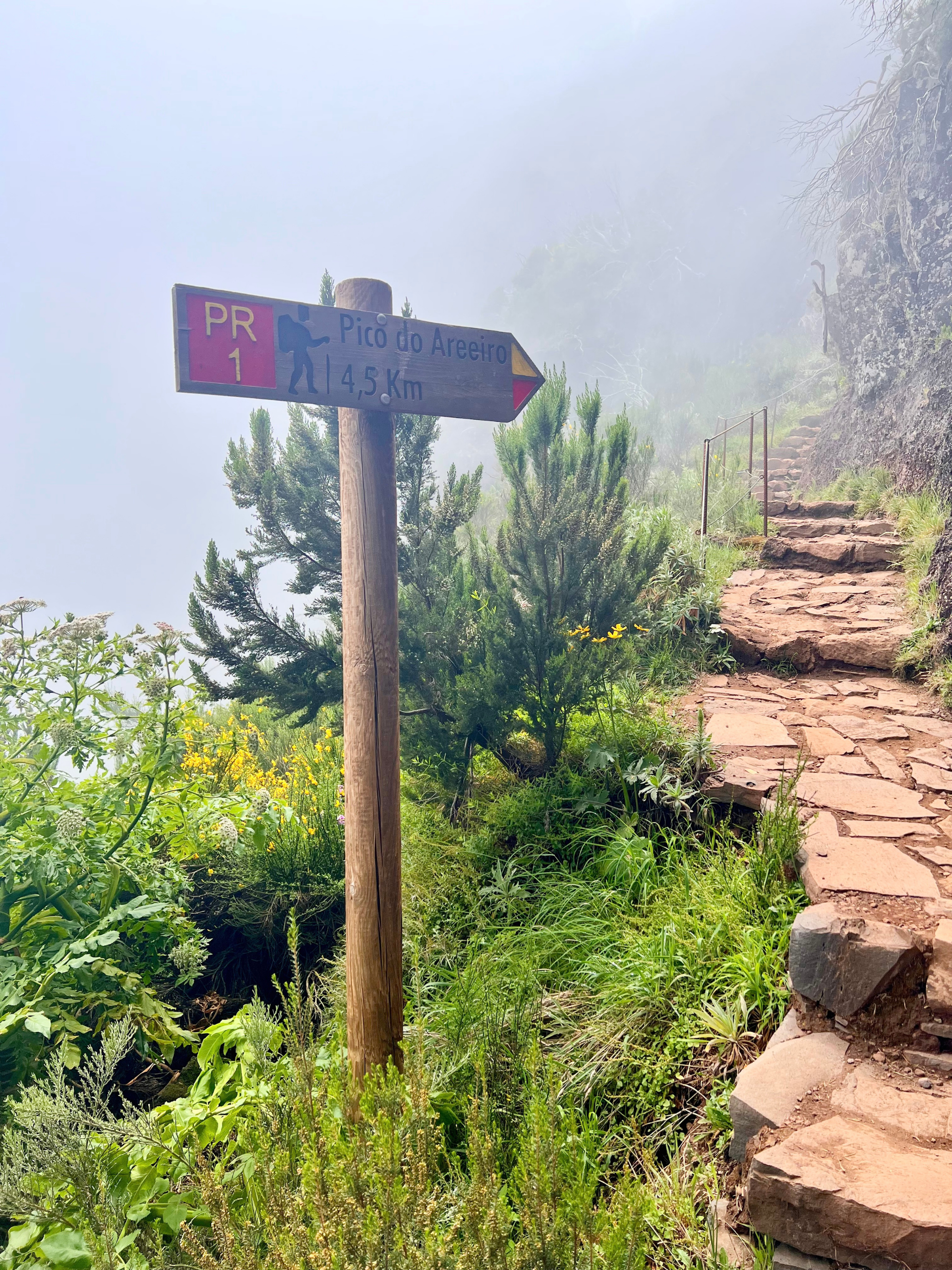
PICO RUIVO & PICO AREEIRO — THE ROOF OF MADEIRA
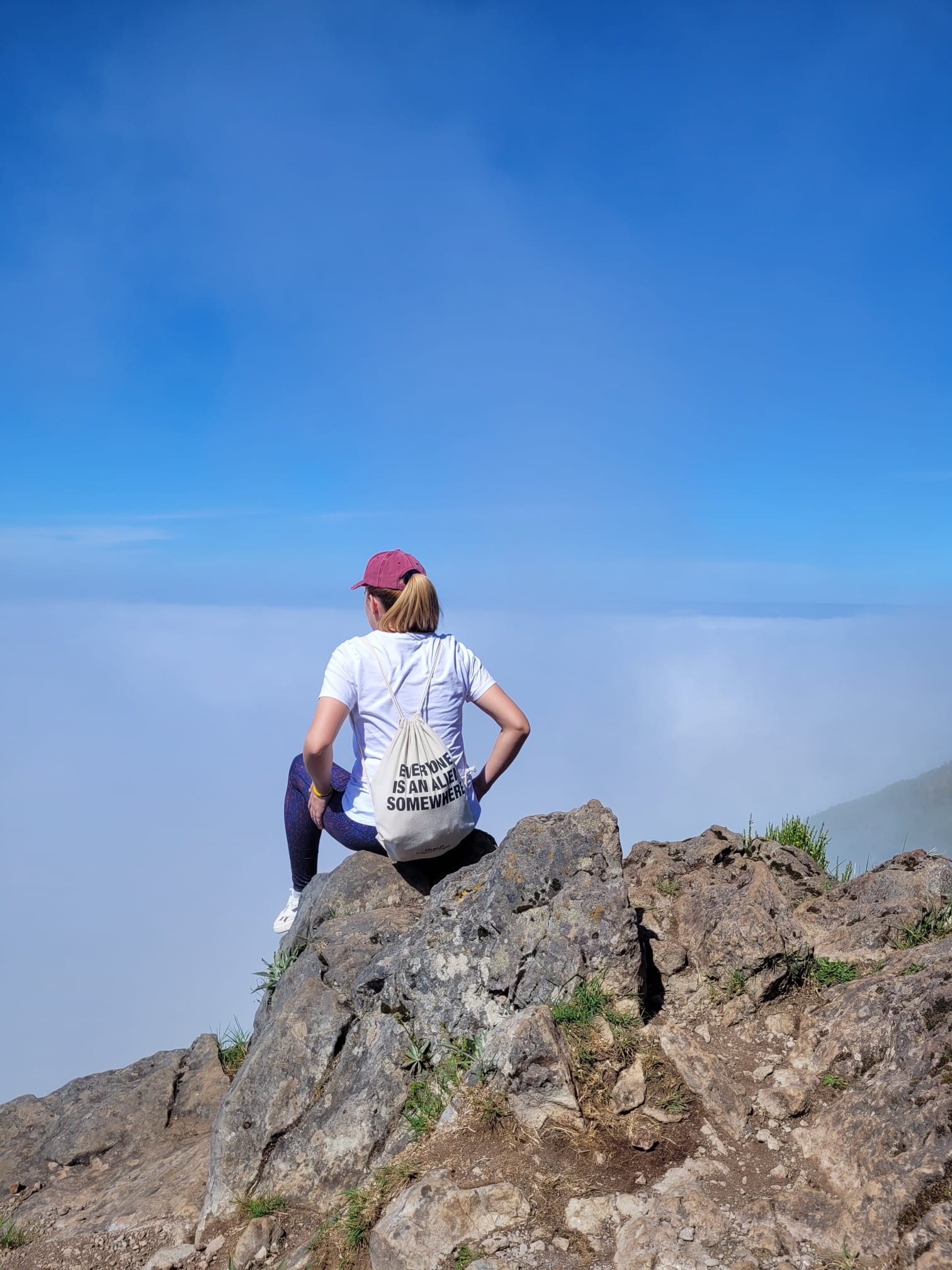
At 1,862 metres, Pico Ruivo is the highest point on the island — a place where you stand above clouds and feel the curvature of the earth.
The weather changes rapidly.
Clouds appear like ghosts.
Temperatures drop.
Wind rises.
This is not a casual stroll.
It is a mountain experience that demands respect — proper footwear, layers, awareness.
But the reward is unforgettable – A sunrise that feels like the world beginning again.
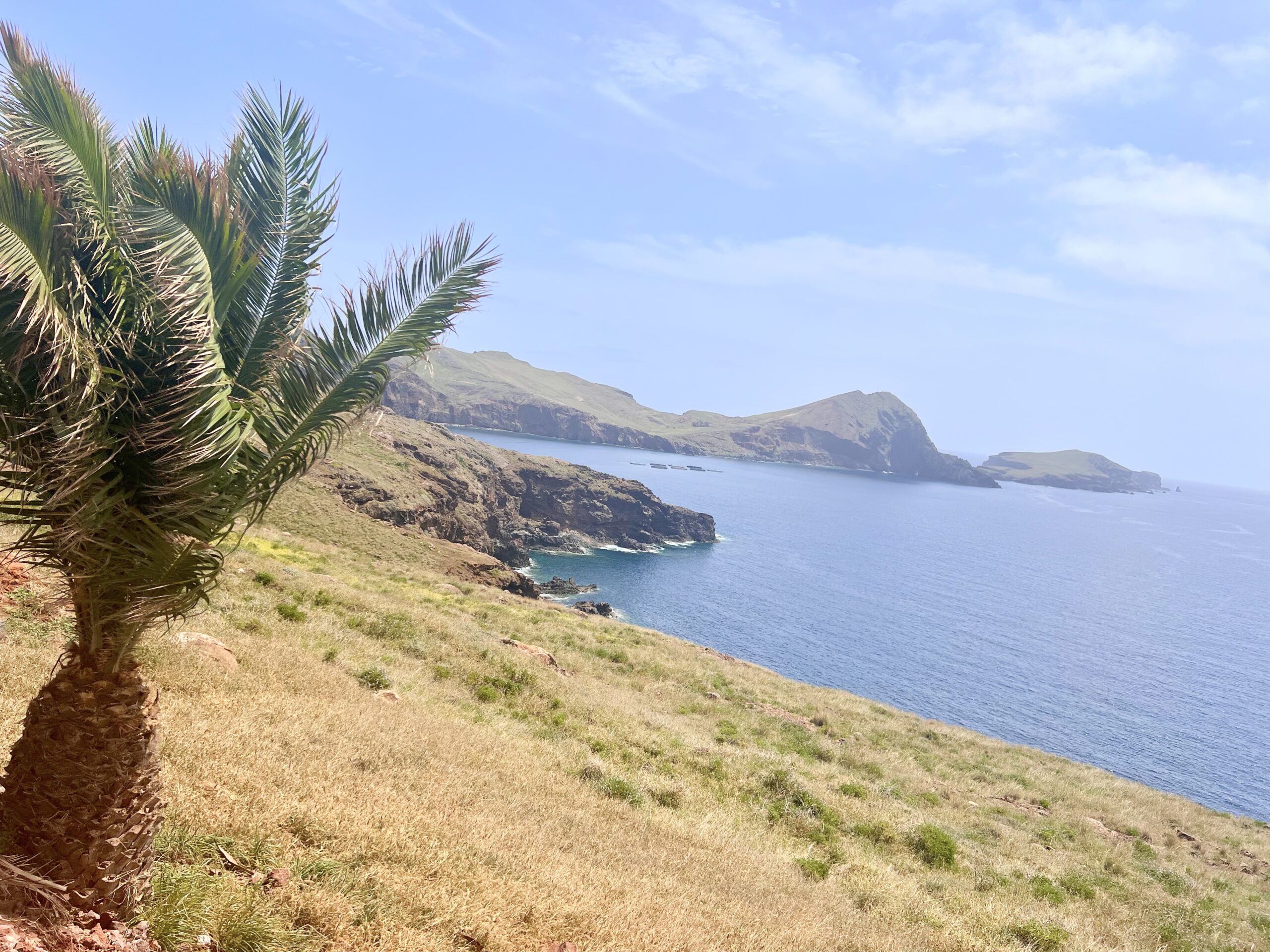
PONTA DE SÃO LOURENÇO — THE EASTERN EDGE OF THE WORLD
Dry, rugged, volcanic, exposed — Ponta de São Lourenço feels like another planet.
The PR8 trail is 8 km round trip, about 2.5 hours.
The cliffs are sharp, the colours earthy, the ocean endless.
This is one of the best places for dramatic coastal photography — a landscape stripped to its bones.
WATERFALLS — THE ISLAND THAT NEVER STOPS FALLING
Madeira is an island shaped by water.
Not gentle water, not quiet water — but water that insists on movement.
It falls from cliffs hundreds of metres high.
It threads through forests like silver veins.
It gathers in pools so clear they reflect the sky like polished mirrors.
Madeira’s waterfalls are not isolated attractions.
They are part of the island’s heartbeat.
Rabaçal — The Waterfall Sanctuary
Rabaçal is one of Madeira’s most beloved hiking regions, a place where levadas weave through emerald valleys and waterfalls appear around corners like surprises.
Here, water is everywhere — dripping, rushing, cascading, whispering.
Risco — The Vertical Ribbon
The Risco waterfall is a single, elegant drop from a towering cliff.
It feels like a thread pulled straight from the clouds.
25 Fontes — The Chamber of Springs
Twenty‑five springs emerge from the rock, forming a pool surrounded by moss, ferns, and the sound of water falling from every direction.
It feels like a natural cathedral.
Caldeirão Verde — The Green Cauldron
A long, dramatic hike leads to a waterfall that plunges into a deep green basin.
Mist rises.
The air feels enchanted.
São Vicente, Seixal, Ribeira da Janela
On the north coast, waterfalls spill directly onto roads, cliffs, and beaches — unexpected, wild, untamed.
Madeira’s waterfalls are not just scenery.
They are reminders of the island’s volcanic past, its steep geography, and its constant dialogue with the Atlantic.
BEACHES & SWIMMING — VOLCANIC SHORES AND NATURAL POOLS
Madeira is not a classic beach destination.
Its coastline is volcanic — dark, dramatic, sculpted by ancient eruptions.
But it offers unforgettable places to swim.
Natural Pools — Porto Moniz & Seixal
The natural pools of Porto Moniz are carved from black lava, filled with Atlantic water that rushes in with each wave.
They are both wild and safe — nature’s own infinity pools.
Seixal offers a different mood: dark volcanic sand, waterfalls dropping onto the beach, and a sense of raw beauty.
Machico — A Gentle Shore
Machico’s sandy beach is one of the most accessible on the island.
Families gather, swimmers glide through calm water, and the bay glows gold at sunset.
Calheta — Imported Gold
Calheta’s beach is artificial, created with imported golden sand.
It offers warm water, gentle waves, and a marina lined with cafés.
Porto Santo — The Golden Miracle
And then there is Porto Santo. Nine kilometres of golden sand, warm water, and a horizon that seems to stretch forever. Porto Santo’s beach is not just beautiful — it is therapeutic. Locals speak of its healing properties, its softness, its warmth.
Walking barefoot here feels like medicine.
Madeira may not be a beach island, but it offers swimming experiences that feel elemental — shaped by geology, weather, and the Atlantic itself.
TOWNS & VILLAGES — THE HUMAN LANDSCAPE
Madeira’s villages are not simply settlements.
They are stories of adaptation — communities built on cliffs, valleys, and terraces carved into volcanic slopes.
Câmara de Lobos — The Fisherman’s Palette
Colourful boats, steep hills, poncha bars, and a harbour that inspired Winston Churchill’s paintings.
Life here feels vibrant and authentic.
Ribeira Brava — The Mountain Gateway
A coastal town framed by dramatic mountains.
A place where the sea meets the steep interior.
Ponta do Sol — The Sunset Capital
Warm, bright, and beloved for its sunsets.
Artists, writers, and dreamers gather here.
Calheta — Sunshine and Sugar Cane
A marina, a beach, and hills covered in banana plantations and sugar cane.
São Vicente — The Northern Valley
Green mountains rise steeply around this peaceful village.
It feels like a sanctuary.
Seixal — Wild Beauty
Waterfalls, volcanic sand, dramatic cliffs.
A place where nature feels close.
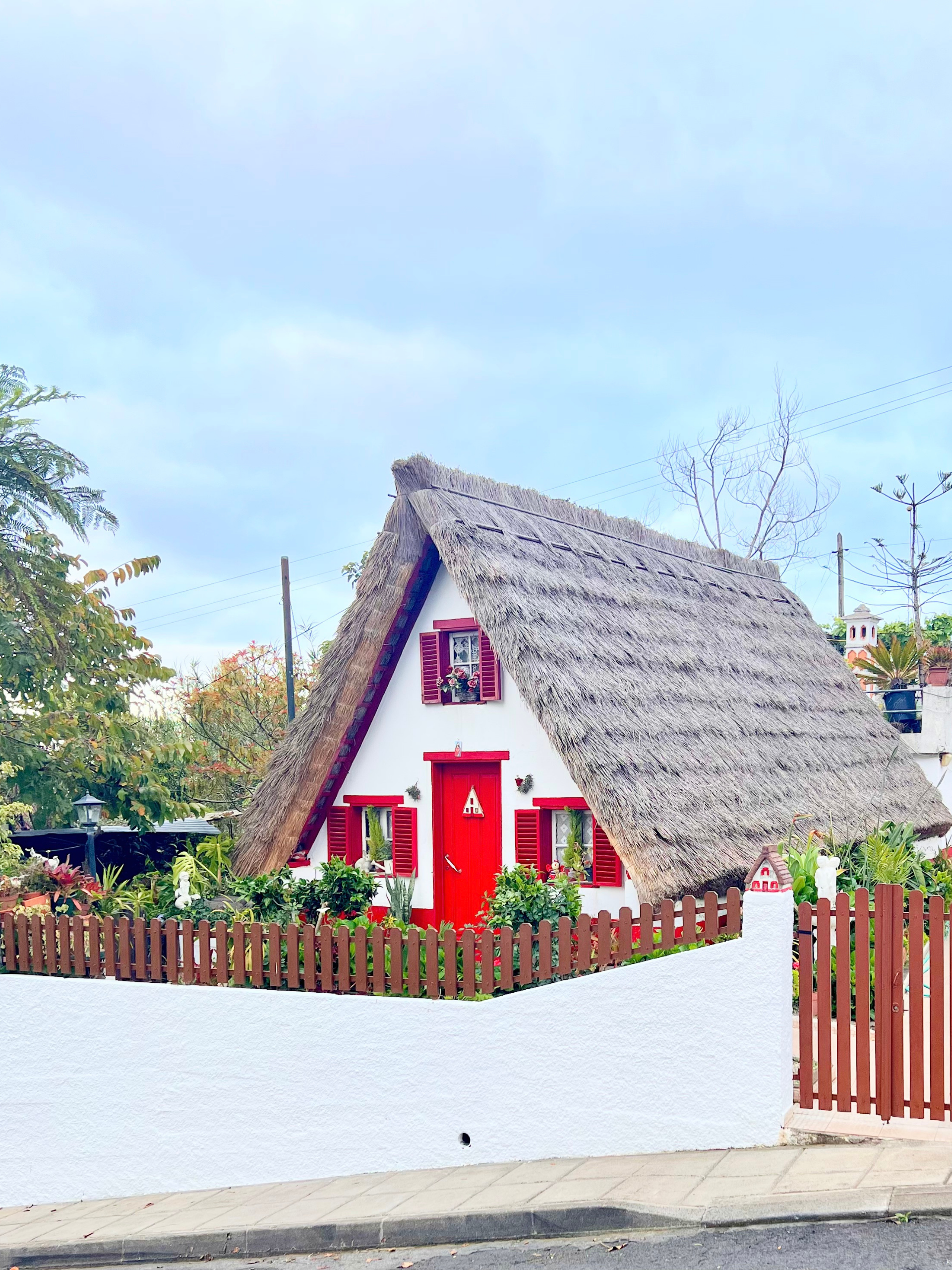
Santana — Tradition Preserved
Triangular thatched houses — Madeira’s iconic casas típicas.
A village that preserves the island’s rural heritage.
Machico — Where It All Began
One of Madeira’s earliest Portuguese settlements.
A place of history, beach, and gentle atmosphere.
Porto Moniz — Pools of Lava
Famous for its natural swimming pools.
A dramatic coastline shaped by volcanic rock.
Each village adds a thread to Madeira’s tapestry — human stories woven into volcanic land.
FOOD — THE FLAVOURS OF VOLCANIC EARTH AND ATLANTIC WATER
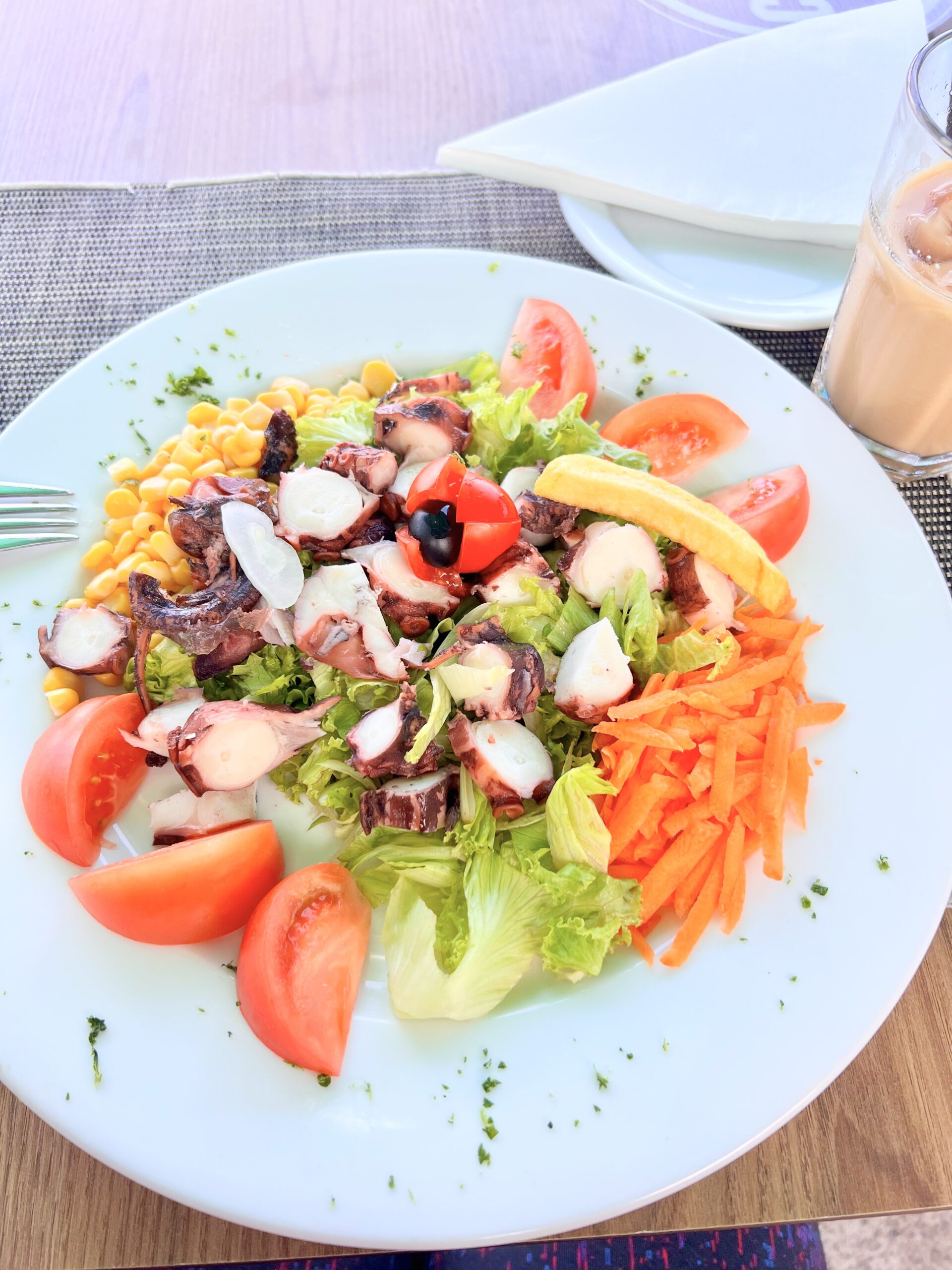
Madeira’s cuisine is simple, honest, and deeply rooted in land and sea.
Espetada — Fire and Wood
Chunks of beef skewered on laurel branches, cooked over open flame.
Smoky, tender, primal.
Espada com Banana — The Unexpected Harmony
Black scabbardfish paired with banana.
Strange until tasted — then perfect.
Bolo do Caco — The Island’s Bread
Warm, soft, served with garlic butter.
Comfort in every bite.
Lapas — Limpets from the Atlantic
Grilled with garlic and butter.
A taste of the sea.
Milho Frito — Crispy Cornmeal
Golden cubes, crispy outside, soft inside.
A beloved side dish.
Picado — Shared Joy
Small pieces of meat served in a communal dish.
Made for sharing, laughter, and conversation.
Passion Fruit — The Island’s Sweetness
Fragrant, bright, abundant.
Poncha — The Liquid Tradition
Sugar‑cane spirit, honey, citrus.
Madeira’s signature drink — strong, sweet, and unforgettable.
Madeira tastes like its landscape — bold, fresh, elemental.
MADEIRA WINE — A LIQUID CHRONICLE
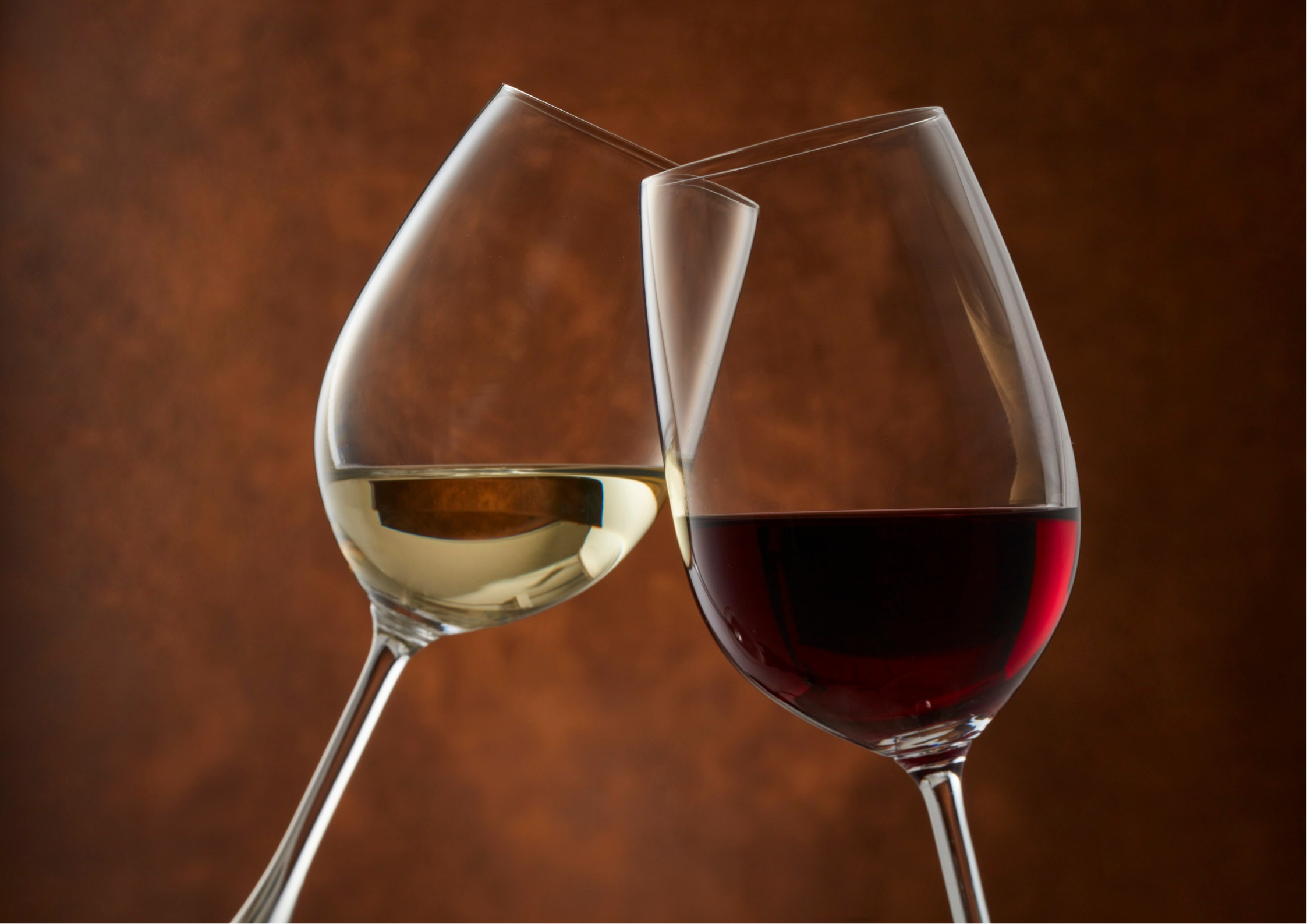
Madeira wine is not just a drink. It is a story — centuries long, ocean‑carried, sun‑aged.
Grape Varieties
- Sercial
- Verdelho
- Bual
- Malmsey
From dry to sweet, each variety carries history.
The Process
Madeira wine is heated, oxidised, and aged in sun-warmed barrels. It is one of the few wines that improves after opening.
The Experience
A visit to a wine lodge is essential — a journey through barrels, history, and flavour. Madeira wine is the island in a bottle — resilient, complex, unforgettable.
RUM & SUGAR CANE — THE ISLAND’S FIRST ECONOMY
Sugar cane is not just a crop in Madeira. It is a memory. It shaped the island’s early economy, its landscape, its culture.
Terraces carved into steep slopes still hold rows of sugar cane, swaying in the Atlantic wind like green flags.
In the 15th and 16th centuries, Madeira was one of the world’s great sugar producers — a place where “white gold” flowed from mills to ships, from ships to Europe, from Europe to royal tables.
Today, sugar cane remains woven into daily life.
Rum — The Spirit of the Island
Madeira’s rum is not mass‑produced. It is crafted — distilled from fresh sugar‑cane juice, often in small traditional mills that still smell of sweetness and steam. It is the soul of poncha, Madeira’s signature drink.
Poncha — The Liquid Tradition
Poncha is more than alcohol. It is ritual. Sugar‑cane spirit. Honey or sugar. Fresh citrus — lemon, orange, passion fruit. Mixed with a mexelote, a wooden tool that looks like a miniature club. Served in small glasses. Shared among friends. Warm, bright, strong. Poncha tastes like Madeira: Sweet from the land, sharp from the cliffs, warm from the sun, and bold from the Atlantic.
FLOWERS & GARDENS — THE FLOATING GARDEN OF THE ATLANTIC
A Climate Made for Blooming
The island’s subtropical climate, combined with its volcanic soil and varied altitudes, creates ideal conditions for an astonishing range of plants. Madeira is sometimes called the Floating Garden of the Atlantic, and it isn’t difficult to understand why.
What You’ll See
Bougainvillaea spilling over walls in cascades of magenta. Orchids glowing like jewels. Bird of paradise flowers standing like bright orange flames. Hydrangeas forming blue and purple clouds along mountain roads. Camellias blooming in winter. Tree ferns rising like prehistoric guardians.
Funchal’s Gardens
The Monte Palace Tropical Garden is a world unto itself — koi ponds, Japanese bridges, African sculptures, exotic plants, and views over Funchal that feel like paintings. The Madeira Botanical Garden celebrates diversity — terraced flowerbeds, greenhouses, and a panorama of the city and sea. Madeira’s gardens are not just attractions. They are expressions of the island’s generosity — its ability to grow beauty everywher.
FESTIVALS — THE ISLAND THAT CELEBRATES EVERYTHING
Madeira celebrates with sincerity. Its festivals are not performances for tourists — they are traditions woven into the island’s rhythm.
Carnival — The Explosion of Colour
Parades, costumes, music, dance. Funchal becomes a stage of joy.
Flower Festival — Spring in Bloom
Held in spring, the Flower Festival transforms the island into a celebration of colour. Flower carpets line the streets. Children place flowers in symbolic walls of hope. Parades move through Funchal like rivers of petals.
Atlantic Festival — Fireworks Over the Sea
Summer nights filled with music and fireworks that reflect on the Atlantic like falling stars.
Wine Festival — A Tribute to Tradition
From 27 August to 13 September 2026, Madeira celebrates its centuries‑old wine heritage — tastings, events, harvest traditions.
Christmas & New Year — Light and Fire
Madeira is famous for its festive celebrations. Lights decorate Funchal. Music fills the streets.New Year’s Eve fireworks explode over the bay in one of the world’s most spectacular displays. Madeira celebrates not because it must, but because it can — because joy is part of its identity.
WHALE & DOLPHIN WATCHING — THE ATLANTIC ALIVE
The Experience
The waters around Madeira are rich with life.
Boat trips leave from Funchal, Calheta, and other coastal towns. The best operators follow marine wildlife guidelines — observing without disturbing, respecting the ocean’s inhabitants. Seeing dolphins leap beside your boat or watching a whale surface in the Atlantic is not just an activity. It is a moment of connection — a reminder that Madeira is part of a vast, living ocean.
What You Might See
Dolphins dancing in the wake of boats. Whales rising from the deep. Sea turtles gliding through clear water. Seabirds tracing arcs across the sky.
CABLE CARS — FLOATING BETWEEN WORLDS
Madeira’s geography makes cable cars practical — and spectacular.
Funchal–Monte Cable Car – The most famous. A glide from the waterfront to Monte, rising above gardens, rooftops, and the city’s bowl‑shaped geography.
Garajau Cable Car – Descending to a small beach beneath dramatic cliffs.
Rocha do Navio Cable Car – Connecting a high viewpoint to a remote coastal area where farmers still tend small plots.
Achadas da Cruz Cable Car – One of the steepest in Europe. A thrilling descent to a tiny coastal plain surrounded by cliffs. Cable cars reveal Madeira’s vertical nature — a landscape best understood from above.
MONTE TOBOGGAN — THE ISLAND’S MOST ECCENTRIC TRADITION
Some traditions survive because they are practical. Others survive because they are delightful. The Monte toboggan is both.
The Experience – You sit in a wicker basket sledge. Two men — carreiros — dressed in white with straw hats push and steer. The sledge slides down steep roads, turning corners with surprising grace. It is fast. It is fun. It is wonderfully eccentric.
The Monte toboggan is one of those experiences that makes Madeira unmistakably Madeira — a tradition that feels like a wink from the past.
NAVIGATING A VERTICAL ISLAND
Driving in Madeira is not difficult — but it is different.
Expect: Steep gradients. Tunnels that cut through mountains. Narrow village streets. Sharp bends. Rapid changes in weather. Dramatic drops beside the road. The newer expressways make many journeys easy, but some of the old roads are attractions themselves — winding through forests, climbing cliffs, revealing views that make you stop the car just to breathe.
Madeira’s main roads and expressways are free to use. Driving here is not just transportation. It is part of the adventure.
MADEIRA AIRPORT — THE RUNWAY ABOVE THE SEA
Airport Access – Madeira Cristiano Ronaldo International Airport is about 20 minutes from Funchal. Aerobus, taxis, transfers, and rental cars are available. For first‑time visitors, a combination of rental car + organised excursions works beautifully.
Madeira Cristiano Ronaldo International Airport — named after the island’s most famous son. Landing here feels like arriving on a floating world.
The Runway
Madeira’s main airport is famous for its dramatic approach — mountains, wind, Atlantic. It was extended using a massive structure built over the sea. Columns rise from the ocean like stilts holding up a giant platform.
HOW MANY DAYS DO YOU NEED?
Madeira is not a place you rush. It is a place you unfold.
3 Days — A Taste
Day 1: Funchal
Day 2: West Madeira
Day 3: Mountains + one major hike
5 Days — A Better Introduction
Funchal, west coast, north coast, mountains, levadas, São Lourenço.
7 Days — The Sweet Spot
Enough time to explore without turning every morning into a military operation.
10–14 Days — The Complete Experience
Madeira + Porto Santo
Multiple hikes
Villages
Beaches
Whale watching
Food and wine
Slow travel
Time in Madeira is not measured in hours. It is measured in layers.
A PERFECT 7‑DAY ITINERARY — LAYER BY LAYER
This seven‑day plan balances motion and stillness, mountains and sea, food and silence. Each day is written as a chapter: arrive, breathe, walk, taste, watch, and rest.
Day 1 — Funchal: Arrival and Slow Discovery
- Morning: Land at Cristiano Ronaldo Airport and let the island’s light wash over you as you drive toward Funchal. Check into a centrally located hotel or guesthouse. Unpack slowly.
- Afternoon: Walk the old town (Zona Velha). Let the colours of Rua de Santa Maria and the market at Mercado dos Lavradores reintroduce you to the island’s produce and people. Taste a slice of passion fruit; buy a warm bolo do caco.
- Evening: Ride the Funchal–Monte cable car at dusk. From Monte, watch the city lights unfurl. Dinner in Funchal — espetada over laurel wood, a glass of Madeira wine, and the first sip of poncha.
Day 2 — West Coast: Fishing Villages and Cliffs
- Morning: Drive west to Câmara de Lobos, a colourful fishing town that inspired Churchill. Wander the harbour, watch fishermen mend nets, and sample lapas at a seaside tasca.
- Afternoon: Continue to Cabo Girão, one of Europe’s highest sea cliffs with a glass skywalk. Pause for the view, then descend toward Ribeira Brava and Ponta do Sol for a late lunch.
- Evening: Sunset at Ponta do Pargo lighthouse or Ponta do Sol beach. Return to Funchal or stay in a coastal pousada.
Day 3 — Rabaçal and Levadas: The Green Cathedral
- Morning: Head early to Rabaçal. Walk the Levada das 25 Fontes and the Levada do Risco. Expect moss, dripping ferns, and the hush of water. Bring a headlamp for tunnels and sturdy shoes for wet paths.
- Afternoon: Picnic by a waterfall; listen to the levada’s slow music. If time and energy allow, explore Caldeirão Verde on a longer route.
- Evening: Return to your base, soak tired feet, and enjoy a quiet dinner — milho frito and a shared picado.
Day 4 — North Coast: Wild Shores and Natural Pools
- Morning: Drive the scenic north route to São Vicente and Seixal. Stop at viewpoints where waterfalls tumble toward the sea.
- Afternoon: Swim in Porto Moniz natural pools — black lava framing turquoise water. Photograph the contrast of dark rock and bright sea.
- Evening: Dine on fresh fish in a coastal village. If staying north, choose a guesthouse with mountain views.
Day 5 — Mountains: Pico do Arieiro to Pico Ruivo
- Very Early Morning: Drive to Pico do Arieiro for sunrise. Watch the light carve the ridges, and the sea of clouds roll beneath you.
- Daytime: If you’re fit and prepared, hike the ridge toward Pico Ruivo (or take the official trails that suit your level). Carry layers, water, and a map. Mountain weather changes fast.
- Evening: Return slowly, stopping at Ribeiro Frio for trout or a short forest walk. Dinner in Santana or back in Funchal.
Day 6 — Ponta de São Lourenço and Machico
- Morning: Hike PR8 Vereda da Ponta de São Lourenço — an 8 km round trip across lunar cliffs and ocean panoramas. The light here is raw and crystalline.
- Afternoon: Explore Machico — its beach, historic sites, and calm bay. Visit Ponta do Garajau viewpoint.
- Evening: Return to Funchal for a long dinner and a wine tasting at a local lodge.
Day 7 — Funchal Slowly: Gardens, Markets, and Farewell
- Morning: Botanical Garden and Monte Palace Tropical Garden — slow, fragrant, restorative.
- Afternoon: Last market purchases, a final poncha, and a long lunch overlooking the Atlantic.
- Evening: Sunset at Ponta do Sol or a quiet harbour walk. Pack with the calm of someone who has learned the island’s rhythm.
WHERE TO STAY — BASES FOR DIFFERENT TRAVELLERS
Madeira’s accommodation ranges from guesthouses to five‑star hotels. Choose a base that matches your rhythm.
- Funchal — Best for first‑timers, nightlife, transport links, and excursions.
- Câmara de Lobos — Quieter coastal atmosphere, close to Funchal.
- Ponta do Sol — Sunsets and a slower pace.
- Calheta — Beach, marina, and sunshine.
- São Vicente — Nature lovers and north coast access.
- Porto Moniz — Natural pools and northern scenery.
- Santana — Mountain exploration and traditional houses.
- Porto Santo — For a beach‑focused stay, choose a seaside hotel or guesthouse.
Tip: For levada hikes and mountain days, consider splitting your stay — a few nights in Funchal and a couple of nights in a quieter village to reduce daily driving.
IS MADEIRA EXPENSIVE — BUDGETS AND EXPECTATIONS
Madeira can suit many budgets.
- Budget: Guesthouses, local restaurants, buses, self‑guided hikes, supermarkets.
- Mid‑range: 3–4 star hotels, rental car, guided excursions, wine tastings.
- Luxury: Five‑star hotels, private transfers, private tours, fine dining, yacht charters, spa experiences.
Funchal offers the widest range of options. Meals at local tavernas are affordable; fine dining and private experiences cost more. Plan according to the experiences you value most.
WHAT TO PACK — LAYERS, LIGHT, AND PRACTICAL POETRY
Madeira’s weather and terrain demand versatility.
Essentials:
- Layers: T‑shirts, long sleeves, fleece, lightweight waterproof jacket.
- Footwear: Proper walking shoes or hiking boots; sandals for pools and beaches.
- Accessories: Hiking socks, sunglasses, sunscreen, hat, small backpack, reusable water bottle.
- Extras: Headlamp or small torch for tunnels, power bank, swimwear, quick‑dry towel.
- Documents: Travel insurance, printed or offline maps for remote hikes, reservations for classified trails if needed.
For mountain walks, layers are essential — you can leave Funchal in sunshine and arrive in cloud and wind at altitude.
FAMILIES, COUPLES, SOLO TRAVELLERS — WHO MADEIRA SUITS
Families: Yes — beaches, natural pools, cable cars, gardens, easy walks, and whale‑watching trips. Some levadas and mountain routes are unsuitable for young children; choose family‑friendly trails.
Couples: Very much so — sunsets, wine, boutique hotels, secluded viewpoints, and romantic dinners. Porto Santo’s beach is a perfect complement.
Solo Travellers: Absolutely — Madeira is safe, easy to navigate, and rewarding for hikers, photographers, and independent explorers. Funchal is the best base for solo travellers.
SAFETY — THE ISLAND’S REAL RISKS
Madeira is generally very safe. The main risks are environmental rather than criminal.
Watch for:
- Mountain weather and rapid changes.
- Slippery paths on levadas and waterfalls.
- Steep drops on some trails.
- Dehydration and strong sun at lower altitudes.
- Ocean conditions and currents.
- Driving unfamiliar mountain roads.
Respect trail warnings, check official trail status before hiking, and carry water, layers, and a charged phone.
The biggerst mistake first time travellers make is trying to see everything in one day.
A 40 km drive on Madeira can become half a day if you stop for viewpoints, photos, coffee, and the small moments that make the island unforgettable. Slow down. Let the island reveal itself.
PRACTICAL NOTES & UPDATES
- Trail Reservations (2026): Classified walking routes now require reservations via the official SIMplifica portal; fees apply for general access and reduced fees for visitors with certified guides. Check the official trail status before departure.
- Transport: Expressways are free; Uber and Bolt operate in Funchal.
- Airport: Expect a dramatic approach into Cristiano Ronaldo International Airport; plan transfers in advance during busy seasons.
Madeira’s magic is a combination of:
Atlantic + volcanic geology + mountains + subtropical vegetation + Portuguese culture + levadas + microclimates.
It is not a single type of holiday. It is a layered experience that rewards curiosity and patience.
TOP 20 ESSENTIAL EXPERIENCES IN MADEIRA
- Explore Funchal’s Old Town — history, markets, and street art.
- Walk a levada — water, engineering, and intimacy with the landscape.
- Visit the Laurissilva Forest — ancient laurel, moss, and mist.
- See Fanal — otherworldly trees and fog.
- Climb Pico Ruivo — sunrise above the clouds.
- Watch the sunrise above the clouds — a mountain ritual.
- Explore Ponta de São Lourenço — lunar cliffs and ocean horizons.
- Swim in volcanic pools — Porto Moniz’s natural basins.
- Visit Porto Moniz — geology and sea.
- See Seixal — waterfalls meeting the coast.
- Visit Santana — traditional thatched houses.
- Eat espetada — laurel‑skewered beef over flame.
- Try bolo do caco — warm bread with garlic butter.
- Drink poncha — the island’s ritual spirit.
- Taste Madeira wine — a fortified wine with history.
- Visit a botanical garden — plant diversity and views.
- Ride the Monte cable car — a glide between worlds.
- Experience the Monte toboggan — eccentric, joyful, fast.
- Take a whale‑watching trip — the Atlantic alive.
- Watch the sun disappear into the Atlantic — the island’s final benediction.
FINAL REFLECTION — MADEIRA AS A LESSON IN LAYERS
Madeira teaches a simple lesson: landscapes are not flat. They are vertical, layered, and full of surprises. The island asks you to move slowly, to listen to water, to taste the sea, to climb until the clouds open, and to return to the coast where the Atlantic keeps its own counsel.
You will leave with photographs, a few new favourite dishes, a bottle of Madeira wine, and perhaps a jar of honey or a memory of poncha shared with strangers who felt like friends. But the real souvenir is quieter: the sense that you have walked through several worlds in a single week, that you have learned to read microclimates like a language, and that you have been taught how to slow down by an island that refuses to be hurried.
Madeira is not a place to conquer.
It is a place to be invited into.
Amid the azure embrace of the Atlantic, Madeira stands as a testament to the beauty and complexity of island tourism.
When one gazes upon the rugged cliffs and emerald peaks, it becomes undeniably clear why this archipelago captures the hearts of many. However, within this mesmerising landscape lies a story that intertwines the experiences of travellers with the vibrant culture of locals, leading us to consider how Madeira’s tourism can resonate more deeply, not just within its shores, but in concert with other captivating islands across the globe.
Distinct characteristics of Madeira’s main islands underscore their significance to both locals and travellers alike.
While the main island of Madeira boasts majestic cliffs and a bustling capital, Funchal, the smaller island of Porto Santo serves as a sanctuary of sun-kissed beaches and tranquil spaces.
These varied landscapes offer a broad spectrum of experiences, from adventurous hiking trails and breathtaking vistas to serene days lounging by the azure waters—each moment a snapshot of life in this idyllic paradise.
The significance of these islands extends far beyond mere attractions; they serve as havens for reflection and rejuvenation. Madeira encourages a deeper connection with nature and fosters a culture of mindfulness and respect for the world that surrounds us.
Preserving these diverse landscapes and unique cultural elements remains paramount.
Embracing both their historical roots and forward-looking aspirations, the people of Madeira strive to maintain a delicate balance between welcoming visitors and safeguarding their mesmerising home.
Emphasising sustainability and proactive stewardship, Madeira’s guardians—its inhabitants—understand that their identity is intricately woven with the land and its myriad wonders.
Through this harmonious partnership, the essence of Madeira will endure, offering future generations the chance to marvel at its pristine environments and rich cultural heritage. The enchanting allure of Madeira—its landscapes, culture, and attractions—reminds us all that true beauty lies not just in what we see, but in the stories we share and the memories we create.
Sources:
1. Garcês, S., Pocinho, M. and Jesus, S., 2020. The best tourism island destination in the world and meaningful experiences: A systematic literature review. Revista Portuguesa de Estudos Regionais, 53, pp.23-34. https://www.academia.edu/download/103933994/103.pdf
2. de Araújo, A.M.B., 2020. How to Attract More Young Tourists to Madeira Island?: A Case Study on the Brand Image of a Tourism Destination (Master’s thesis, Universidade NOVA de Lisboa (Portugal)). https://search.proquest.com/openview/4b158bbb5fa0584e2ad0e726b6e42018/1?pq-origsite=gscholar&cbl=2026366&diss=y
3. https://www.tandfonline.com/doi/abs/10.1080/21568316.2026.2697348
4. Mota, L., Franco, M. and Santos, R., 2021. Island tourism carrying capacity in the UNESCO Site Laurisilva of Madeira. Island Studies Journal, 16(2), pp.255-269. https://www.researchgate.net/profile/Luis-Mota-8/publication/348594641_255_Island_tourism_carrying_capacity_in_the_UNESCO_Site_Laurisilva_of_Madeira/links/601b00a7299bf1cc269ff7b7/255-Island-tourism-carrying-capacity-in-the-UNESCO-Site-Laurisilva-of-Madeira.pdf
5. Rodrigues, A. and Virtudes, A., 2019, February. A smart rural project for tourism of Madeira Island. In IOP Conference Series: Materials Science and Engineering (Vol. 471, No. 9, p. 092042). IOP Publishing. https://iopscience.iop.org/article/10.1088/1757-899X/471/9/092042/meta
6. Oliveira, N.N.P., 2023. Tourism Routes as a Tool for the Sustainable Devolopment of Rural Areas: A Case Study in Madeira Island (Master’s thesis, Instituto Politecnico de Leiria (Portugal)). https://search.proquest.com/openview/4bb6acedd8127f59abcd2aaaa9772168/1?pq-origsite=gscholar&cbl=2026366&diss=y
7. Dunlop, F. and Rowley, E., 2018. National Geographic Traveler-Portugal. National Geographic Books. https://books.google.com/books?hl=en&lr=&id=wuVFDwAAQBAJ&oi=fnd&pg=PA6&dq=Madeira+Islands+travel+guide+highlights+attractions&ots=DIvMMIHQRp&sig=HxYnf1eeCSl0xJ0xI6jwsL7JdJU
8. Santos, R.A.N.D., Silva, A.J.M.D. and Nunes, N.N., 2026. Tourism and Madeira Wine heritage: regeneration through UNESCO recognition. Revista Brasileira de Pesquisa em Turismo, 20, pp.e-3362. https://www.scielo.br/j/rbtur/a/DMZkyMWjmW6RKTNGtgT4d9n/?lang=en
9. Soares, J. and Nunes, N., 2023. The symbiosis of madeiran rural traditions And wellness experiences In nature: a contribution to the sustainability of tourism destination. IX Colóquio Internacional Olhares sobre o Envelhecimento (IXCIOSE). 28–29 de novembro de 2022. Trabalhos selecionados, pp.141-159. https://www.researchgate.net/profile/Naidea-Nunes/publication/376651363_The_symbiosis_of_madeiran_rural_traditions_and_wellness_experiences_in_nature_a_contribution_to_the_sustainability_of_tourism_destination/links/6582c8e93c472d2e8e735232/The-symbiosis-of-madeiran-rural-traditions-and-wellness-experiences-in-nature-a-contribution-to-the-sustainability-of-tourism-destination.pdf
10. The Sience Direct https://www.sciencedirect.com/science/article/pii/S0969699725001085
11. The Emerald https://www.emerald.com/ijtc/article/4/1/54/154584

![Italy bucket list [HOW MANY HAVE YOU TICKED OFF]](https://selfsoph.com/wp-content/uploads/2024/04/Venice-murano-scaled.jpeg)