
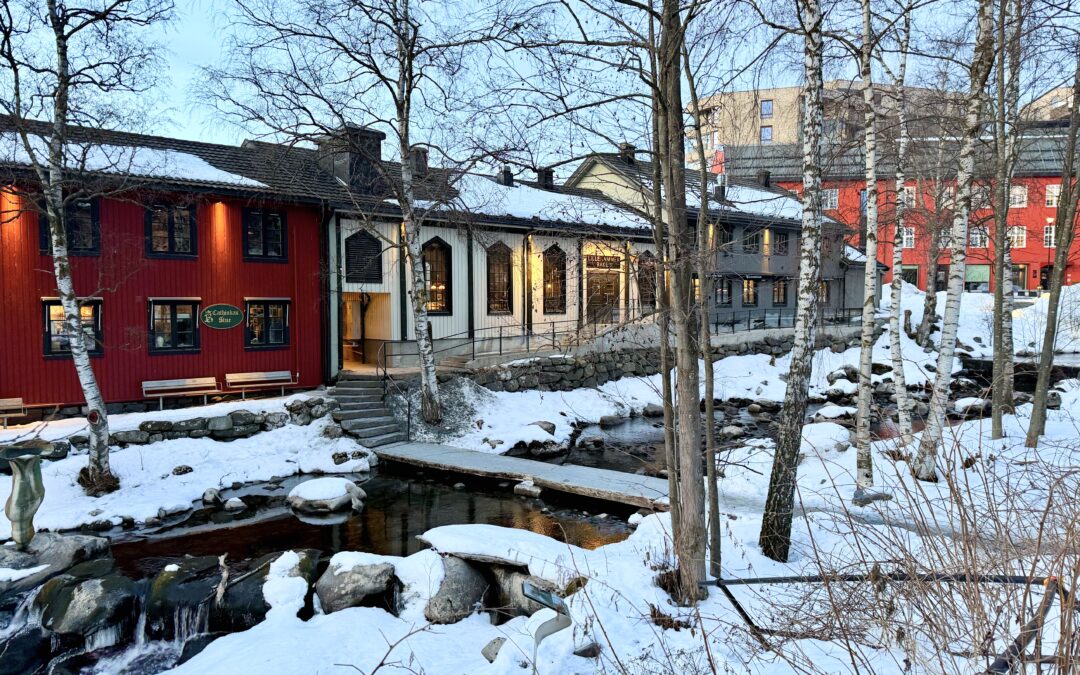
In the Land of Fjords – Discover Norway’s frozen beauty
“Only the one who wanders will find new paths” – Norwegian proverb
Norway in winter feels like the world has chosen silence on purpose. Norway is often called the land of fjords, and for good reason.
The cold doesn’t bite. It clarifies. Air turns sharp and honest, every breath a small awakening. Snow gathers softly on rooftops and pine branches, as if the land is being rewritten in white ink. Sound fades. Even your thoughts slow down, respectful of the quiet.
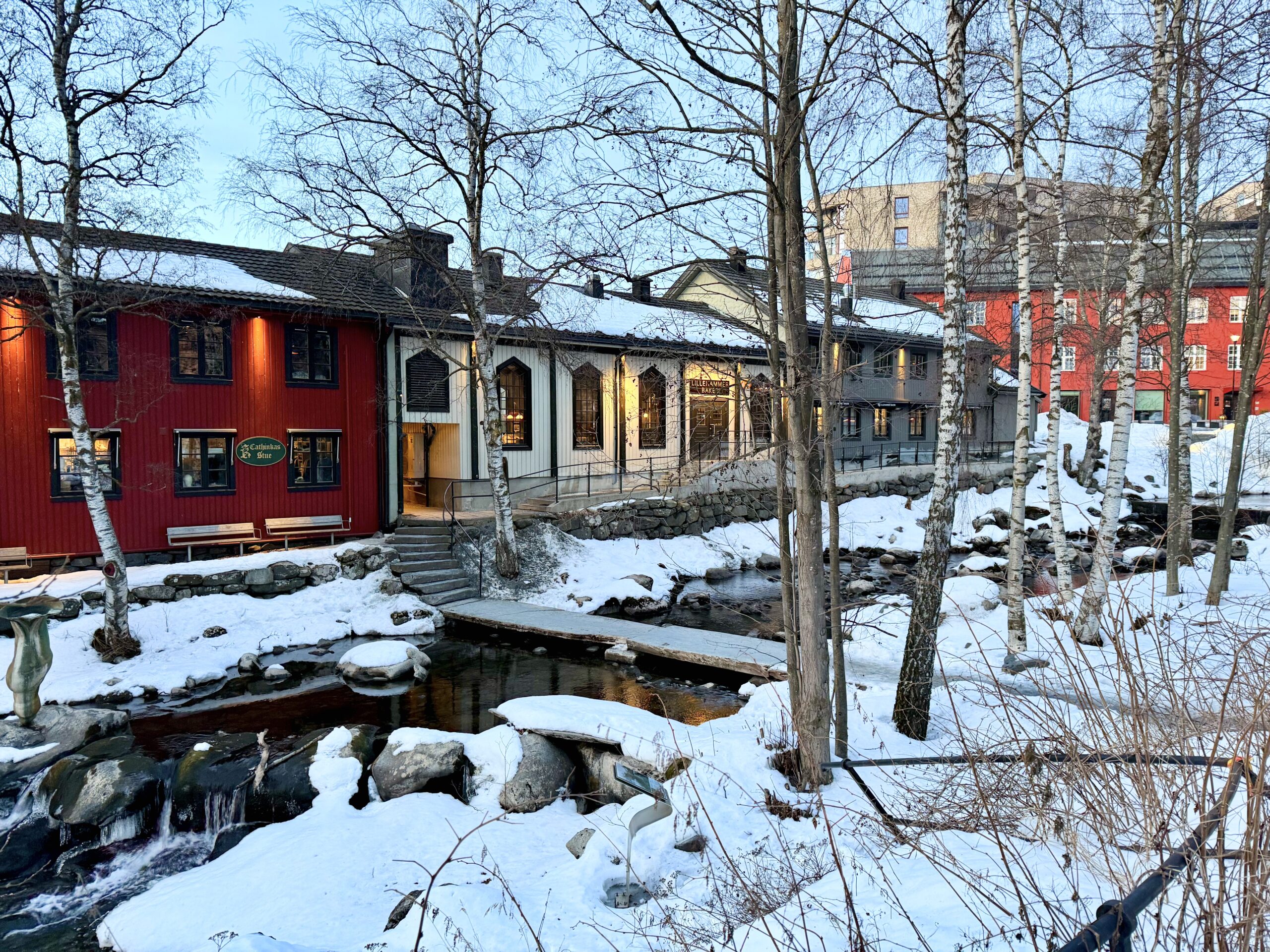
Villages glow rather than shine. One window is lit. Then another. Warmth becomes visible. You pass a red cabin half-buried in snow and imagine the hush inside: wool blankets, a kettle singing, boots drying by the door. Comfort feels earned here.
Norway doesn't ask you to conquer it, It asks you to listen
And if you do, you leave with something rare: a quiet that stays warm long after the cold lets go.
It was a cold February morning when I first set eyes on Norway’s frozen mountains, as our flight began its descent to Oslo-Torp Airport. Your first time in Norway deserves a little poetry. Not the flowery kind, but the kind written by wind, stone, and water.
In Norway, towns do not simply sit on the land. They seem to have grown out of it, as if the mountains whispered them into being.
Norway’s villages do not shout for attention. They glow. They endure. They feel like places where legends would feel at home, where the border between the ordinary and the enchanted is as thin as morning frost.
Norway is often called the land of fjords, and the title is well earned. A fjord is a long, deep, narrow stretch of sea that reaches far inland, carved by glaciers over thousands of years and later filled with saltwater. Norway has more than 1,000 of them, more than anywhere else on Earth, and many are considered among the most beautiful landscapes in the world.
Norway’s stunning fjords are some of the most beautiful natural wonders in the world. With their deep blue waters surrounded by towering cliffs and green valleys, the fjords capture the essence of Norway’s breathtaking landscape.
Fortunately, exploring these majestic sites is easier than ever, thanks to Norway’s excellent infrastructure.
Modern roads, efficient public transport, and well-organised tours make it simple for travellers to reach these remote areas and enjoy their beauty.
According to Drury (2026), travel guides have always played an essential role in helping people discover new places. This is especially true in Norway, where guides share not only routes but also stories that connect travellers to the culture and history of the land.
Definitions fall short the moment you arrive in Norway
A fjord is more than just a beautiful scene; it is an experience that reveals what Norway is all about. As Lee (2017) points out, the fjords reflect the country’s identity, melded with its culture and traditions.
When visiting places like Geirangerfjord or Nærøyfjord, travellers don’t just see stunning views; they take part in the story of Norway’s natural beauty, steeped in centuries of history. Each fjord has its own unique features, offering travellers a range of activities, such as kayaking, hiking, and even fishing.
These adventures provide a deeper understanding of the land and its people, showing how the rugged environment has shaped Norwegian life throughout generations.
In this way, the fjords serve as a bridge between visitors and the local culture. The warm hospitality of the Norwegian people enhances this experience, making it easy for travellers to connect with the community.
From small fishing villages to larger towns, each area brings its unique flavours and traditions to life. Sample local cuisine or participate in a cultural festival to fully immerse yourself in Norway’s rich heritage as you explore these iconic fjords.
For first-time travellers, it’s important to prepare for the many outdoor adventures that the fjords offer. The varying landscapes mean there’s something for everyone, whether you’re looking to take a leisurely boat ride or tackle challenging hikes.
Packing proper gear, understanding the weather patterns, and exploring the well-marked trails will make the experience enjoyable and safe. With the right preparation, the stunning fjords of Norway can truly become a journey of a lifetime, filled with memories of majestic views and cultural experiences that define this remarkable country. When exploring Norway’s fjords, two must-see destinations stand out: Geirangerfjord and Nærøyfjord.
Geirangerfjord, often praised for its breathtaking beauty, features lush green cliffs and stunning waterfalls, such as the famous Seven Sisters. A visit here offers visitors the chance to take a fjord cruise, allowing for close views of the striking scenery.
Lonely Planet highlights the Dalsnibba Summit as one of the best viewpoints, offering panoramic views of the fjord and surrounding mountains. As noted by Coopere, hiking to this viewpoint is a rewarding experience, perfect for those who enjoy the outdoors.
On the other hand, Nærøyfjord is known for its narrow, dramatic landscapes and is a UNESCO World Heritage site. The fjord is surrounded by steep mountains and cosy villages that add to its charm. According to the Lonely Planet guide, a kayak trip is one of the best ways to soak up the serene atmosphere and gain a unique perspective on the fjord.
Travellers can paddle quietly through the waters, watching for wildlife and taking in the stunning views. As noted in the feedback from Oklevik et al., booking these activities in advance is essential, especially during peak seasons when spots can fill up quickly.
When planning your visit to these fjords, it’s important to check for seasonal availability of tours and activities. Both Geirangerfjord and Nærøyfjord have peak tourist seasons during late spring and summer. Travellers recommend securing accommodation and tour bookings well in advance to avoid disappointment. Websites often offer discounts for early reservations, which can also help with budgeting.
Additionally, consider the best time of day for your visits. The light changes throughout the day can dramatically alter the appearance of the fjords, with morning light highlighting the waterfalls beautifully. Evenings can provide stunning sunsets that make for perfect photo opportunities. Feedback from travellers indicates that exploring during both dawn and dusk can provide some of the most memorable experiences.
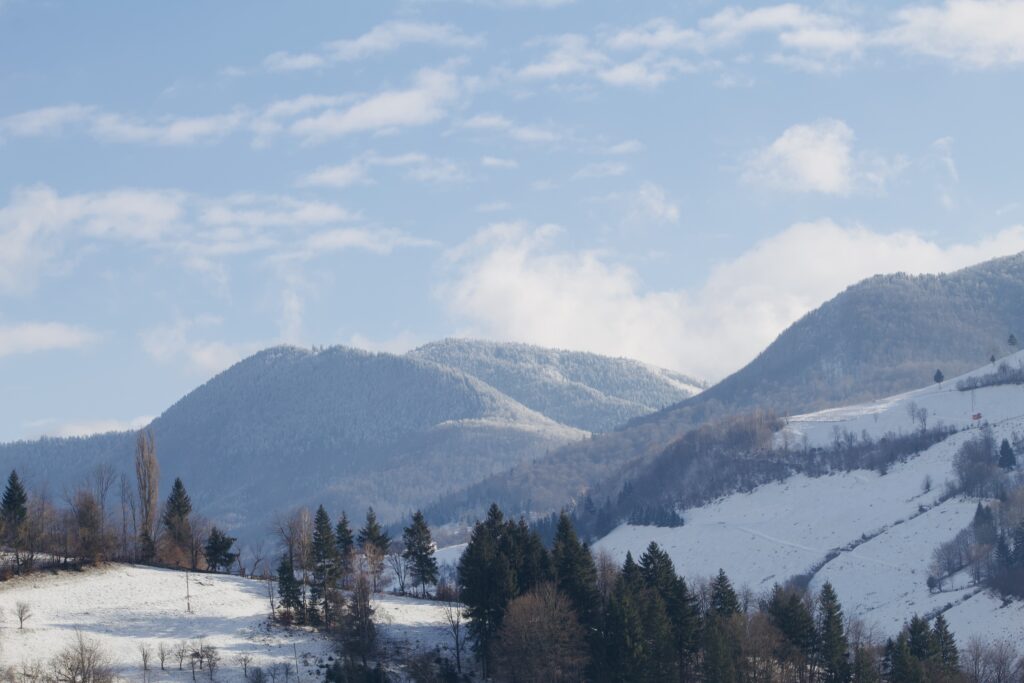
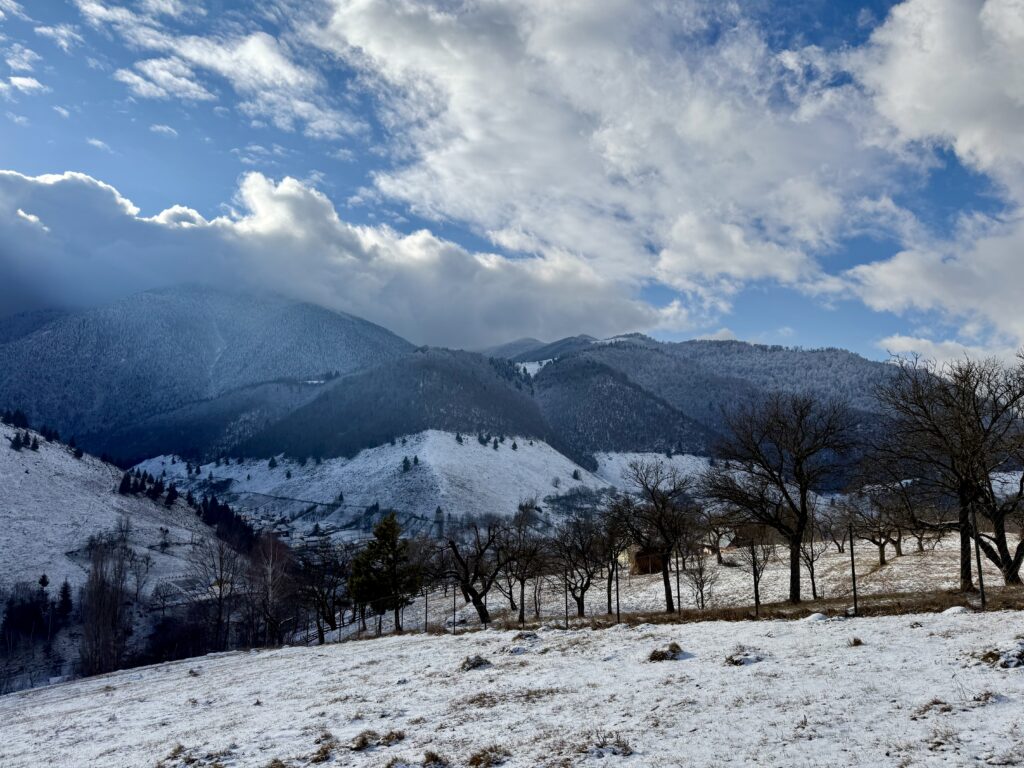
The air feels startlingly clean, as if the world has just exhaled. Mountains rise abruptly from the water, their slopes dusted with snow, their presence quiet but absolute. There is no rush here. Even the water seems to pause, lying still beneath towering cliffs, reflecting them with near-perfect clarity.
Travelling through Norway, you begin to notice a rhythm. Light moves differently, softer and more deliberate, lingering on ridgelines and slipping through narrow valleys. Waterfalls appear without warning, threading down rock faces in thin, silver lines. The silence is not empty but full, shaped by distance, weather, and time.
The fjords are the country’s defining experience
Whether seen from a winding mountain road, a ferry crossing still water, or a small village at the edge of the world, they create a sense of scale that is difficult to grasp. These landscapes were not built for spectacle, yet they overwhelm you all the same.
For first-time visitors, Norway offers more than scenery. It offers perspective. Standing at the edge of a fjord, surrounded by mountains that have stood for millennia, there is a quiet realisation that nothing here is trying to impress. It simply exists, vast and self-assured. And for a moment, you do the same.
Above it all, the sky finally breaks its composure. Green light spills across the dark like a secret being told too loudly. The northern lights don’t perform. They wander. They hesitate. They fade and return, reminding you that beauty doesn’t need permanence to be real.
Days are short, but they linger. Blue hour stretches endlessly, a soft indigo veil over mountains and ice. You learn to love twilight. To trust the dark. To understand that winter is not the absence, but the restraint.
Fjords freeze into dark mirrors, holding the mountains upside down. Ice drapes the cliffs in pale blue glass, frozen waterfalls paused mid-fall, gravity momentarily forgiven. The sea smokes in the distance, exhaling mist where warm water meets Arctic air, as if the earth itself were still alive beneath the frost.
Highlights of Norwegian Fjords
Geirangerfjord – UNESCO World Heritage Site, known for waterfalls like Seven Sisters.
Nærøyfjord – One of the narrowest fjords, with stunningly steep cliffs.
Sognefjord – The longest and deepest fjord in Norway (and the 2nd longest in the world).
Hardangerfjord – Famous for fruit orchards, glaciers, and the Trolltunga cliff.
Lysefjord – Home to iconic hikes like Preikestolen (Pulpit Rock) and Kjeragbolten.
Norway is a country that lives in extremes. Light and dark. Sea and stone. Past and present braided together like a rope pulled tight against the wind.
Northern Lights in Winter and midnight sun in summer
In winter, the sky over places like Tromsø turns into a cathedral ceiling of moving light.
The Aurora Borealis doesn’t arrive with a drumroll. It slips in quietly, a green ribbon unspooling across the dark. Snow reflects it. Mountains frame it.
You stand there, small and very awake, while the sky writes in neon cursive above you.
Then summer flips the script. Above the Arctic Circle, in places like Bodø or the Lofoten, the sun refuses to set. It hovers at the horizon like it forgot something.
Midnight feels like late afternoon. Hikes stretch into golden hours that never quite end. Time loosens. Sleep becomes optional. Life feels slightly enchanted.
Viking Heritage & Stave Churches
Norway’s past still breathes. In Oslo, the Viking Ship Museum houses ships that once cut through North Atlantic storms. Their wooden hulls curve like the bodies of resting beasts.
And scattered through valleys are stave churches, including the striking Borgund Stave Church. Dark timber towers rise like something grown rather than built, dragon heads carved into rooflines as if daring winter itself to try something.
Roads here are not shortcuts
they're experiences
The Atlantic Ocean Road leaps from island to island on a string of bridges that seem to defy the sea. Stormy day? Even better. The ocean throws itself dramatically against the edges.
Then there’s Trollstigen, a ribbon of hairpin bends climbing into the clouds. Waterfalls spill beside the road. You look down at the switchbacks you just conquered and laugh a little, half from awe, half from disbelief.
In Bergen, rain polishes the cobblestones until the city glows. Wooden houses lean toward each other like they’re sharing secrets. You ride a funicular up the mountain and realise the fjords don’t reveal themselves all at once. They make you earn the view.
On the train toward Flåm, civilisation quietly loosens its grip. Tunnels swallow the light, then release you into valleys stitched with waterfalls. Each one looks temporary, as if it might vanish the moment you stop watching.
You drift through a fjord on a boat that barely disturbs the surface. Cliffs rise straight from the water, impossibly close. Somewhere above, a waterfall falls without urgency. Time stretches. Your phone stays in your pocket longer than usual.
In the evening, the light refuses to leave. The sun lingers like a guest who doesn’t want to say goodbye. You eat simply: fish, bread, something warm. It tastes better because you’re tired in a good way.
Choosing the right activities while visiting these fjords is key to making the most out of your trip. Hiking trails such as the Skageflå Farm hike in the Geirangerfjord bring an important cultural insight, letting you experience firsthand the history of farming in this dramatic landscape.
Overall, the stunning beauty of Geirangerfjord and Nærøyfjord, along with careful planning and insight into the best activities, ensures a memorable journey through Norway’s frozen beauty.
Norway’s strong connection to nature is a vital part of the local culture
Understanding the local culture is key to fully enjoying the beauty of Norway’s fjords.
The richness of Norwegian traditions is evident in its cuisine, local customs, and etiquette, all of which contribute to what makes a trip special. For example, trying traditional dishes like “rakfisk” (fermented fish) or “klippfisk” (dried and salted fish) allows travellers to taste the country’s history and connect with the local people.
A book like Culture Smart by March et al. (2019) explains that sharing meals is a significant part of the Norwegian experience. Inviting you to a “smorgasbord” or having coffee with a local is a sign of friendship, and accepting such invitations offers a real taste of their warm hospitality.
Norwegians also value their personal space and privacy. It is considered polite to stand at a little distance during conversations, and people appreciate it when visitors respect this custom.
Knowing these cultural nuances can make interactions easier and more pleasant, leaving a lasting impression on both travellers and locals. Learning a few simple Norwegian phrases like “takk” for thank you can also go a long way in showing respect and willingness to engage with the culture.
The history of tourism in Norway is intriguing and has shaped the way travellers experience the fjords today.
In the 20th century, Norway started to gain attention for its breathtaking landscapes and unique natural features. According to Fojuth (2022), this marked the beginning of the country welcoming international tourists in larger numbers, leading to the development of infrastructure such as hotels and guided tours.
Today, this historical context means the tourism industry is well prepared for visitors. They offer many options, from organised tours to self-exploration, allowing travellers to discover the fjords in their own way.
Norway doesn't just offer sights
it offers moods
Many Norwegians are passionate about outdoor activities, whether it is hiking, fishing, or simply enjoying the stunning views. Joining a local hike or a kayak trip not only lets travellers see the breathtaking scenery but also connects them with the Norwegian love for their land.
Engaging in these activities allows for a better understanding of how the natural world shapes their identity.
In this frozen beauty, visitors will find that the fjords are not merely a destination; they are integral to the heart of Norway’s culture and lifestyle. When exploring Norway’s stunning fjords, outdoor activities are a must for first-time travellers.
Kayaking in the calm waters of the fjords offers a unique perspective of the towering cliffs and lush landscapes.
Gliding over the surface allows you to connect with nature in a special way, bringing you closer to the beauty around you. It’s also an opportunity to spot wildlife, from seals basking on rocks to seabirds soaring overhead.
Hiking is another incredible way to experience the fjords.
There are trails for all skill levels, from easy waterfront walks to challenging treks leading to breathtaking viewpoints, such as the famous Preikestolen (Pulpit Rock) or Trolltunga (Troll’s Tongue).
Each hike promises stunning views and a chance to immerse yourself in Norway’s diverse ecosystems. It’s essential to remember to pack proper gear and check the weather, as conditions can change rapidly.
Guided tours offer a great way to engage with the terrain and learn more about the local culture and wildlife. When choosing a tour, it’s important to find guides who prioritise ethical practices, as Omma (2024) highlights.
Responsible guiding not only protects the fragile environment but also enriches your experience. Cohane (2017) emphasises the significance of immersive experiences in nature. By connecting with knowledgeable guides, travellers can gain deeper insights into the fjords, enhancing their appreciation for this stunning landscape.
Norway doesn’t try to impress you
It assumes you’ll notice
Hiking days begin early. The path climbs. Your breath shortens. Then suddenly there’s nothing between you and the edge of the world. A lake far below, smooth as glass. You feel small, but not unimportant. Just correctly sized.
When you leave, you carry more quiet than souvenirs. You start missing it before the plane even takes off. Not the places exactly, but the feeling that the land wasn’t built for you, yet welcomed you anyway.
And that’s what makes a first-time stay in Norway with you.
It doesn’t shout. It settles.
Winter gives you cosmic fire in a frozen sky.
Summer gives you endless gold.
The past gives you carved wood and salt-soaked stories.
And the roads invite you to chase it all.
If you had to choose, would you lean toward the luminous winter or the sleepless summer?
As you consider these outdoor activities, reflect on the transformative impact that visiting Norway’s frozen beauty can have on you. It’s more than just a trip; it’s an adventure that can change your perspective on nature and conservation.
I encourage travellers to embrace this journey responsibly, appreciating the environment while minimising their footprint. Norway’s fjords are waiting to be explored, and with mindful choices, you can enjoy the adventure while preserving their beauty for future generations.

Copyright © 2026 Self Sophisticated. All rights reserved



![Watch the sunset in Santorini [ A comprehensive guide for your first visit ]](https://selfsoph.com/wp-content/uploads/2024/04/Imerovigli-Santorini.jpg)
![V is for VENICE [Your Ultimate Guide To The City Of Canals]](https://selfsoph.com/wp-content/uploads/2024/04/Venice-murano-1-scaled.jpeg)

![One hundred time-tested books [How many have you read?]](https://selfsoph.com/wp-content/uploads/2024/08/classic-book-1080x675.jpeg)

![One hundred time-tested books [How many have you read?]](https://selfsoph.com/wp-content/uploads/2024/08/classic-book-scaled.jpeg)