The most important lessons I learned from travelling
Travel doesn’t just stamp your passport; it quietly rewires how you see the world. The lessons sneak in between missed trains, late-night conversations, and streets you couldn’t find again if you tried. Here are some that tend to linger long after the suitcase is unpacked.
The World refuses to fit inside your assumptions. It leaks past headlines and stereotypes, turning certainty into a draft you keep revising.
It teaches patience in queues that move by vibes rather than clocks, and humility when you realise pointing and smiling is a perfectly functional language. You learn that confusion is not a failure state; it’s a classroom.
You discover how little you actually need. A charged phone, a place to sleep, something warm and edible, a direction that’s “roughly that way.” Everything else turns out to be decorative.
Travelling teaches you to read people quickly. Who is kind, who is tired, who is selling you a story with a souvenir attached? It sharpens intuition like a pocketknife.
It teaches scale. Your problems shrink when you stand next to mountains older than your country, and your joys expand when shared with strangers you will never see again but will somehow remember forever.
Here’s what travelling teaches you
- I’ve learnt that family comes first, no matter what, but it’s essential to cut the umbilical cord early, which benefits both parents and children.
- I’ve learnt that home is not a place but a state of mind.
- I’ve learnt that we only become grateful when encountering those less fortunate.
- I’ve learned to practice gratitude daily.
- I’ve learnt that we live in a fantastic world and often forget to take good care of it.
- I’ve learnt that politics, religion, and material status don’t mean much to me.
- I’ve learned how unique and special each one of us is.
- I’ve learnt to listen to people’s stories.
- I’ve learnt never to judge by appearances
- I’ve learnt that you can fall in love with a place or a feeling
- I’ve learnt what heartbreak is.
- I’ve learnt what real friendship is, but I’ve also learnt what losing friends means.
- I’ve learnt how insignificant I am.
- I’ve learnt what it means to make sacrifices.
- I’ve learnt that you create your own happiness; no one else is responsible.
- I’ve learnt that confidence is a game-changer but can only come from within.
- I’ve learnt that designer things are not for me.
- I’ve learnt the meaning of being different.
- I’ve learnt that things happen for a reason.
- I’ve learnt that each person you meet can teach you something.
- I’ve learnt that risks are a part of life.
- I’ve learnt to live in the moment.
- I’ve learnt to trust my feelings and intuition.
- I’ve learnt that no one is interested in your travel stories, which makes your adventures feel so personal.
- I’ve learnt what trust means.
- I’ve learnt that kindness is an international language that doesn’t require translation.
- I’ve learnt how important it is to take chances.
- I’ve learnt that the best experiences are outside of my comfort zone.
- I’ve learnt that travel educates you in a way no school or book ever can.
- I’ve learnt that not everything I’ve seen and photographed while travelling should be posted online; I’m talking about slum tourism.
- I’ve learnt how important it is to be in the right place at the right time.
- I’ve genuinely learnt not to sweat over small stuff.
- I’ve learnt that “Everyone is an alien somewhere.” You’ll be the alien occasionally, and that’s okay.
- I’ve learnt that saying goodbye never gets easier.
- I’ve learned that money cannot buy happiness, but it pays for moments and experiences, and that’s pretty much the same thing.
Travel doesn’t announce what it’s doing to you
It begins simply, as movement. A change of scenery. New streets that don’t know your name. You arrive with a plan, a map, a sense that you are going somewhere.
But somewhere along the way, the direction blurs.
You start collecting fragments. A conversation held together by gestures. The hum of a language you almost understand. A wrong turn that becomes the story you tell most often. The plan loosens its grip, and what replaces it feels less certain, but more alive.
You learn how easily structure dissolves. How time slips its usual shape. An afternoon stretches wide enough to hold a lifetime. A moment lingers longer than it should, as if it knows you’re paying attention now.
You carry less. Not just in your bag, but in yourself. The unnecessary falls away quietly, until you’re left with something lighter, something closer to who you are when nothing extra is required.
Strangers become less strange. There’s a recognition that moves beneath language. A shared rhythm. A kindness that appears without reason and stays with you longer than expected.
And then, without warning, something shifts inward.
The edges you once called your comfort zone begin to blur. You become someone who can arrive without knowing, who can stand in uncertainty and still move forward. Not fearless, but willing.
The world grows wider, but also softer. The idea that there is one right way to live begins to loosen. Everything you thought was fixed reveals itself as just one version among many.
And in that widening, a question begins to echo.
What does it mean to belong anywhere?
You start to suspect you never fully learned the answer. The travelling bug doesn’t leave you. It settles somewhere deeper, quieter. Not restless, just present.
Because home, you realise, is not a fixed point. It stretches.
It follows you in small, persistent ways. In your accent, in your cravings, in the instinct to measure unfamiliar things against something half-remembered. The taste of bread that never quite matches the one you grew up with.
Home becomes something you carry rather than somewhere you return to.
And still, you do return.
There is no ceremony. No visible shift. The same streets wait for you, unchanged. The same doors, the same rhythms, the same unnoticed corners of your everyday life. But you are not the same. You move through it all with a quiet awareness, as if a second layer has been laid over everything. You notice what you once missed. You pause where you once passed through.
Nothing announces your change. And yet, it is everywhere.
That might be the quietest lesson of all.
Travel doesn’t just show you the world.
It rewrites the way you belong to it.
Travel doesn’t give answers, it edits the questions
-
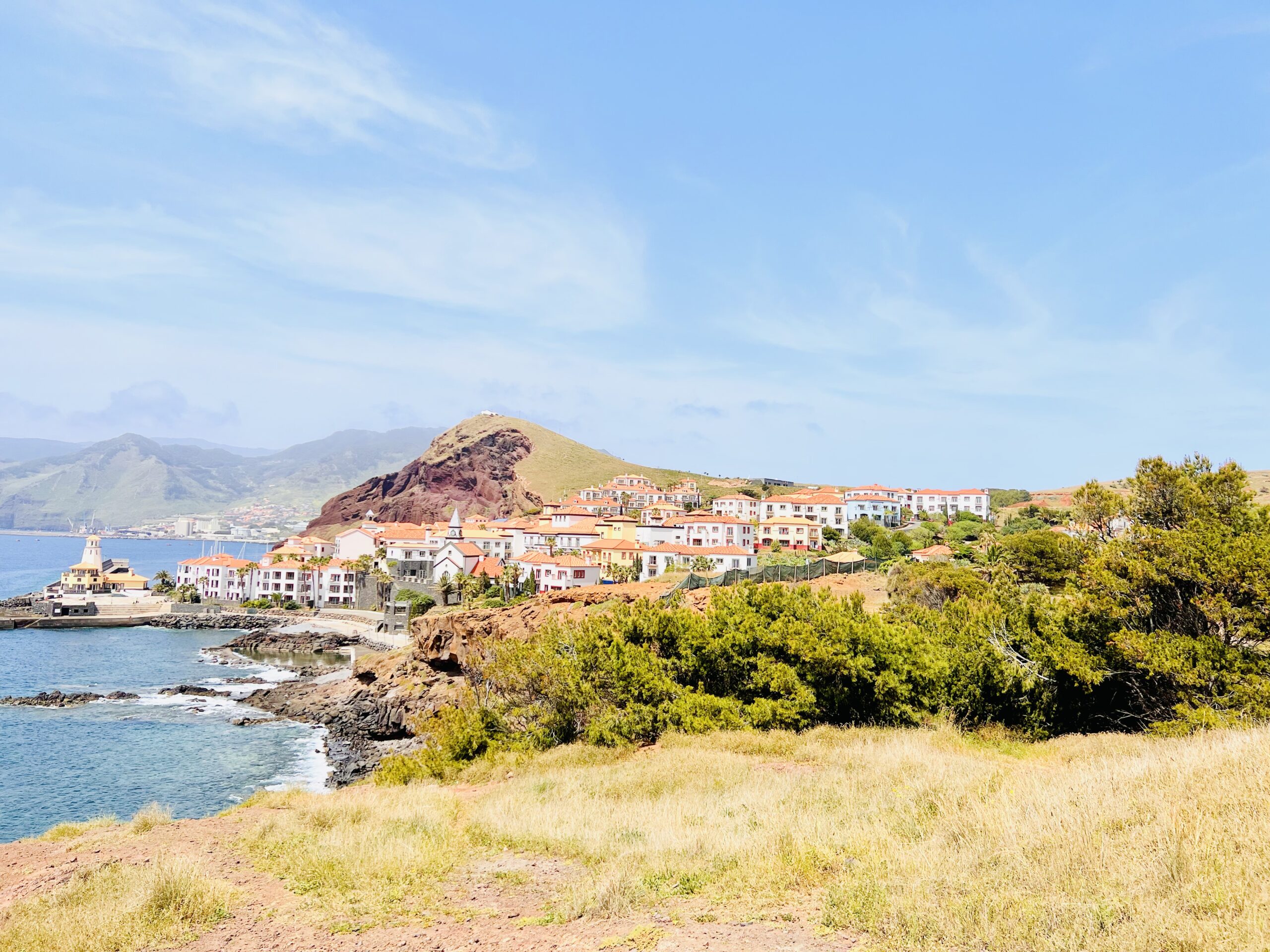
Madeira: The Extraordinary Island You Need to Explore
Discover the extraordinary islands of Madeira, rich in culture, history and natural beauty. Explore enchanting villages, dramatic landscapes and unforgettable…
by
-
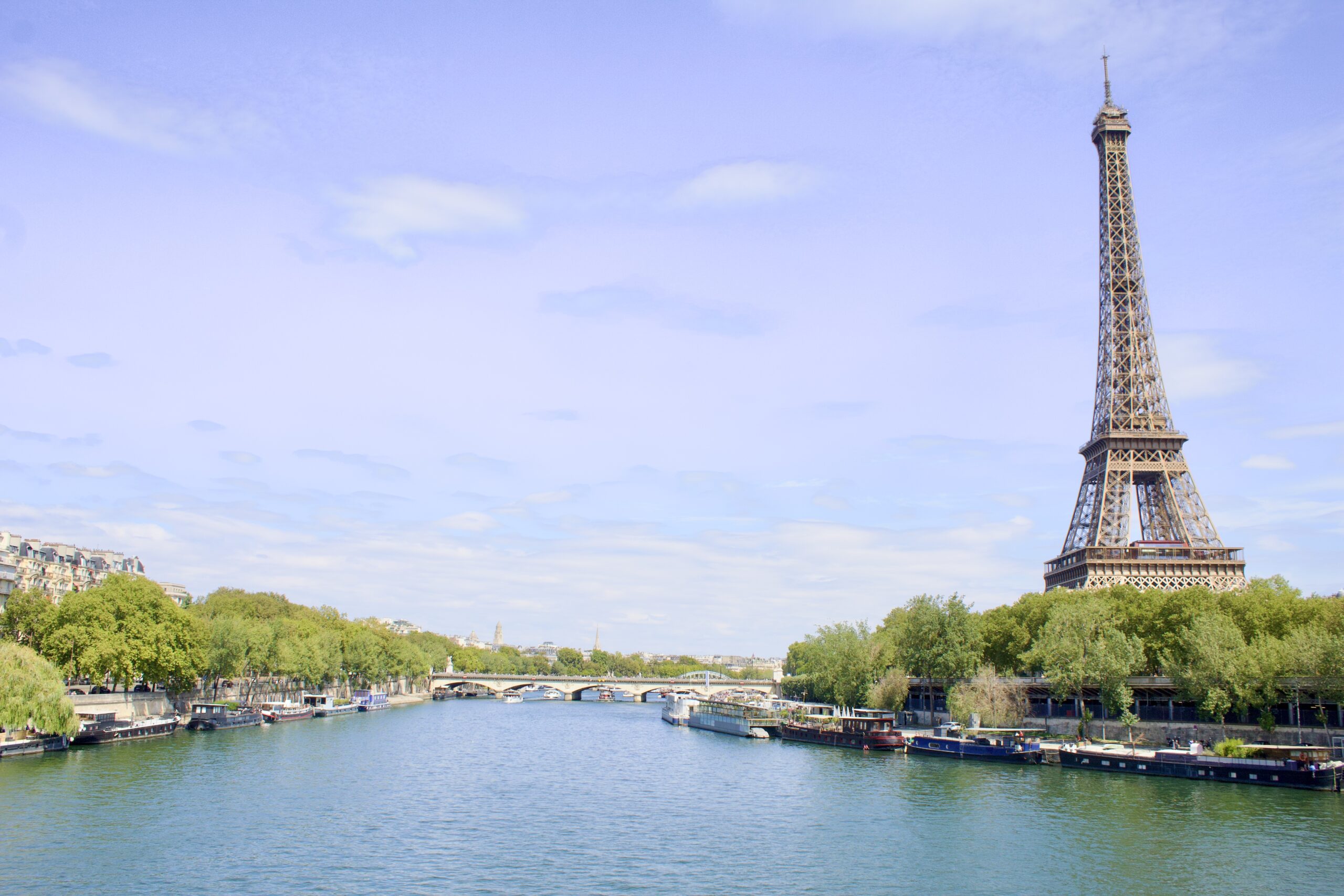
The city of lights – What makes Paris notoriously famous?
Paris is so much more than just a capital city. Paris is a feeling, a state of mind, a symbol,…
by
-
The Best Reasons Why You Should Consider Minimalism
Embracing Minimalism: A Pathway to Personal Well-Being, Environmental Sustainability, and Financial Freedom In recent years, many people have started to…
by
-
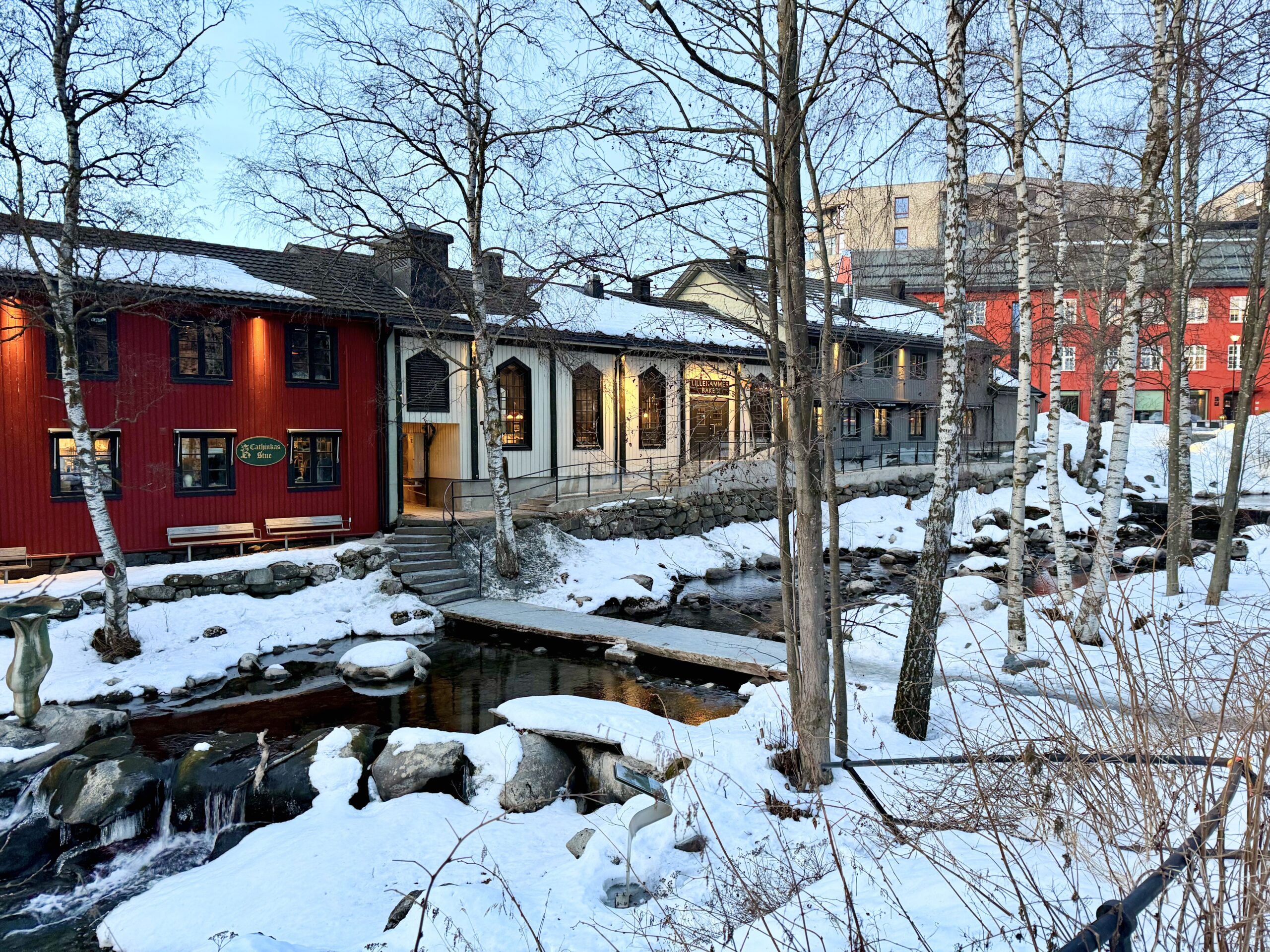
In the Land of Fjords – Discover Norway’s frozen beauty
“Only the one who wanders will find new paths” – Norwegian proverb Norway in winter feels like the world has chosen silence on purpose. Norway is often called the land of fjords, and for good reason. The cold doesn’t bite. It clarifies. Air turns sharp and honest, every breath a small awakening. Snow gathers softly […]
by
-
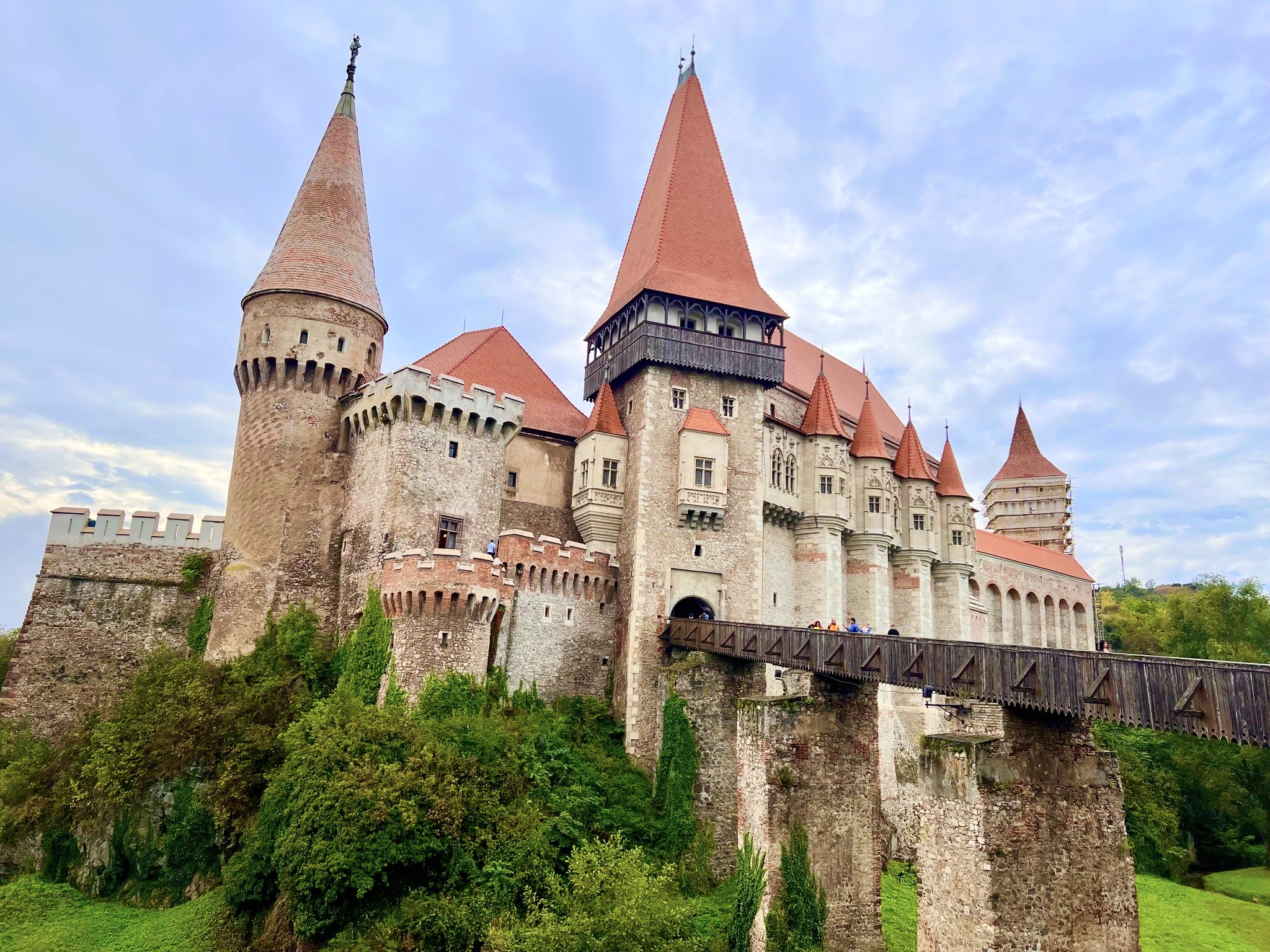
Dracula – how an english writer made Transylvania famous
Explore the legend of Dracula, the famous vampire of Transylvania, and uncover the secrets behind this iconic character
by
-

One hundred time-tested books [How many have you read?]
Discover timeless wisdom with our collection of time-tested books. Dive into classic literature and explore the profound insights they offer.
by
-
The most important lessons I learned from travelling
Travel doesn’t just stamp your passport; it quietly rewires how you see the world. The lessons sneak in between missed…
by
-
-

Watch the sunset in Santorini [ A comprehensive guide for your first visit ]
Santorini is one of the Cyclades islands in the Aegean Sea. It was devastated by a volcanic eruption in the…
by