Explore the captivating and often overlooked stories of the remarkable women who stood in the shadow of genius.
The concept of ‘genius’ has long fascinated and been debated.
Historically, individuals with exceptional intellect and talent have been revered and celebrated. But what about the women who have stood beside these geniuses, supporting and inspiring them? Their contributions often go unnoticed and unacknowledged, leaving them to live in the shadow of their male counterparts.
Women in the Shadow of a Genius
The historical context of genius is essential to appreciating women’s experiences in this dynamic. The concept of genius, defined as an exceptional intellectual or creative ability, has evolved over time.
In ancient times, the term ‘genius’ was associated with divine inspiration. Geniuses were believed to be chosen by the gods and blessed with extraordinary gifts. However, this view was highly gendered, excluding women from the realm of genius.
During the Renaissance, a new understanding of genius emerged, emphasising the importance of individual talent. This period marked a shift towards recognising genius based on personal achievements and not solely on divine intervention. Yet, even in this new paradigm, women were often denied the opportunity to develop their talents and pursue intellectual pursuits.
Despite the challenges women faced throughout history in being acknowledged for their genius, there were notable exceptions that defied societal norms.
Women like Hypatia of Alexandria, a renowned mathematician and philosopher in ancient Greece, and Emilie du Châtelet, a prominent physicist and mathematician in the 18th century, broke barriers and made significant contributions to their respective fields.
The Modern Interpretation of Genius
In the modern era, the concept of genius has become more inclusive. Breaking down the traditional barriers restricting women’s participation in intellectual fields. However, societal biases and gender inequality still persist, making it challenging for women to embrace their genius potential fully.
Efforts to promote gender equality and celebrate the genius of women have gained momentum in recent years.
Initiatives like the Nobel Prize in Physics, awarded to Donna Strickland in 2018, making her the third woman to receive the prize, highlight the progress being made in recognising and supporting women’s contributions to the world of science and academia.
Although overshadowed, women have played crucial roles in the lives of geniuses throughout history.
Exploring the dynamic relationship between women and geniuses further reveals a multifaceted connection that goes beyond mere support and inspiration. Women have often been the unsung heroes, silently contributing to the success and brilliance of the geniuses they are associated with.
Women have often provided vital support and encouragement for the genius in their lives. Whether it be a spouse, sister, or mother, they have been the pillars of strength, offering a safe haven for the genius to explore their ideas and passions.
In moments of doubt and uncertainty, a woman’s unwavering support has proven to be a guiding light for many geniuses. Their nurturing presence has allowed geniuses to push the boundaries of their creativity and intellect, knowing they have a steadfast ally by their side.
The Inspirational Role
Beyond providing support, women have also served as the catalysts for inspiration. Countless geniuses have found inspiration in the intelligence, creativity, and resilience of the women around them.
From the muses of the Ancient Greek poets to the intellectual salons of the 18th century, women have sparked the imaginations of geniuses, influencing and enriching their work.
Moreover, women’s influence on geniuses extends beyond the realm of creativity. Women have often been the voice of reason, challenging geniuses to think differently and consider alternative perspectives. Their unique insights and perspectives have shaped how geniuses approach their work, leading to groundbreaking innovations and revolutionary ideas.
Unfortunately, the immense contributions of women to the world of genius often remain hidden and underappreciated.
Women as Unsung Heroes
Throughout history, countless examples of women have acted as unsung heroes, making significant contributions to the work of geniuses without proper recognition. These women have sacrificed their own ambitions and aspirations to support the genius they loved.
One example is Mileva Marić, the first wife of renowned physicist Albert Einstein. Despite her own mathematical talents and contributions to Einstein’s work, Marić’s efforts were largely overshadowed by her husband’s fame. She collaborated with Einstein on his early theories and research, yet her name is often omitted from the narrative of his groundbreaking discoveries.
The Hidden Talents and Achievements
Additionally, many women geniuses have faced barriers that obstruct their recognition in intellectual fields. Until relatively recently, women were denied access to education and institutional support, preventing them from fully developing their talents and sharing their achievements with the world.
Take, for instance, Ada Lovelace, a mathematician and writer known for her work on Charles Babbage’s early mechanical general-purpose computer, the Analytical Engine. Lovelace’s visionary insights into the Analytical Engine’s potential laid the foundation for modern computer programming. However, her contributions were largely overlooked during her lifetime due to societal norms that limited women’s roles in science and technology.
The Impact of Living in the Shadow
Living in the shadow of a genius has far-reaching implications for women. It is a complex and multifaceted experience that can profoundly shape their lives.
Women who find themselves in the shadow of a genius often face many challenges that can impact their mental and emotional well-being. The constant comparison and overshadowing can take a toll on a woman’s self-confidence and sense of self-worth. Despite their remarkable abilities, they may feel overlooked and undervalued, struggling to assert their identity in the face of someone else’s brilliance.
Moreover, the pressure to support and uplift the genius in their lives can be overwhelming and exhausting, often leaving little room for their own personal growth and pursuits. The emotional labour of constantly being in the background, catering to the needs and demands of the genius, can be draining and isolating, leading to feelings of frustration and unfulfillment.
The psychological effects of living in the shadow of a genius are profound and long-lasting. Women in this position may grapple with feelings of inadequacy and imposter syndrome, questioning their abilities and worth compared to the genius they are associated with. The constant pressure to measure up to an unattainable standard can lead to anxiety, depression, and a sense of perpetual dissatisfaction.
Society’s ingrained belief that geniuses are predominantly male perpetuates gender inequalities in intellectual fields. The lack of recognition for women’s contributions reinforces the notion that women are subordinate, reinforcing gender stereotypes and limiting opportunities for female intellect. This systemic bias not only hinders the progress of individual women but also perpetuates a cycle of exclusion and marginalisation in intellectual circles.
The Fight for Recognition and Equality
A growing movement is advocating for acknowledgement and equality in recognition of the imbalances and injustices faced by women in the realm of genius.
Women are resisting the erasure of their contributions, demanding recognition for their invaluable role in the lives of geniuses and society as a whole. Through research, activism, and storytelling, they are shining a light on the hidden histories of women in the shadow of geniuses.
The Push for Gender Equality in Intellectual Fields
Beyond recognition, systemic gender biases continue to hinder women’s progress in intellectual fields. Efforts must be made to create inclusive environments that support and empower women to develop their talents, pursue intellectual exploration, and contribute their unique perspectives to the world of genius.
As women continue to fight for recognition and equality in the realm of genius, it is crucial also to highlight the intersectionality of these struggles. Women of colour, LGBTQ+ women, and women with disabilities face additional barriers and discrimination that compound the challenges they already encounter in intellectual spaces. Recognising and addressing these intersecting forms of oppression is essential in creating a more equitable and inclusive environment for all women pursuing intellectual endeavours.
Furthermore, the fight for recognition and equality extends beyond academia and intellectual fields. It permeates all aspects of society, from the workplace to the media to everyday interactions. By amplifying women’s voices and advocating for their equal representation and treatment in all areas of life, we can work towards a more just and equitable world for everyone.
In conclusion, the untold stories of women in the shadow of a genius highlight the urgent need for recognition and equal opportunities. By acknowledging and celebrating the contributions of these remarkable women, we not only honour their legacies but also ensure a more inclusive and diverse future for the realm of genius.
female heroine
Madame Curie
Zelda Fitzgerald – Scott Fitzgerald
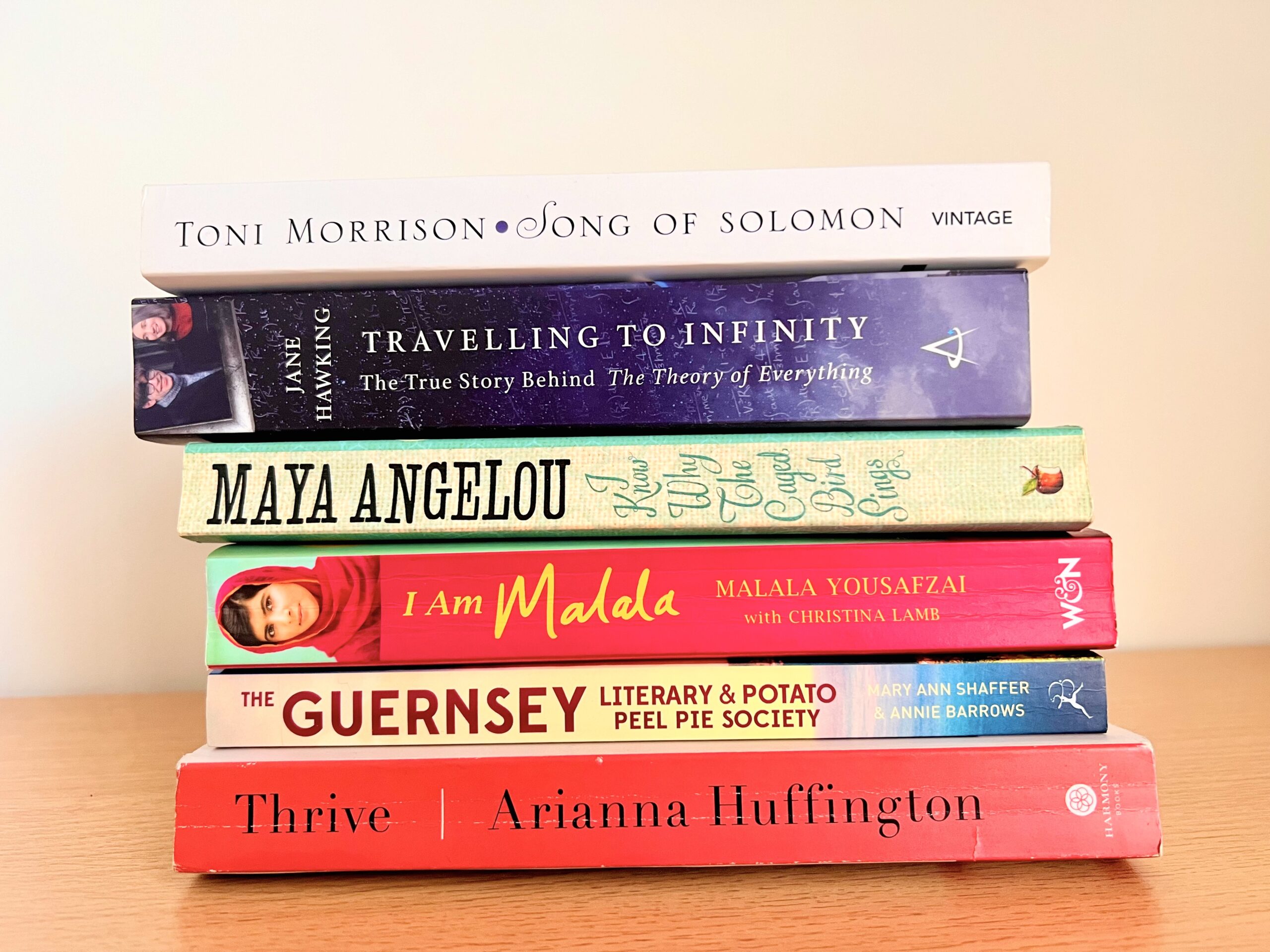
Jane Hawking
Mileva Marvic
Dora Maar
Françoise Gilot
Emilie du Châtelet
Toni Morrison
Maya Angelou
Hypatia of Alexandria
Donna Strickland
Simone de Beauvoir
Alexandra the tsarina